

Hydration Lab: Water Wellness & Tech

Evaluating the Effectiveness of Maifan Stone in Mineral Filters
Maifan stone is a popular addition to mineral filters. This guide evaluates its effectiveness for remineralization, pH balancing, and removing trace heavy metals.
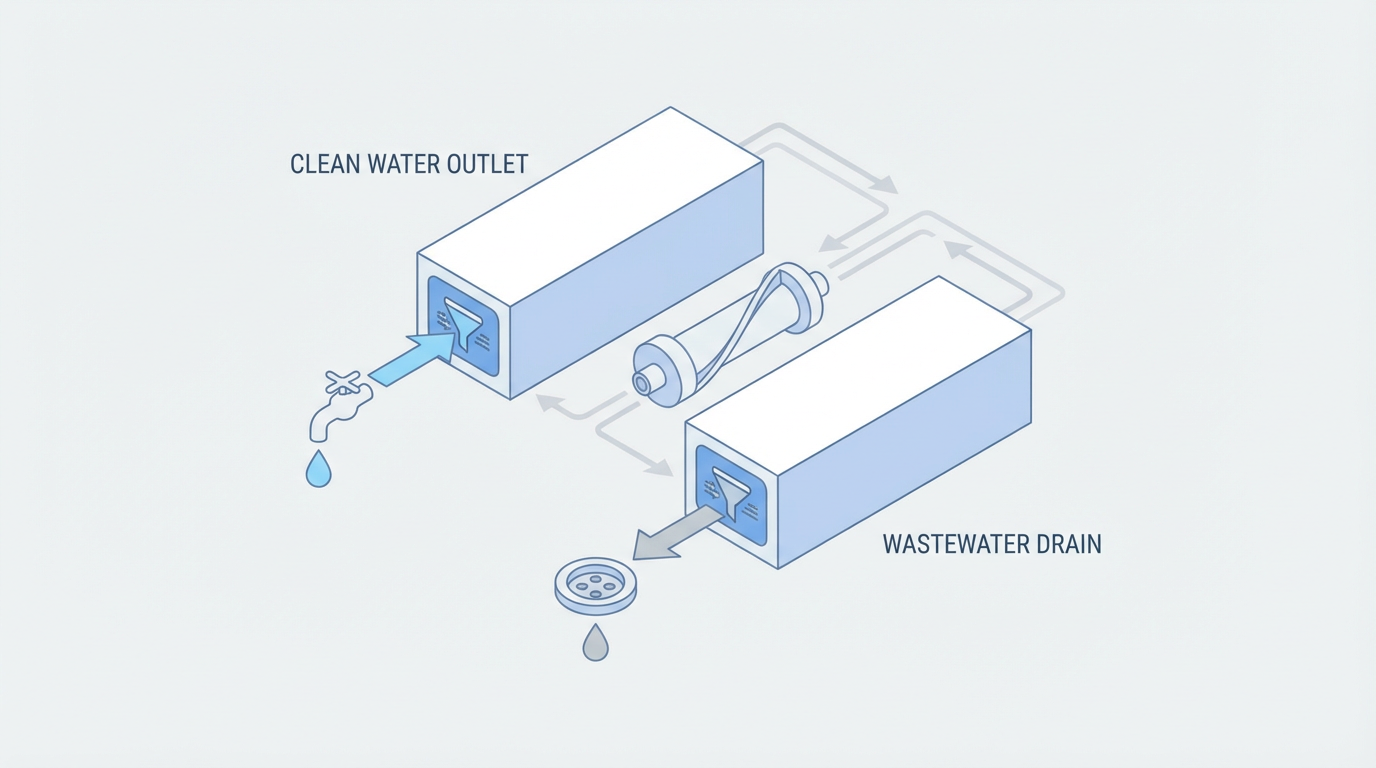
Understanding the 1:1 Wastewater Ratio of Water-Saving RO Systems
A 1:1 wastewater ratio in RO systems sounds efficient, but is it? Get the facts on how this spec impacts membrane life, water quality, and system performance.

Achieving IP67 Waterproof Rating for Touchscreen Displays
An IP67 rating for touchscreen displays ensures robust waterproofing for devices in wet environments. This guide provides design strategies, sealing techniques, and testing methods.
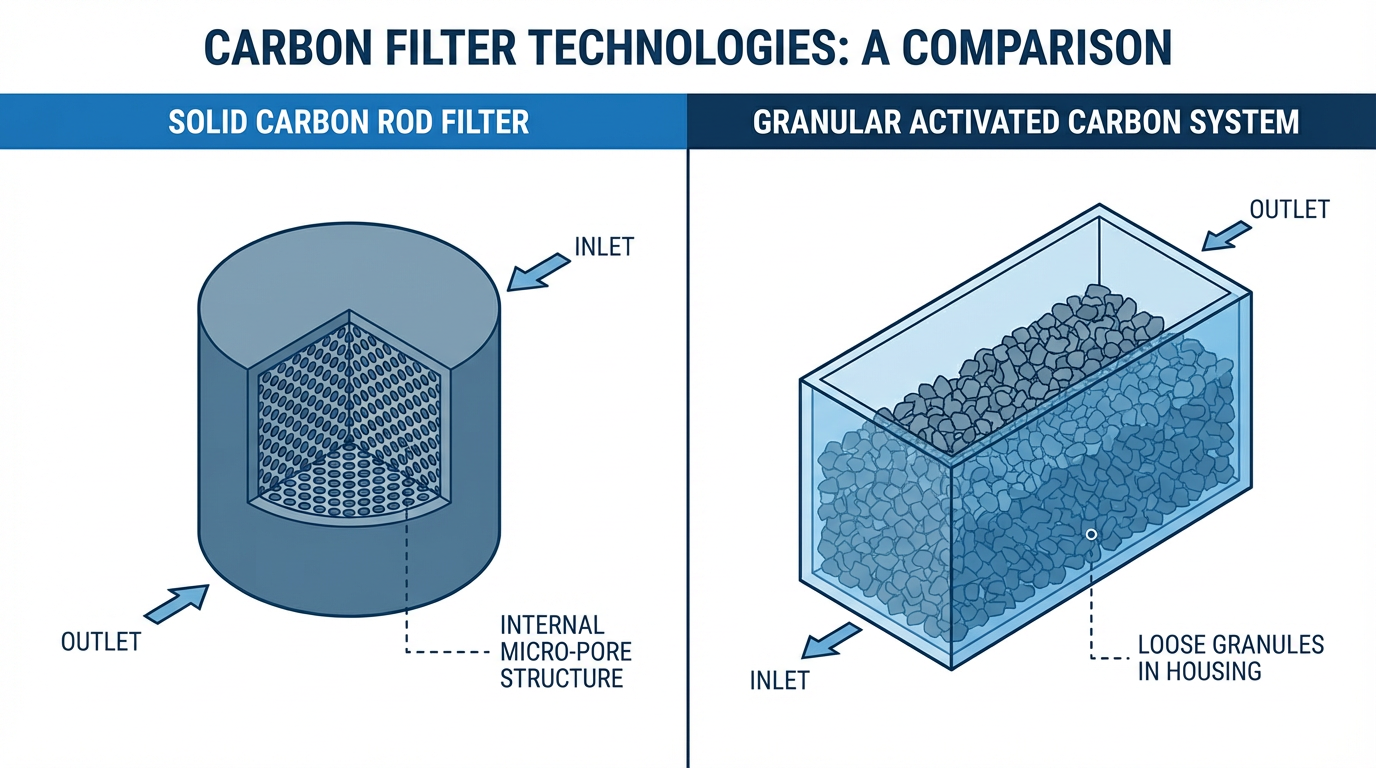
Carbon Rod vs Granular Activated Carbon: Which Is More Efficient For Healthy Home Water?
Carbon rod vs granular activated carbon is a critical choice for your home water filter. This guide compares GAC and solid carbon rod efficiency for removing contaminants and improving water quality.
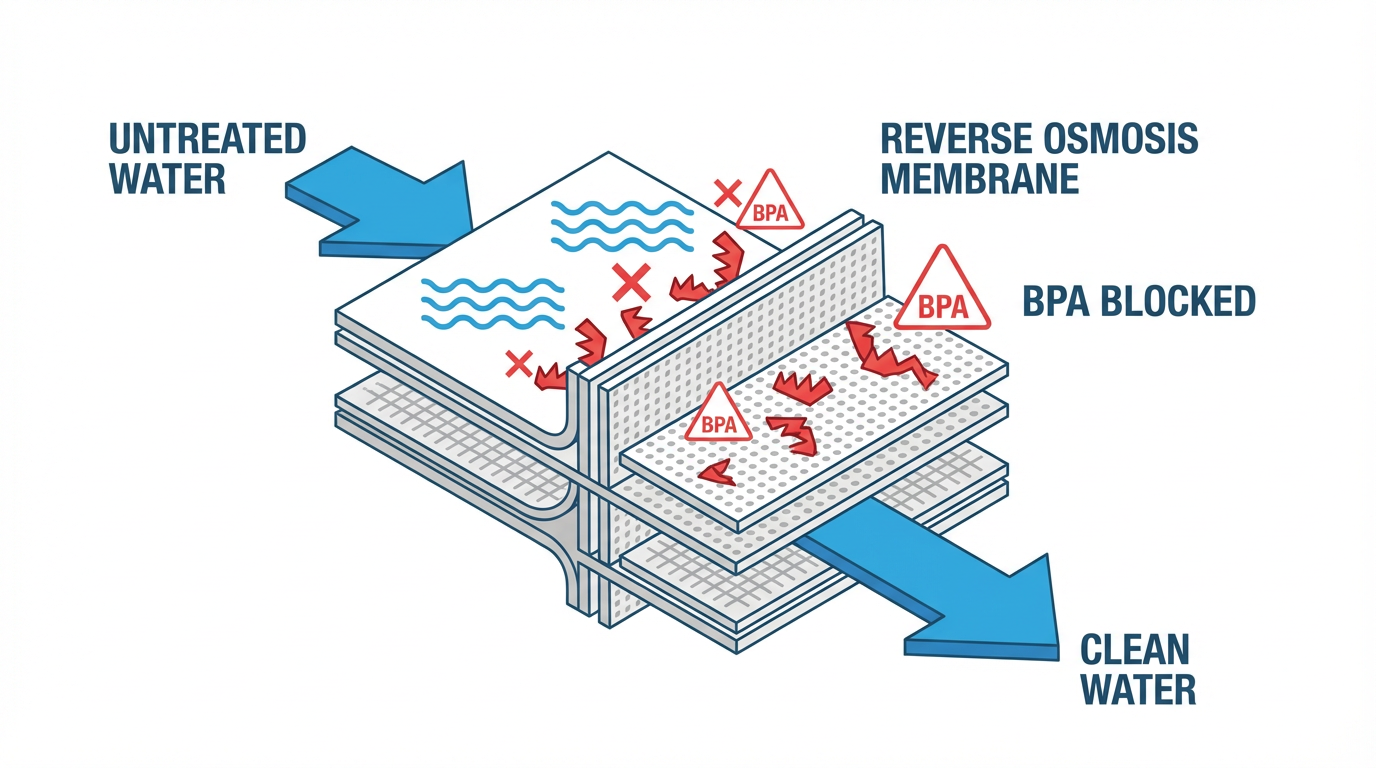
Understanding BPA Regulations and Their Impact on RO Accessories
BPA regulations for RO accessories are getting stricter, especially in Europe. Get details on the health risks and how new rules impact system membranes, tanks, and dispensers.

How Low-Pressure RO Membranes Really Work at 0.1 MPa (≈15 psi)
Low-pressure RO membranes work at just 0.1 MPa (≈15 psi). Get high contaminant removal with slower water production. Success requires low-TDS water and smart system design.

Understanding the Importance of Flow Sensors in Smart Reverse Osmosis Systems
Flow sensors in reverse osmosis systems are vital for performance. These key components protect membranes, ensure consistent water quality, and help detect leaks early.
Optimizing Double Reverse Osmosis Systems for Enhanced Water Production
Double reverse osmosis systems offer ultra-clean water but require careful tuning. This guide shows you how to boost water production safely without fouling membranes.
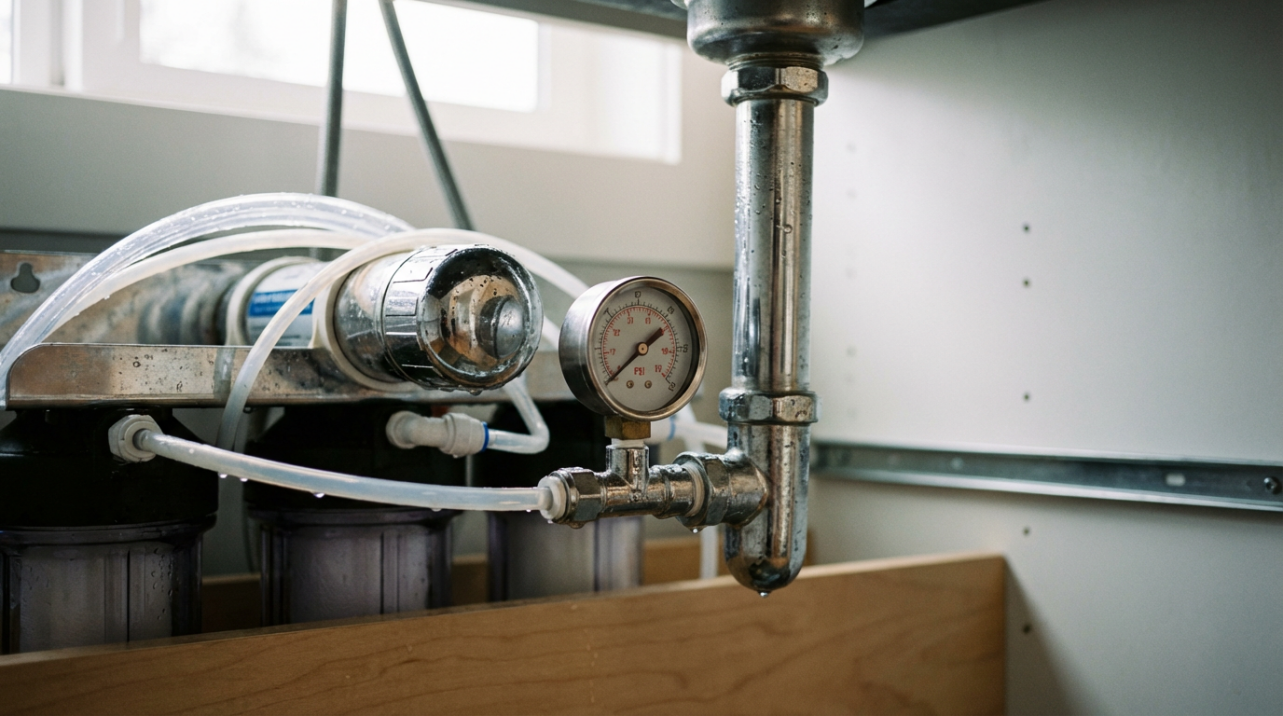
Understanding When and Why to Boost RO Pressure Toward 0.6 MPa (About 87 PSI)
Your RO pressure determines water purity and flow rate. See why boosting to 0.6 MPa (87 PSI) solves issues like slow output and high TDS for better, faster filtration.