What's Really in Your Tap Water?
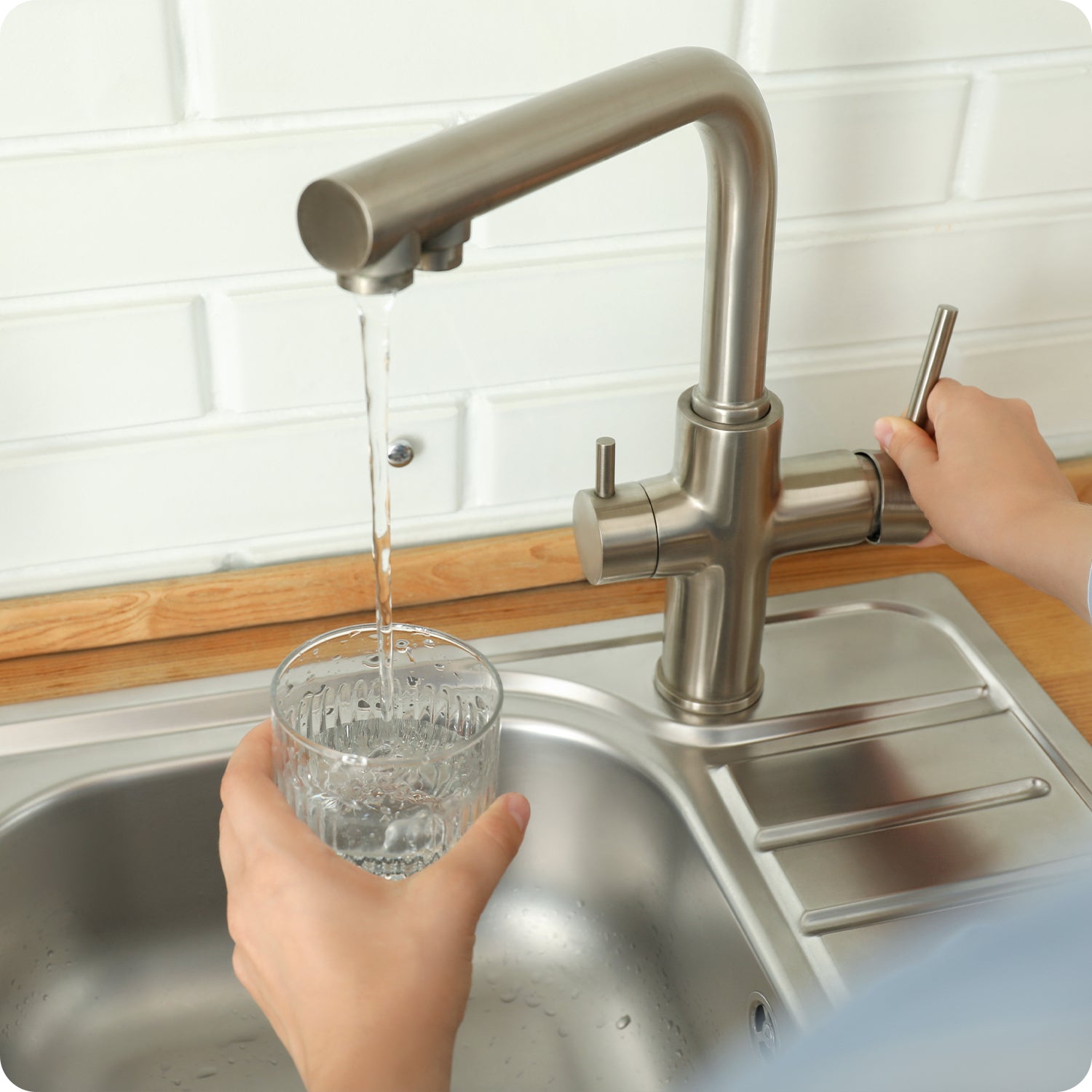
Tap Water Isn't Always as Clean as It Looks
More than 95% of tested U.S. water systems were found to contain at least one harmful contaminant linked to potential health concerns.
In some cases, federal limits for tap water contaminants remain significantly higher than levels recommended by independent health researchers.

Yesterday's Infrastructure, Today's Water Concerns.
Much of the U.S. water infrastructure still relies on aging systems originally built decades ago — long before today's understanding of water contaminants and long-term health impacts.
Modernizing these systems is expected to take decades and require more than $1 trillion in investment.
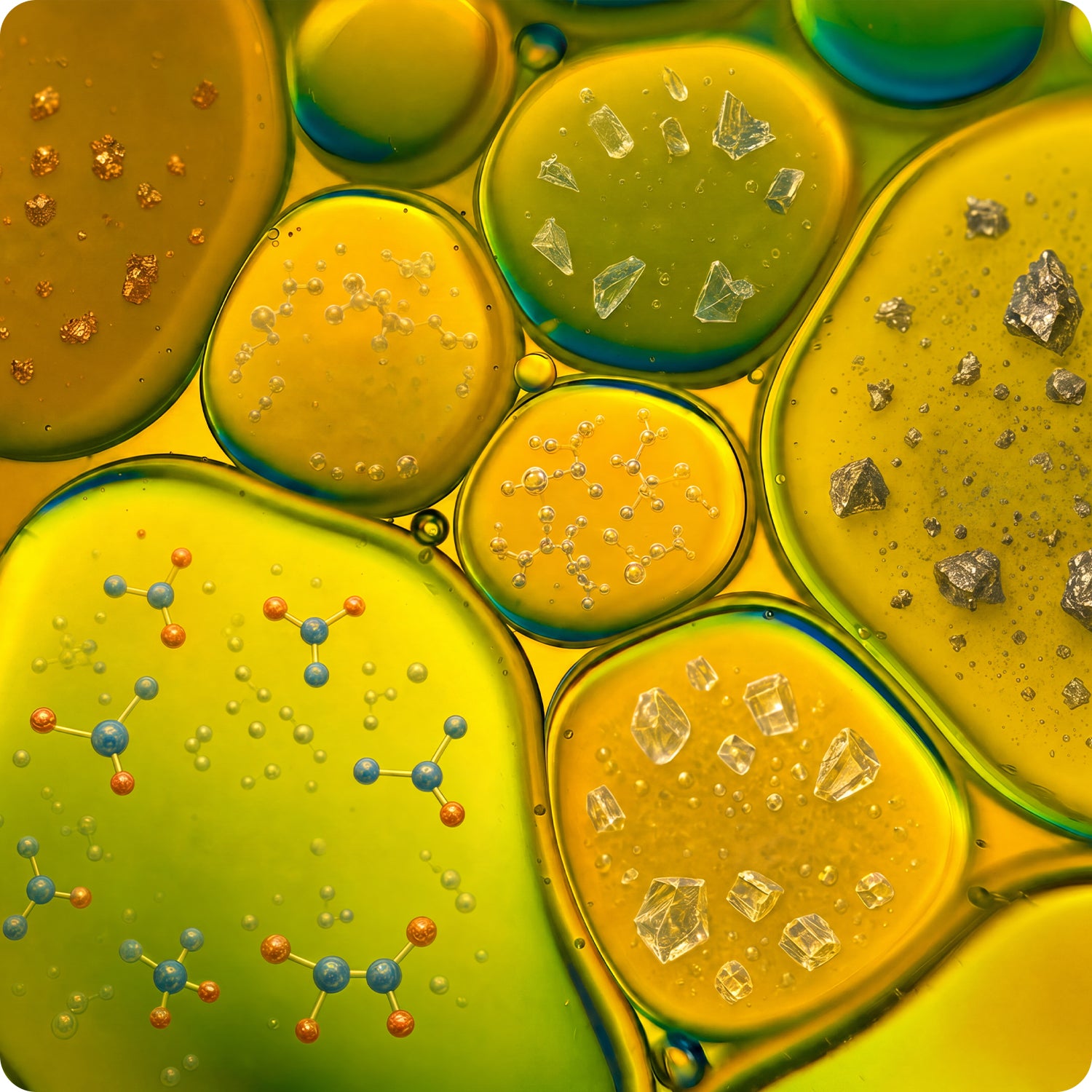
The Contaminants You Can't See
More than 200 million Americans are estimated to have PFAS/PFOS — often called "forever chemicals" — in their tap water. Other contaminants commonly detected in water systems include lead, copper, arsenic, nitrates, and fluoride, each raising concerns about drinking water quality and long-term exposure.
Though often undetectable without testing, these substances can impact the water you rely on every day.
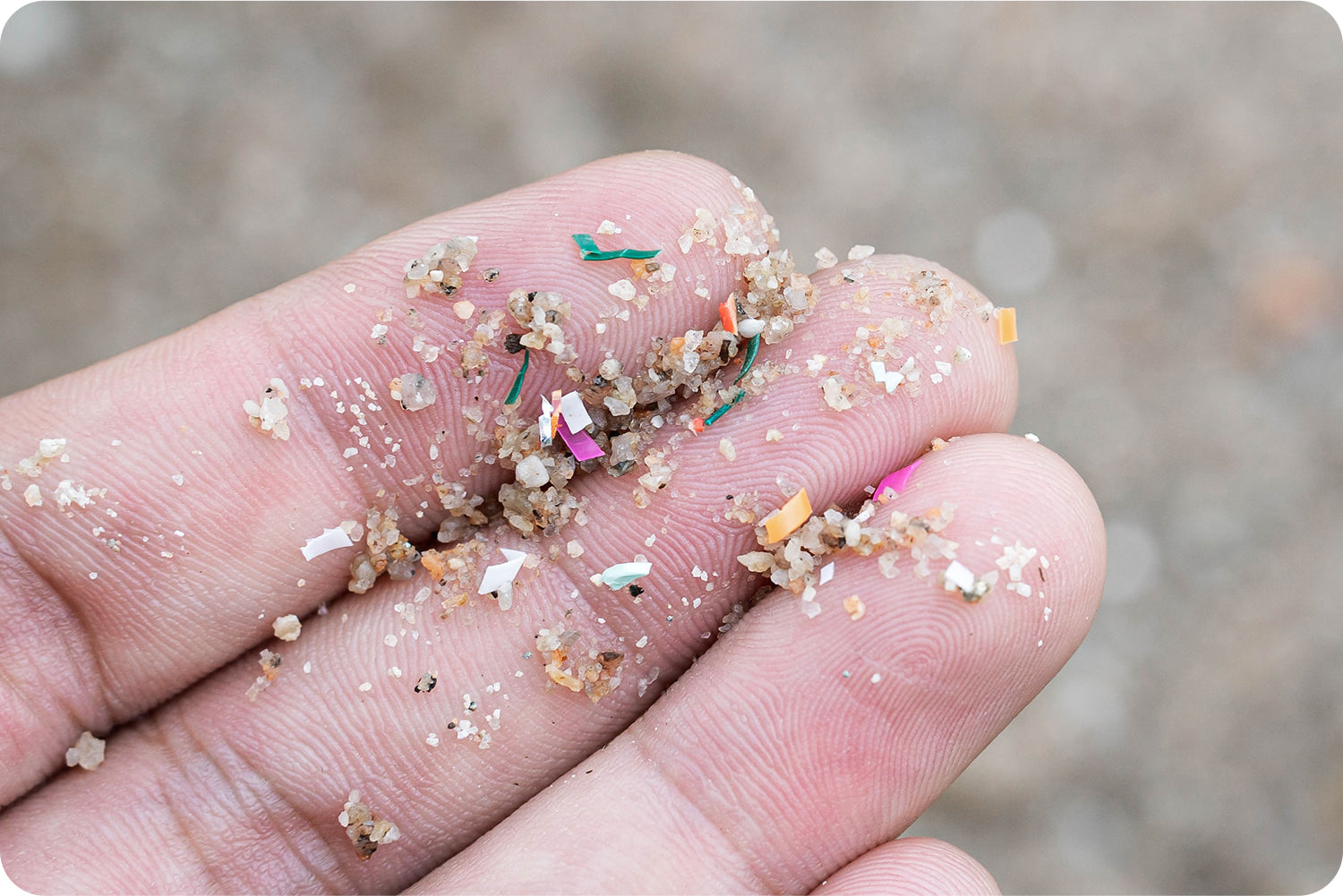
Microplastics
Microplastics are tiny plastic particles that can enter drinking water through environmental pollution and the breakdown of plastic materials. Studies have detected microplastics in both bottled and tap water globally, suggesting widespread exposure through everyday water sources.
A WHO report* on microplastics in drinking water notes that while research is still ongoing, their presence is now considered widespread in global water systems.
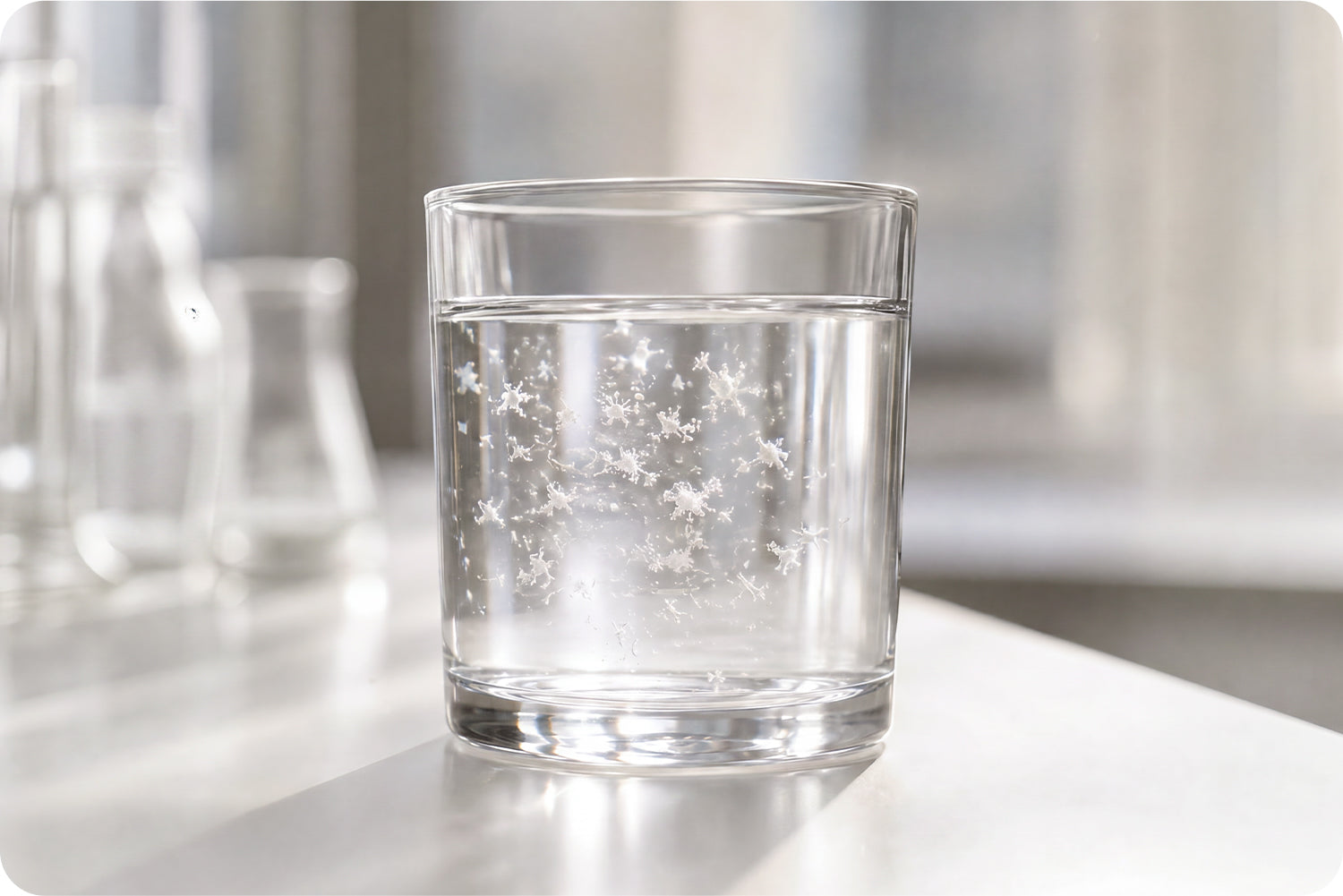
PFAS (Forever Chemicals)
PFAS are long-lasting synthetic chemicals found in many water systems. An estimated 45% of U.S. tap water may contain PFAS, including PFOA and PFOS.
Due to their persistence, PFAS can accumulate in the body over time, with studies showing detectable levels in over 98% of Americans.
*World Health Organization (WHO), Microplastics in Drinking-water (2019)
Residual Chlorine
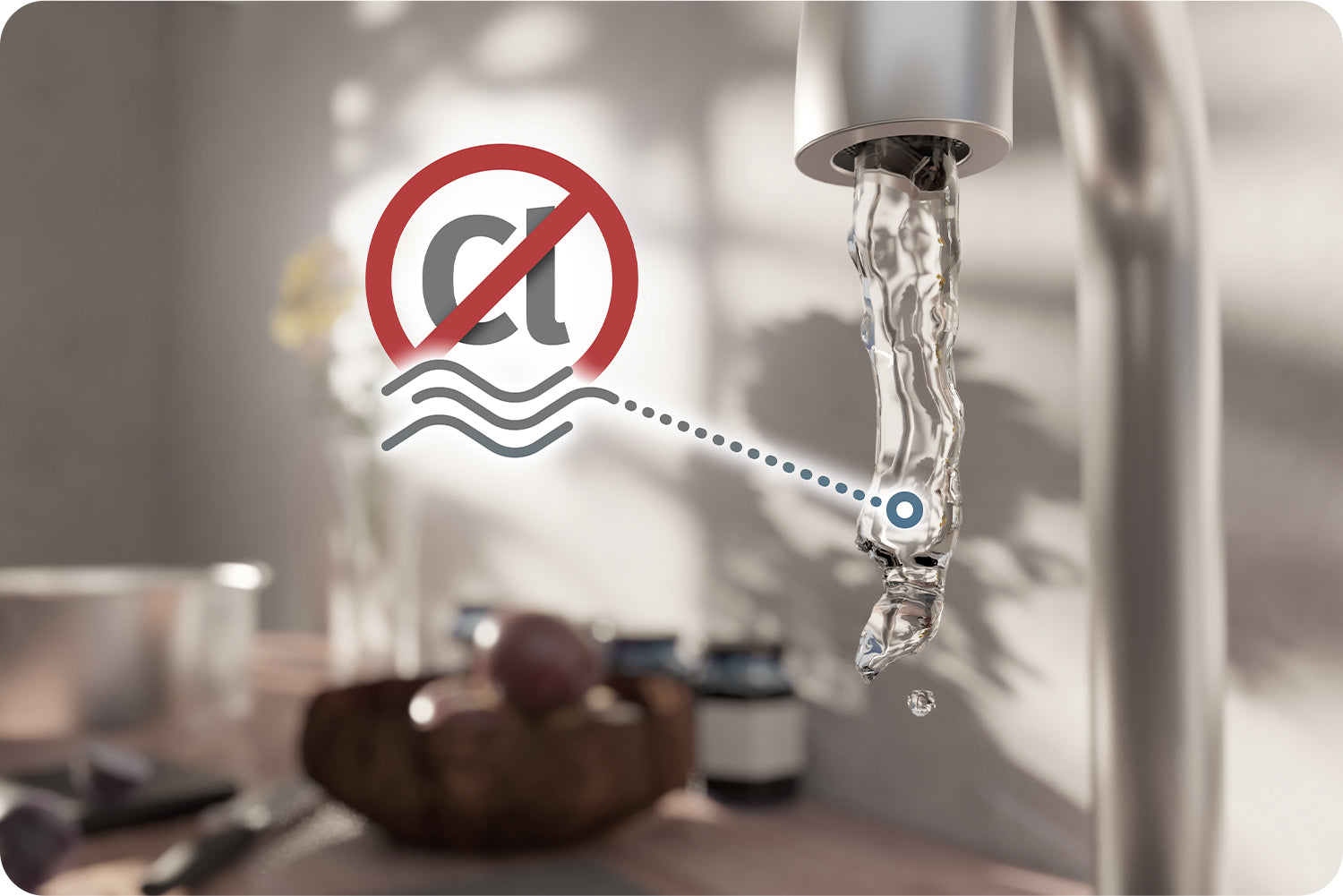
Chlorine is widely used in municipal water treatment to disinfect drinking water and control harmful microorganisms. While essential for water safety, residual chlorine may remain in tap water and can affect taste and odor.
The U.S. Environmental Protection Agency regulates chlorine in drinking water, setting a maximum residual disinfectant level of 4 mg/L, to ensure safety while maintaining disinfection effectiveness.
Lead
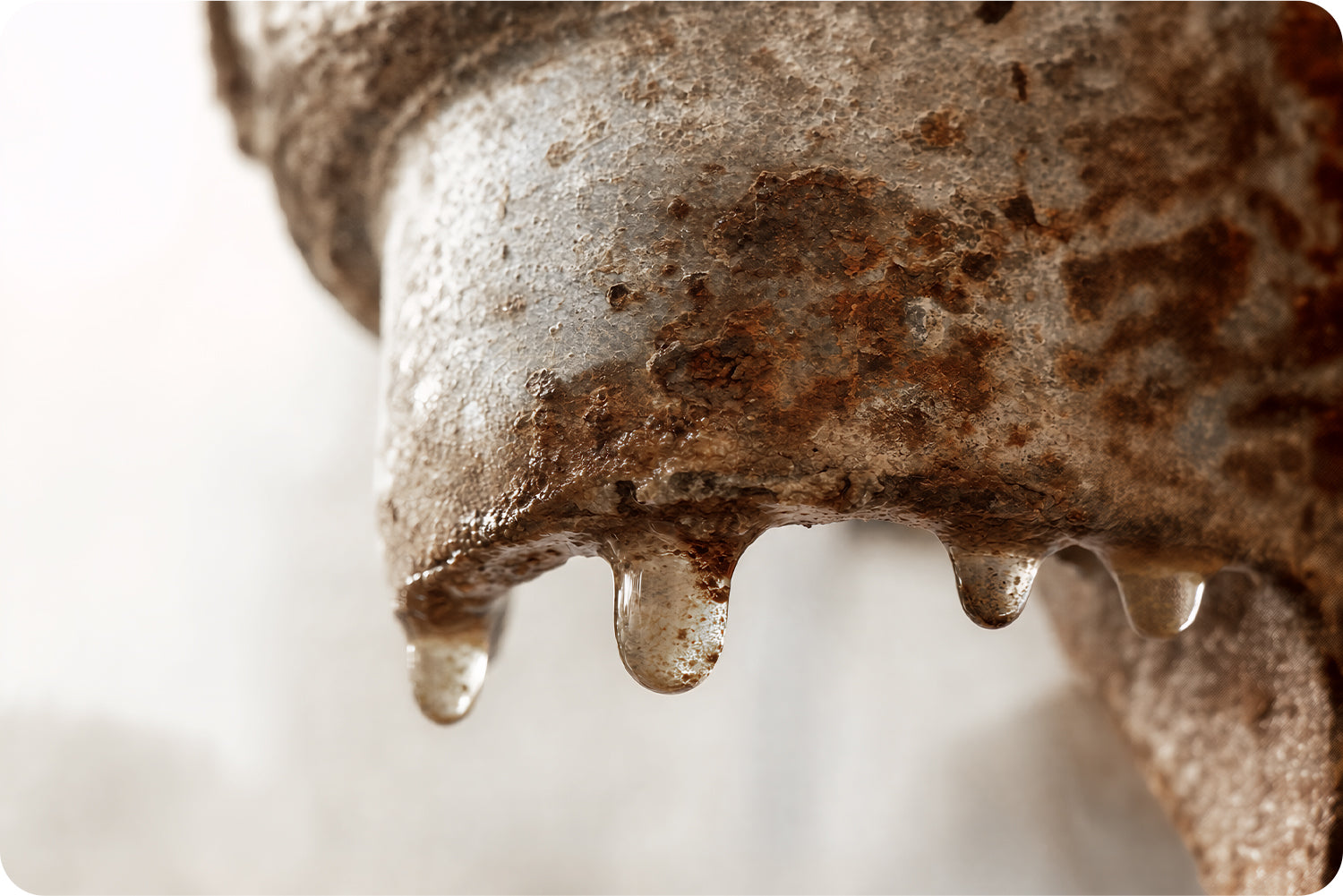
Lead can enter drinking water primarily through aging pipes, plumbing materials, and corrosion in older infrastructure. Even at low levels, long-term exposure has raised concerns about neurological development and overall health, particularly in children.
According to the U.S. Environmental Protection Agency, there is no safe level of lead exposure in drinking water, as it can accumulate in the body over time.
The invisible contaminants within unfiltered tap water

Cancer
It is estimated that contaminants in drinking water will contribute to over 100,000 cancer cases for US residents over the course of their lifetime. Common cancers linked to tap water contaminants include bladder, liver, kidney, thyroid, colorectal, ovarian and testicular.

Child Development
Tap water contaminants are especially harmful to children during developmental years. Even low levels of exposure can contribute to nervous system damage, lower IQ, learning disabilities, hyperactivity, and impaired circulatory function.

Fertility Issues
The Environmental Working Group (EWG) has identified 38 contaminants present in US tap water linked to fertility problems. These contaminants can contribute to issues conceiving, natal development, preterm births, decreased birth weight and other adverse outcomes.

Hormone Disruption
Contaminants in tap water including forever chemicals, pharmaceuticals and pesticides disrupt hormone function and cause significant biological implications. Atrazine, a dangerous pesticide, has been found in the tap water of more than 30 million Americans.

Cosmetic Issues
Chlorine is the most common tap water disinfectant in the US, nearly all tap water contains it. In addition to other contaminants like dissolved metals, they can cause dry skin, acne, eczema, hair issues, scalp irritation, and dental discoloration.

Organ Complications
Many contaminants commonly found in US tap water have harmful impacts on vital organs. They can damage the liver, kidneys, brain, heart, lungs, digestive system, and make other diseases worse that rely on these organs.

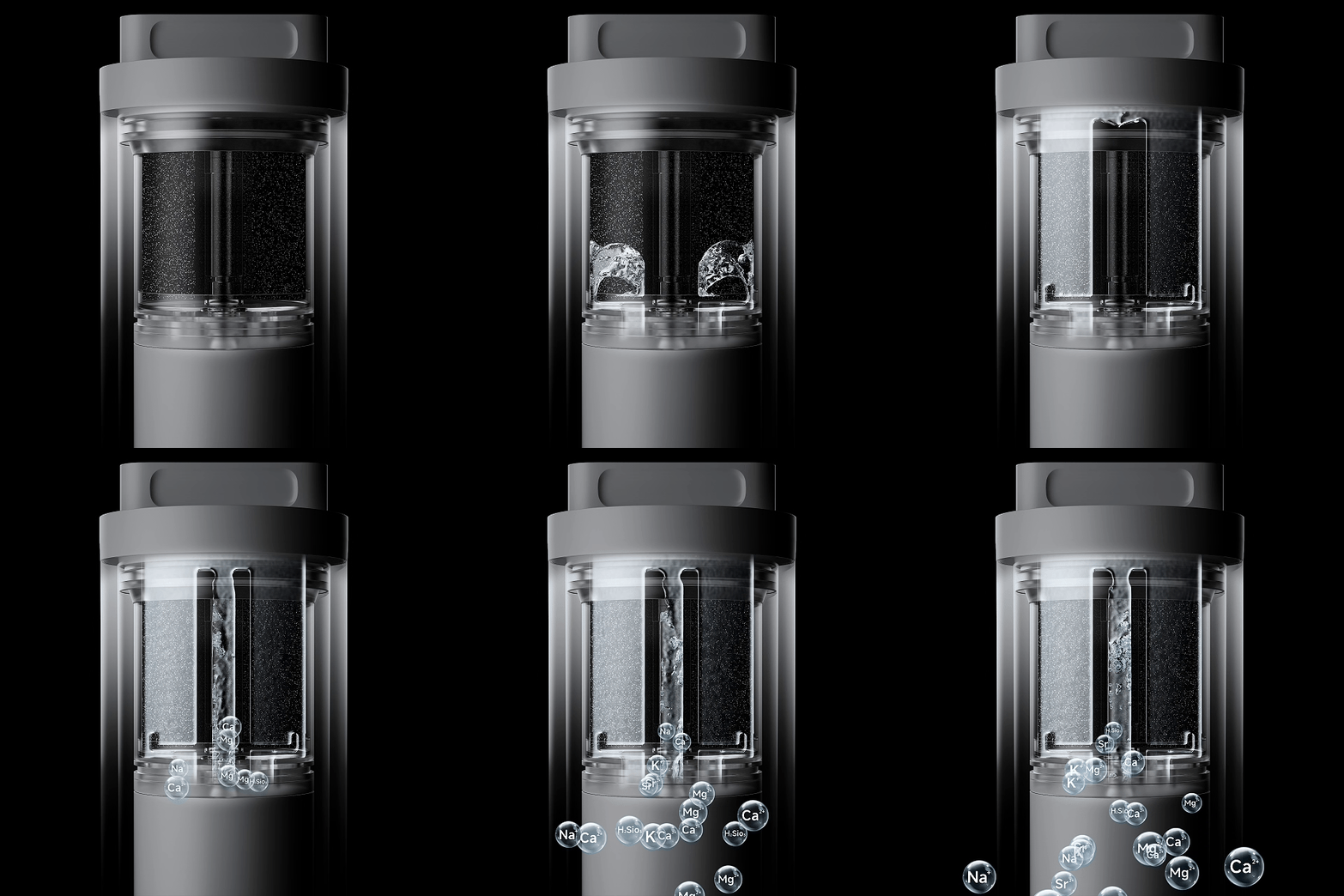
Innovative Mineralization Technologies

Better Tasting, Healthier Drinking Water
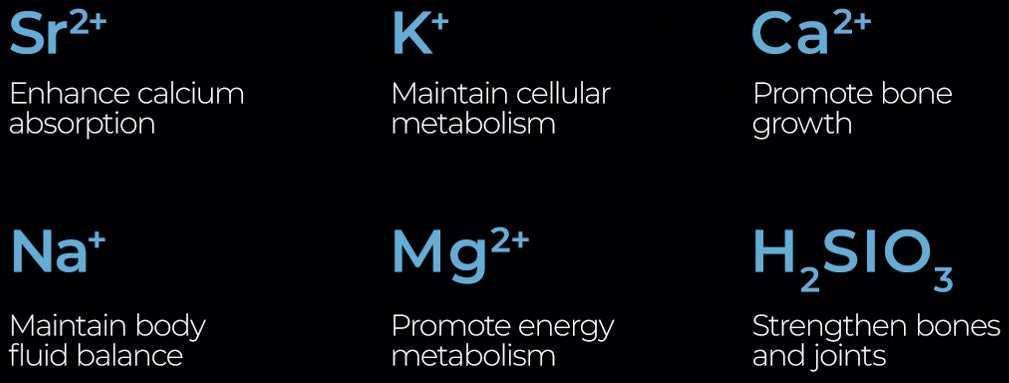
Mineral Water Rich in 6 Types of Mineral Elements

Certified by leading international institutions for safety and performance. Drink with absolute confidence in the quality and reliability of your water.

Innovative Technology
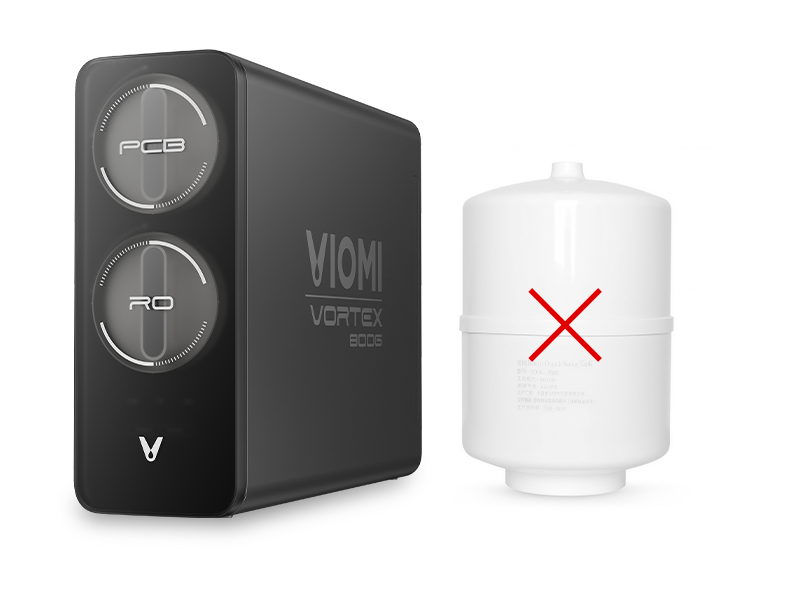
Tankless RO Technology
Every drop stays fresh thanks to the innovative integrated tankless design.
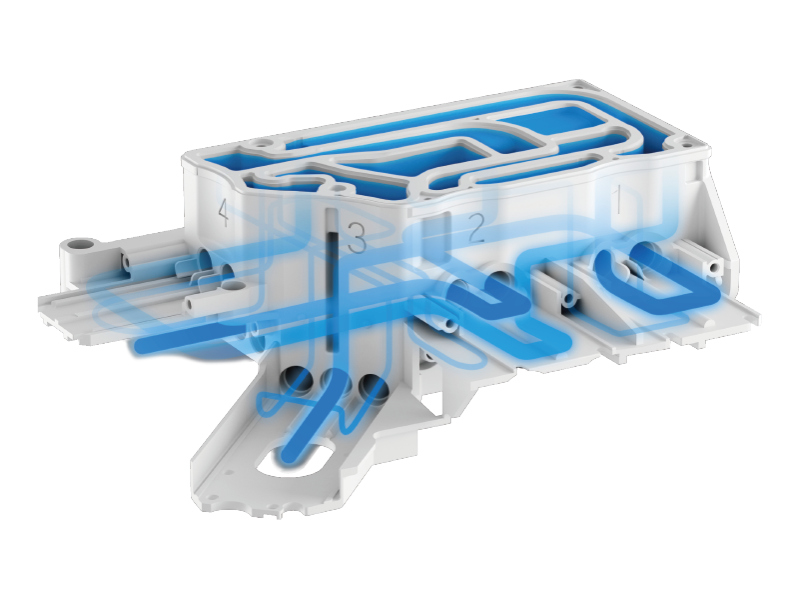
Integrated Waterway
Integrate 42 pipe connection parts into one to eliminate the risk of water leakage.
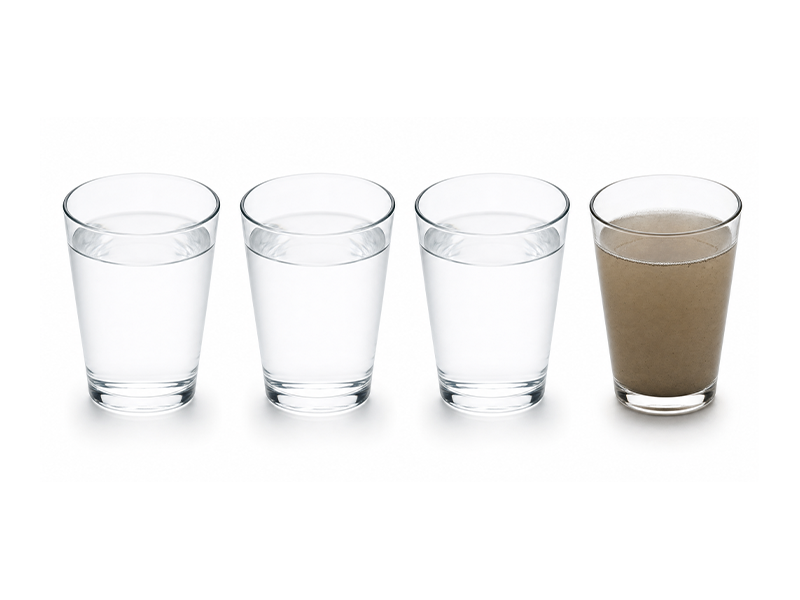
3:1 Pure-to-Drain Ratio
Reduces wastewater while delivering efficient and sustainable daily filtration.
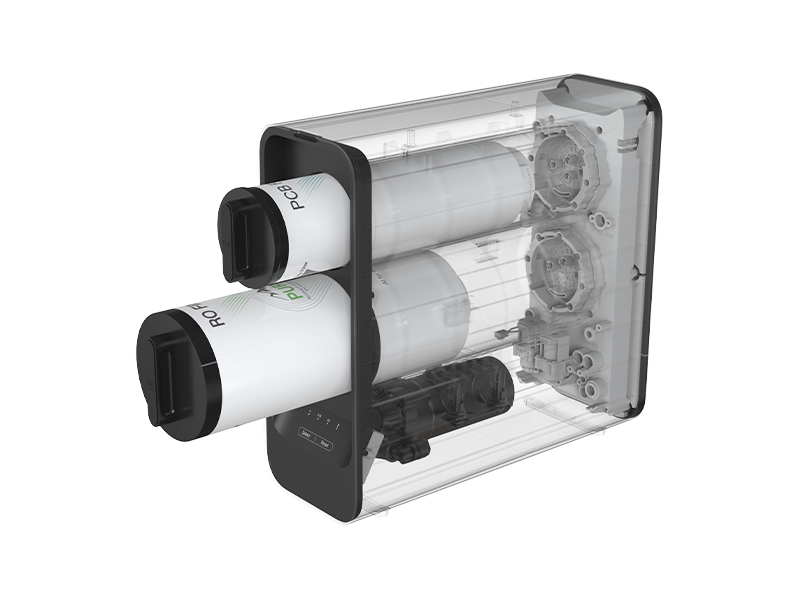
DIY Filter Replacement
The quick, tool-free replacement design makes filter changes simple and convenient.
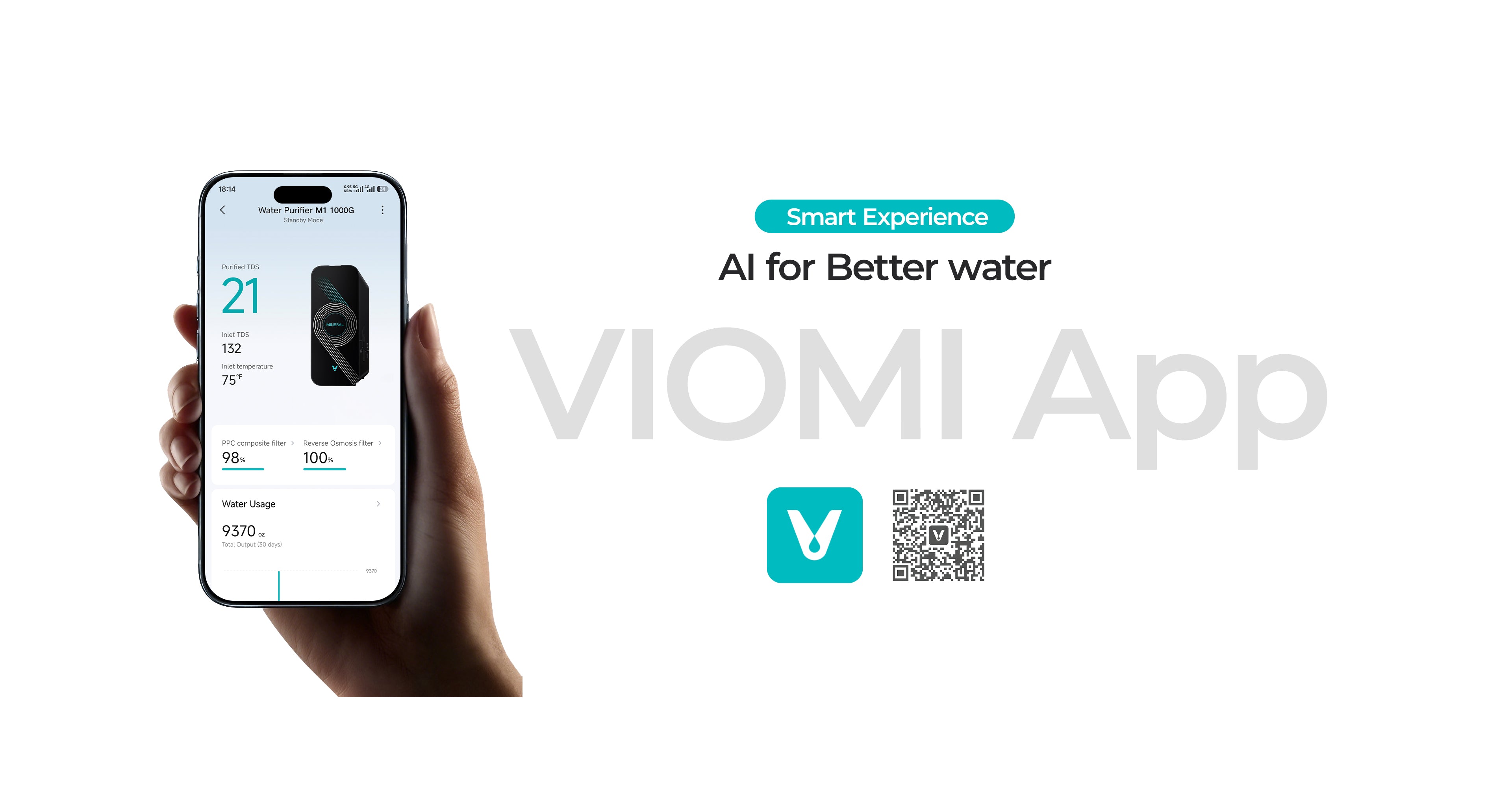
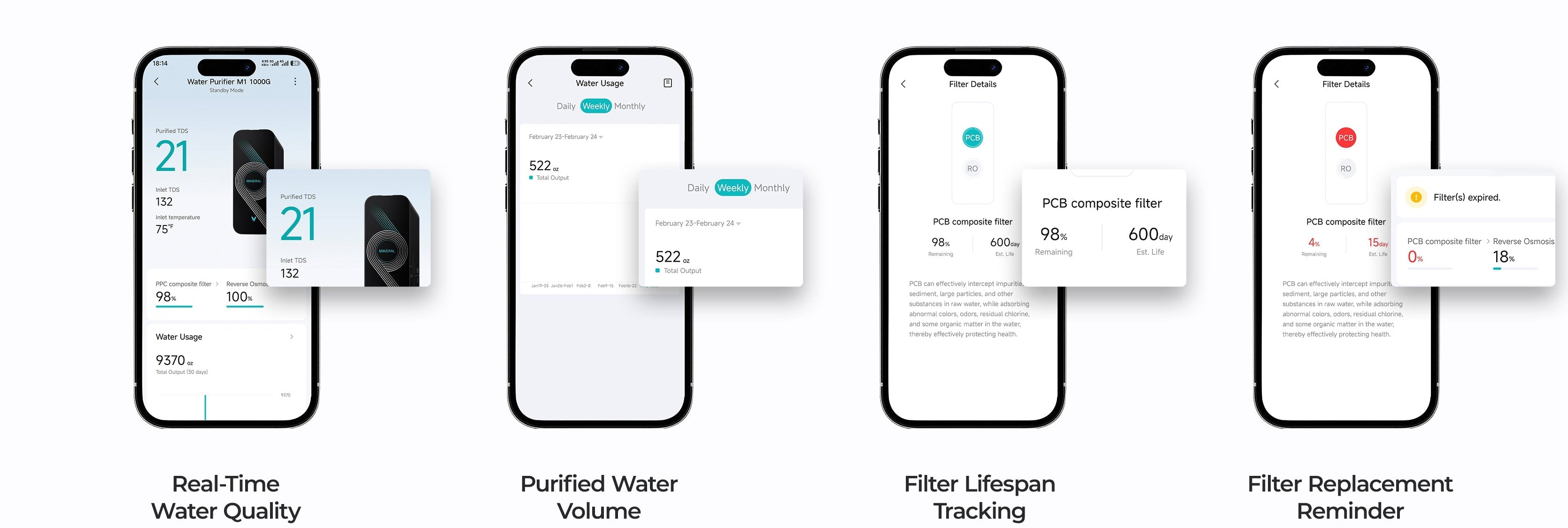
VIOMI AI Application
Check water quality, usage, filter lifespan and more, anytime from anywhere, on your mobile phone.


World-Class AI Water Purifier Gigafactory
10,000 m²
Smart Manufacturing Gigafactory
150,000,000 USD
Total Investment
5,000,000 RO Systems
Annual Production Capacity
30,000,000 Filters
Annual Production Capacity

Built on Years of Water Expertise
As a NASDAQ-listed company with our own Water Purifier Gigafactory, VIOMI brings together years of water expertise, in-house innovation, and precision manufacturing under one roof. Every system is thoughtfully engineered to deliver cleaner water with consistent quality you can trust every day.