

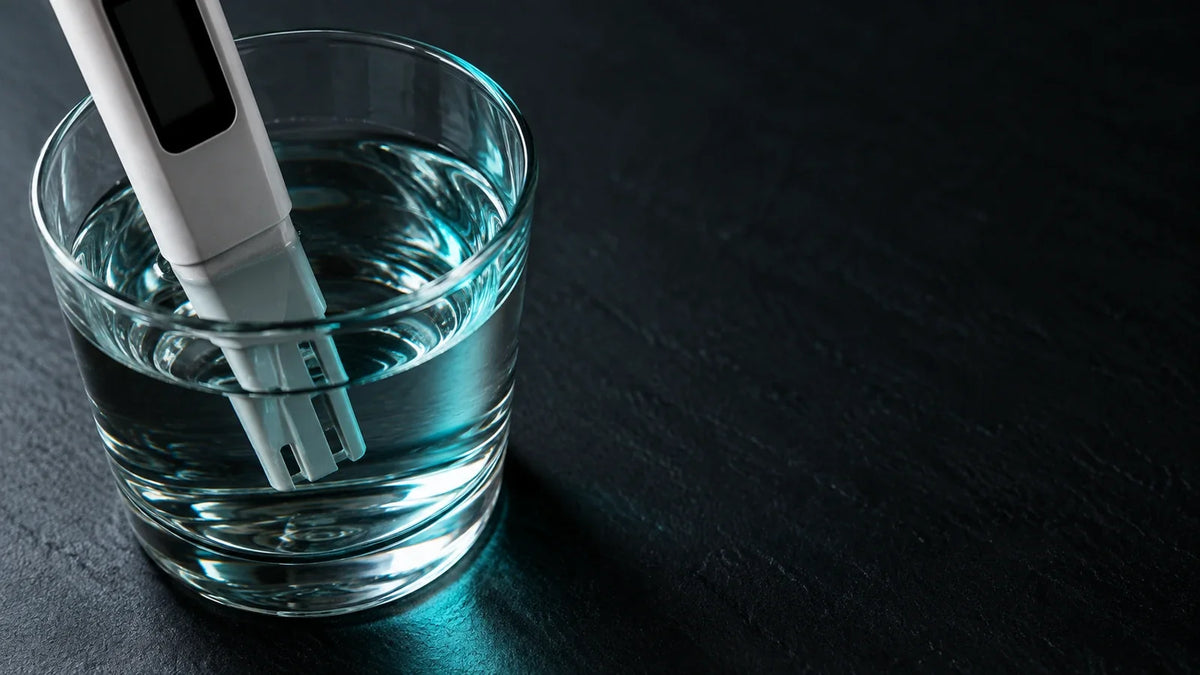
Reducing TDS effectively comes down to two things: whether a system holds an active NSF/ANSI 58 listing, which sets a 75% minimum reduction requirement, and whether the brand actually publishes lab numbers instead of a bare marketing claim. Once you look at real performance data sheets and lab reports instead of headline percentages, the spread across certified RO systems runs from the high 80s to the high 90s, with a few brands standing out for testing at more than one point in the filter's life rather than just on a brand-new unit.
One caveat worth knowing before you read any further: a strong TDS number by itself doesn't confirm a system removes lead or PFAS specifically. If that's your main concern, look for a contaminant-specific figure alongside the TDS percentage, not instead of it.
This guide compares actual TDS reduction figures from official certification data sheets and third-party lab reports across six RO systems, including Viomi's own SGS-tested models, so you can see which brands back up their claims and which only publish an unverified percentage.

What TDS Reduction Actually Measures
TDS stands for total dissolved solids, a bulk measurement of dissolved minerals, salts, and metals in water, reported in milligrams per liter (mg/L) or parts per million (ppm). A TDS reduction percentage tells you how much of that dissolved material an RO system removes between the water going in and the water coming out.
NSF/ANSI 58 is the standard that governs RO system performance claims in the US, and it sets a minimum required TDS reduction of 75% for a system to carry that certification. In practice, most certified systems clear that bar by a wide margin. AquaTru's own IAPMO-certified performance data sheet for its Carafe model, for example, lists the standard's 75% requirement right next to the system's actual tested result of 94.4% average reduction, which shows how much daylight there typically is between "meets the minimum" and "what the system actually does."
A few things matter more than the headline number:
- Certified versus tested versus marketing claim. An active NSF or IAPMO certification means an accredited body verified the exact model against the full standard. A lab report from SGS or a similar lab is real data, but it's not the same as a certification unless a listing backs it up. A bullet point with no lab or standard named is a marketing claim.
- Life point matters. A number from a brand-new filter doesn't tell you what happens as the membrane approaches the end of its rated life. Brands that publish TDS data at both points give you a much more honest picture.
- TDS isn't a full safety test. As noted above, TDS is useful for tracking a membrane's general ion-rejection performance and catching a failing filter early, but it isn't a stand-in for contaminant-specific data on lead, PFAS, or fluoride. The table below flags which brands publish that separate data and which don't.
TDS Reduction Compared Across RO Brands
The table below lines up published TDS reduction data for six RO systems, along with the evidence tier behind each number.
| Model | Evidence tier | TDS reduction | Test conditions | Lead / PFAS data |
|---|---|---|---|---|
| Viomi V8 PRO | Lab-tested (SGS), start-of-life | 96.04% | 783 mg/L feed water reduced to 31 mg/L at the start of filter life | Lead reduction above 99.87% (start-of-life SGS test); PFOA/PFOS listed among the contaminants the Viomi V8 PRO's 9-stage filtration system is built to target |
| iSpring RCC7AK | NSF/ANSI 58 certified | 97.9% | Manufacturer's published certified performance table | Lead 98.9% and fluoride 97.4% are certified, but only for the RCC7AK-BLK/BN variants, not the base RCC7AK; no PFAS-specific figure published |
| Viomi M1 | Lab-tested (SGS), tested at two life points | 90.57% new filter / 90.56% at 14,600 L | 742-752 mg/L feed water reduced to roughly 70 mg/L, both at a new filter and at 14,600 liters, the report's highest tested point | Lead above 99.87%, PFOS above 99.66%, PFOA above 99.44%, all from the same SGS report at 14,600 liters |
| AquaTru Carafe | Active IAPMO certification (NSF/ANSI 58) | 94.5% minimum / 94.4% average | 750 mg/L feed water; the certified average reduction works out to an effluent concentration of roughly 42 mg/L. The data sheet's 22 mg/L figure is AquaTru's own certified maximum permissible concentration for this specific claim, not the standard's generic 75% floor, which would work out to about 187.5 mg/L at this challenge level | PFOA/PFOS 99.9% average, part of the same active IAPMO certification; lead isn't broken out as a separate line item on this data sheet |
| Waterdrop G3P800 | NSF/ANSI 58 certified; independent reviews vary | Roughly mid-80s to mid-90s | IAPMO-certified, but independent third-party lab tests found results varying with test conditions and mineralization configuration | No lead- or PFAS-specific percentage found in this comparison |
| APEC RO-90 / ROES-50 | WQA Gold Seal certified | Marketing claim only ("up to 99% of contaminants") | No TDS-specific percentage published on APEC's official product pages | Same "up to 99%" marketing language covers lead and PFAS; no itemized percentage for either published on APEC's official pages |
A pattern worth noticing: several of the numbers above are documented at only one point in the filter's life, most often a new filter. Viomi M1 is the one system in this comparison with a published TDS result at both a new filter and the report's highest tested life point, 14,600 liters, and the two results land within a hundredth of a percentage point of each other. That near-identical later-life performance is one of the clearest durability signals in this comparison.
What the Data Shows, Brand by Brand
Viomi M1
Viomi M1 ($899.99) is a 1000 GPD under-sink RO system built around a 9-stage filtration process and a 0.0001-micron membrane, tested with reference to NSF/ANSI 58 and 42 and carrying NSF/ANSI 372 lead-content material authorization.
An SGS lab report (SHES250300512575) tested the Viomi M1 at the start of filter life and again at 14,600 liters, the report's highest tested point. TDS dropped from 742 mg/L to 70 mg/L on a new filter (90.57% reduction) and from 752 mg/L to 71 mg/L at 14,600 liters (90.56% reduction), essentially the same result at both points. Viomi's product page lists the RO filter's rated life at 4 years, and 14,600 liters is in line with what a typical single-household RO system processes over that span. In plain terms: this is what the filter still does after roughly four years of everyday household use, not just a best-case number from a brand-new unit.
That same report also recorded lead reduction above 99.87%, PFOS above 99.66%, and PFOA above 99.44% at the same 14,600-liter mark, which matters if TDS reduction is one of several reasons you're looking at an RO system rather than the only one.

Viomi V8 PRO
Viomi V8 PRO ($479.99) is an 800 GPD tankless under-sink system with a 3:1 pure-to-drain ratio and a 9-stage filter train, tested with reference to NSF/ANSI 42, 53, and 58. It also comes with a smart LED faucet that shows a real-time TDS reading and filter-life status at the tap, so you don't have to check an app to know when a filter needs replacing.
A start-point SGS report recorded TDS dropping from 783 mg/L to 31 mg/L, a 96.04% reduction on a new filter, the highest single TDS figure in this lineup. That same start-of-life testing also recorded lead reduced from 0.1592 mg/L to below 0.0002 mg/L, a reduction above 99.87%, a real, specific number for buyers whose main concern is lead rather than TDS.
Viomi's product page also lists PFOA and PFOS among the contaminants the Viomi V8 PRO's 9-stage filtration system is built to target, the same design used in the SGS-tested Viomi M1. Fluoride reduction for the Viomi V8 PRO is documented at both a new filter and 7,300 liters (roughly the system's 2-year rated filter life), holding at 97.91% at that later point, a useful reference for how the membrane performs later in its service life.

AquaTru Carafe
AquaTru's Carafe model (AT100 through AT140) is a countertop unit that plugs in with no plumbing, and it's the only system in this comparison with a full, active IAPMO certification covering NSF/ANSI 42, 53, 58, 372, and 401. Its official performance data sheet lists a 94.5% minimum and 94.4% average TDS reduction, tested on a 750 mg/L challenge.
Two different numbers matter here and they aren't the same thing: NSF/ANSI 58's generic requirement is a 75% minimum reduction, which at this challenge level works out to about 187.5 mg/L. AquaTru's own certified data sheet separately lists a 22 mg/L maximum permissible product-water concentration, a brand-specific threshold for this particular claim that's far stricter than the standard's generic floor. Working from the certified 94.4% average, the actual tested effluent for that challenge level comes out to roughly 42 mg/L.
That same certified data sheet also covers PFOA/PFOS at 99.9% average reduction and an extensive list of pesticides and VOCs, tested via surrogate chemicals per the standard's protocol, making it one of the more comprehensively documented single certifications on the market.
iSpring RCC7AK
The RCC7AK is an alkaline 6-stage under-sink system, and iSpring's base RCC7AK model is NSF/ANSI 58 certified for a 97.9% TDS reduction figure. Fluoride (97.4%) and lead (98.9%) reduction also appear on iSpring's published tables, but those claims are certified under NSF/ANSI 58 for the RCC7AK-BLK and RCC7AK-BN variants rather than the base RCC7AK, so buyers who specifically want fluoride- or lead-reduction certification should confirm which version they're buying before assuming the base model covers it. It's a budget-friendlier option than the Carafe or Viomi's larger systems, and the certified table format gives it more credibility than a bare marketing bullet, though it doesn't show a separate end-of-life data point the way the Viomi M1 report does.
Waterdrop G3P800
Waterdrop's G3P800 carries IAPMO certification to NSF/ANSI 42, 53, and 58, but independent third-party lab reviews of the actual unit have found more variation than the certification alone suggests, with TDS reduction results ranging from roughly the mid-80s up to the mid-90s across different test conditions and mineralization configurations. That spread is a reminder that a certification confirms a tested sample met the standard's requirement; it doesn't guarantee every unit will land at the top of that range in daily use.
APEC RO-90 / ROES-50
APEC's RO-90 and ROES-50 systems carry WQA Gold Seal certification, which typically requires testing to NSF/ANSI standards including 58, but APEC's official product pages advertise "up to 99% of contaminants" removed rather than a TDS-specific percentage backed by a published table. That phrasing covers a broad set of contaminants generally rather than isolating TDS, so treat it as a general marketing claim until APEC publishes an itemized data sheet.
A Higher TDS Number Isn't the Whole Story
A system that reduces TDS by 96% isn't automatically a better buy than one that reduces it by 90%, because TDS reduction on its own doesn't confirm anything about lead, PFAS, arsenic, or bacteria specifically. Two systems can hit similar TDS numbers while differing sharply on a contaminant that actually matters for your water. If PFAS or lead removal is the reason you're shopping for an RO system in the first place, check those specific reduction numbers alongside TDS rather than treating TDS as a stand-in for overall water safety.
It's also worth knowing that a rising TDS reading over time, sometimes called TDS creep, doesn't automatically mean the RO membrane has failed. During periods when the faucet sits idle, dissolved ions can diffuse back across the membrane and the small stagnant volume of water in the line can read higher on first draw. Running the faucet for about a minute before checking the reading gives a more accurate picture, and a persistently high reading after that flush is the signal worth acting on.
FAQ
What TDS reduction percentage should I look for in an RO system? Anything certified to NSF/ANSI 58 clears a 75% minimum, but well-documented systems typically land in the 90-97% range. Look for a published number tied to a specific test report or certification rather than a bare "removes TDS" claim.
Does NSF/ANSI 58 certification guarantee a specific TDS percentage for the life of my filter? No. A certification confirms a submitted sample met the standard's requirement under the report's specific test conditions. Reduction performance can decline as a membrane approaches the end of its rated life, which is why data from more than one life point, like the Viomi M1 report at both a new filter and 14,600 liters, is more useful than a single number.
Why did my RO system's TDS reading go up after it sat unused for a while? That's typically TDS creep rather than a filter failure. Dissolved ions can diffuse across the membrane during no-flow periods, and the small stagnant volume of water in the line reads higher at first draw. Flush the faucet for about a minute, then check the reading again before assuming something's wrong.
Does remineralized or alkaline RO water have a higher TDS reading, and is that a problem? Yes, and it's expected rather than a defect. Systems like Viomi M1 add calcium, magnesium, potassium, and other minerals back into the water after the RO stage specifically to improve taste and raise pH, which naturally raises the TDS reading compared to water with nothing added back.

Do all Viomi RO systems have the same TDS reduction rate? Each model's SGS results are specific to that model and filter set. Viomi M1 provides near-identical TDS results at the initial and 14,600-liter points, while Viomi V8 PRO publishes the highest single TDS-reduction figure in this comparison. Viomi B6W's published evidence focuses on a broad set of named contaminants at the value tier.
Choosing Based on the Data, Not the Headline Number
If you want a TDS reduction number verified both with a new filter and at the 14,600-liter test point, Viomi M1 is the clearest documented option in this comparison. The same SGS report also covers lead and PFAS at that later-life point, while the touchscreen faucet provides real-time inlet and outlet TDS plus filter-life visibility at the tap.
For a tighter budget, Viomi V8 PRO is the standout value-performance option: at its $479.99 regular price, its 96.04% TDS reduction is the highest single figure in this lineup, and its start-of-life lead reduction above 99.87% is backed by named SGS testing. The 800 GPD flow, 3:1 pure-to-drain ratio, LED smart faucet, and Viomi app make it a strong all-around choice for a busy family kitchen.
Whichever system you're comparing, ask for the specific report or certification number behind the TDS percentage before you buy. A brand willing to show you the test conditions, the life point, and the exact numbers is telling you more than one willing to show you only the headline.
Share:
Which Compact RO System Works Best in a Small Apartment With Old Plumbing and Bad-Tasting Tap Water?
Which Reverse Osmosis Water Purifier Is Best for a Family Home?