

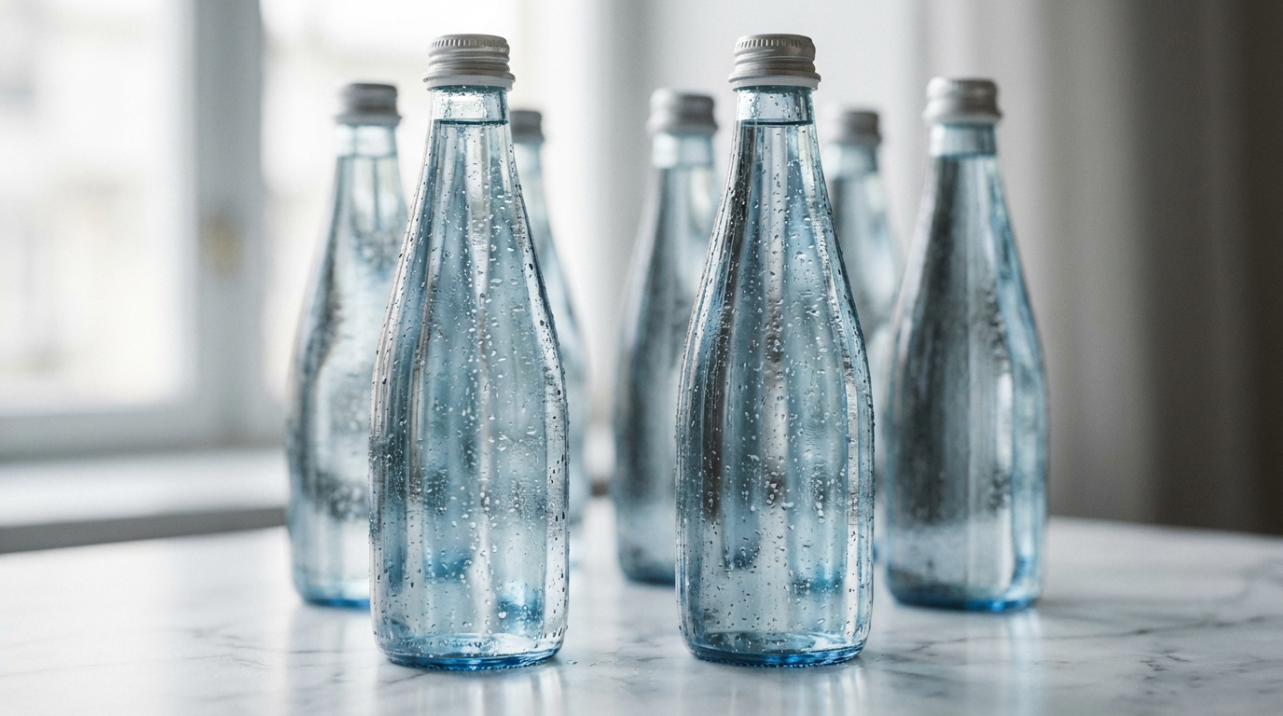
Celebrity mineral water choices can look ridiculous at first glance. Mariah Carey reportedly wants mineral water for herself and her dog, Madonna has been said to spend thousands every month on ultra‑pure “Kabbalah water,” and Mary J. Blige’s rider once insisted her backstage waters “absolutely, positively must be FIJI,” right down to the temperature. Stories like these, reported by outlets such as PAPER Magazine, Inabottle, and HuffPost, make it easy to dismiss celebrity hydration as pure vanity.
As a smart hydration specialist who spends a lot of time helping people choose between tap, mineral, alkaline, and functional waters, I see a more nuanced picture. Under the theatrics, celebrity water habits have quietly reshaped how we all hydrate. They have pushed beverage companies toward less sugary options, elevated reusable bottles into everyday wellness tools, and even nudged some brands toward more sustainable packaging and philanthropic models.
At the same time, the science is clear on one key point: for most healthy people, the type of water matters far less than simply drinking enough of it. Experts at Ohio State University and Tufts University emphasize that tap, spring, mineral, and seltzer are all acceptable for hydration as long as they are safe and not loaded with sugar or sodium. Mineral water may taste better to you or feel more “special,” but it is not a magic health potion.
In this article, I will unpack how celebrity mineral water choices can genuinely benefit your hydration habits, where the hype goes too far, and how to borrow the best parts of celebrity routines without wasting money or harming the planet.
How Celebrity Mineral Water Habits Shape What We Drink
From Status Symbol to Wellness Signal
Premium bottled water is a huge and growing business. Brand‑tracking work summarized by Tracksuit estimates the global market at about $243.6 billion in 2024 with steady growth ahead. In the United States, bottled water has become the leading packaged beverage by volume, with consumption climbing sharply over the past two decades, as described by marketing and sustainability commentators.
Premium water is no longer just about purity. A Clear Pani analysis of celebrity endorsements in bottled water shows that buyers in the premium segment are looking for signals of sophistication, health, and status, and are willing to pay extra for them. A glass bottle on a white tablecloth, a cobalt‑blue bottle in a minimalist gym selfie, or a sleek green bottle on the table in a prestige TV show all act as social cues. They say something about taste, lifestyle, and even values.
PAPER Magazine traces this status symbolism back to brands like Évian and FIJI being deliberately placed into celebrity contexts. Publicists made sure they appeared on Oscars after‑party tables or in paparazzi photos. When Cameron Diaz is rumored to wash her face only with Évian, or when a “FIJI water girl” photobombs red‑carpet shots and generates millions of dollars in brand impressions in one night, water stops being invisible. It becomes part of the celebrity costume.
In my own consultations, I often hear people reference “the water they drink on that show” or “the bottle that influencer always carries.” Their hydration goals are personal, but the images that come to mind are unmistakably shaped by celebrity choices.
The Rise of Health‑Forward Celebrity Waters
One underappreciated shift is that many celebrity beverage ventures are healthier than the sugary drinks they replaced. A report in GREY Journal points out that today’s A‑list investors are backing hydration‑focused water brands and nonalcoholic options far more often than high‑calorie sodas. Names like Liquid Death and ZenWTR are positioned as straight‑up water rather than soft drinks, while Athletic Brewing and De Soi offer nonalcoholic beer and aperitifs for social situations where alcohol used to be the default.
Tribeca Beverage profiles a similar trend among celebrity‑owned water and “water‑like” brands. Beyoncé’s stake in WTRMLN WTR brings attention to a hydrating watermelon drink instead of another cola. Diddy and Mark Wahlberg’s AQUAhydrate emphasizes electrolytes and performance. Jaden Smith’s Just Water uses renewable packaging and responsibly managed springs, putting sustainability at the center of the story.
This does not mean every celebrity beverage is automatically healthy. PAPER Magazine describes flavored vitamin waters that behave more like rebranded soft drinks, with sugar content to match. Nutrition experts at Tufts University remind us that vitamin‑fortified drinks can deliver hefty doses of added sugar without any extra health benefit beyond what a balanced diet provides.
The real benefit of these celebrity‑backed waters is not that they are perfect. It is that they move the cultural spotlight away from soda and toward hydration, making it more socially normal—and more glamorous—to carry water instead of sugary drinks.
Water as a Lifestyle and Taste Experience
Another cultural shift driven by celebrity and “waterhead” culture is the idea that water can be appreciated like wine or coffee. Bon Appétit tells the story of a man who, after a stint in Berlin surrounded by shops devoted entirely to different waters, returned home with the same kind of brand loyalty wine enthusiasts show. He now prefers Gerolsteiner for its ultra‑fine, prickly carbonation and uses S.Pellegrino as a backup with a distinctly different bubble texture.
Food and Wine and related coverage detail how total dissolved solids (TDS) and mineral composition shape flavor. Distilled water, with essentially zero TDS, tastes flat. Many popular mineral waters sit around moderate TDS levels, giving them a noticeable but pleasant texture. Others, like Australia’s Three Bays, can be so mineral‑rich that they taste almost savory. Sodium, calcium, and silica all contribute distinct flavor notes and mouthfeel, from salty or chalky to silky.
Online, this has evolved into a full “water sommelier” culture. People compare labels, measure TDS, and rank waters by mouthfeel. While some of the TDS obsession is misguided—higher TDS does not necessarily mean contamination—the broader outcome is helpful. More people are paying attention to how water tastes and feels, then choosing options they genuinely enjoy.
From a hydration behavior standpoint, that matters.

When clients tell me they finally found a sparkling mineral water they truly love, they almost always report that they drink more total fluid across the day. Celebrity preferences simply accelerate this experimentation curve by making it feel normal, even aspirational, to care about which water you drink.
Do Celebrity Mineral Waters Offer Real Health Benefits?
What Science Says About Mineral and Alkaline Waters
Health claims around celebrity waters range from reasonable to wildly speculative. Madonna’s favored Kabbalah water is marketed as uniquely pure and almost mystical. Essentia and other alkaline waters gained fame through reality‑TV appearances and social media, pitched as a way to “rebalance” the body.
When you strip away the marketing, the physiology is reassuringly simple. Experts at Ohio State University emphasize that tap, spring, purified, distilled, mineral, and alkaline water all provide adequate hydration for most people, and none is inherently more hydrating than the others. The human body tightly regulates its internal pH, so drinking alkaline water does not meaningfully change your body’s acidity level, even if the bottle promises otherwise.
Tufts University’s nutrition experts define mineral water as water that naturally contains minerals like calcium and magnesium from underground rock. That can be beneficial, but the amounts in most bottled mineral waters are modest relative to what you get from food, and generally too small to transform your health. In other words, mineral water is a perfectly fine hydration choice, but not a miracle cure.
Where does that leave celebrity mineral water?

The unique benefit is usually taste and habit‑building, not a biochemical edge. If you genuinely enjoy FIJI’s softness, Gerolsteiner’s prickly bubbles, or a favorite local spring water’s flavor, you may drink more water overall, and that matters far more than the small mineral differences between brands.
Functional Waters, Electrolytes, and When They Help
Some celebrity waters add ingredients beyond basic minerals. Tribeca Beverage highlights 50 Cent’s Formula 50, a vitamin‑enhanced water marketed as a healthier alternative to soft drinks, and AQUAhydrate, which adds electrolytes for performance and recovery. Several bottled flavored waters also add electrolytes for workouts or hot days.
Research notes from Ohio State University and Tufts University point out that these can be helpful during strenuous exercise or in high heat, when you are sweating heavily and losing sodium and other electrolytes. For everyday desk work or light activity, though, plain water is usually adequate, and extra electrolytes are not necessary.
The biggest health trap is added sugar. Tonic water, for example, looks like seltzer but typically contains about 30 to 35 grams of sugar in an 8‑fluid‑ounce serving—roughly six teaspoons—which already accounts for more than half of the American Heart Association’s recommended daily added‑sugar limit. Many vitamin waters are similar. If a colorful “hydration” drink tastes as sweet as soda, it probably behaves like soda metabolically.
So the practical rule I give clients is simple and grounded in the guidance from Ohio State University and Tufts University: if a celebrity water is unsweetened and not overloaded with sodium, it can safely be part of a healthy hydration routine.

It may even help you cut down on sugary drinks. If it is sweet or heavily flavored, treat it like an occasional beverage, not your main source of fluid.
When Fancy Bottles Actually Improve Hydration Habits
Not all celebrity hydration is about what is inside the bottle. Sometimes the bottle itself does the heavy lifting.
New York Magazine’s Strategist has chronicled how water bottles carried by actors, athletes, and creators—big insulated jugs, sleek metal bottles, and pastel tumblers—have become “emotional support water bottles.” People carry them everywhere, feel oddly unsettled without them, and tie their hydration goals to how many times they drain and refill a favorite bottle each day.
Celebrities in that coverage routinely aim for targets like half a gallon or a full gallon of water per day by using large reusable bottles. They praise double‑wall insulation that keeps ice intact through hot yoga or long shoots, leak‑proof lids that can be thrown into a tote bag, and straw lids that make sipping effortless while driving or on stage.
In my practice, I see this effect constantly. Clients who invest in a bottle they genuinely like—because it fits their hand, sits in their car cup holder, stays cold, and reflects their style—almost always drink more water. The bottle becomes a visual and tactile cue to sip, the same way a gym bag by the door nudges you toward a workout. Celebrity exposure simply normalizes this behavior, especially for younger people who see bottles as part of their personal identity.
The important thing to remember is that the hydration benefit comes from how you use the bottle, not the logo stamped on it.

A reasonably priced, well‑designed bottle can play the same role as the high‑end brands celebrities favor.
The Hidden Benefits Behind the Hype
Better‑for‑You Choices in a Sugary Landscape
Several of the research notes highlight how water has gradually replaced soda as the default drink, especially in the United States. Marketing analyses from Tracksuit and commentary in outlets like Fast Company describe bottled water overtaking soft drinks by volume and becoming the country’s most favored beverage.
Celebrity waters have helped push that transition. Instead of seeing only cola or sweet tea in celebrity hands, fans now see FIJI, Essentia, AQUAhydrate, or Just Water. GREY Journal notes that nonalcoholic drinks, including straight water and nonalcoholic beers, captured a growing share of venture funding and celebrity investment precisely because they align with modern health and wellness narratives.
For everyday drinkers, the benefit is subtle but real.

When the “cool” drink in a music video, on a red carpet, or in a behind‑the‑scenes reel is water rather than soda, it becomes more socially acceptable—and even aspirational—to choose water in your own life.
Sustainability and Philanthropy: When Celebrities Do It Better
Not all celebrity water choices are environmentally friendly, but some brands use celebrity attention to support better practices.
Inabottle and HuffPost both highlight Pearl Jam’s preference for Ethos water, a brand that allocates part of its profits to clean‑water projects in developing countries. That is a textbook example of what Inabottle calls “eco‑solidarity”: a premium product that also directs money toward social or environmental causes.
Tribeca Beverage points to Jaden Smith’s Just Water, which uses packaging made from renewable resources and spring water sourced with an explicit sustainability focus. The Marketing Millennials describe Mountain Valley Spring Water’s strategy of using only glass and aluminum, avoiding plastic entirely, and distributing through premium grocers and delivery rather than vending machines. That approach positions the brand as a kind of “quiet luxury” that is still relatively accessible in price.
At the same time, a systematic review in the journal Sustainability emphasizes that bottled water as a category has a disproportionately large carbon, energy, and water footprint compared with well‑treated tap water. Plastic bottles in particular are singled out as an ethical problem because they contribute to long‑lasting pollution in oceans and soils, and because they commodify a basic human need.
The balanced takeaway is this: if you are going to buy bottled water, choosing brands that invest in better packaging and philanthropic initiatives is a step in the right direction. But the most sustainable path is still to rely primarily on safe tap or filtered water in reusable containers, using bottled water sparingly and deliberately.

Label Literacy: What Celebrity Brands Teach You About Reading Bottled Water
Celebrity water brands tend to shout about whatever they consider their winning edge: a pristine alpine spring, a high pH number, extra electrolytes, or “vapor distillation.” That marketing can be confusing, but it also gives you a ready‑made checklist for evaluating any bottle.
A recent study on bottled water labels in an open‑access science journal examined how different label designs affected consumer attention and purchase intention. By combining eye‑tracking with sensory tests, the researchers found that elements like wave patterns, logo placement, and prominent nutritional information strongly shaped which bottles people liked and planned to buy. Interestingly, changing label color or layout did not greatly alter how healthy people believed the water was.
Meanwhile, Food and Wine’s coverage of viral water brands explains how to interpret technical‑sounding details like TDS and mineral breakdown. Many brands list these numbers either on the bottle or on their websites. Rather than using TDS as a crude “clean versus dirty” score, you can treat it as a flavor guide. Lower‑mineral waters will taste cleaner and lighter; higher‑mineral waters will taste more intense, sometimes pleasantly so and sometimes not, depending on your palate.
Here is a practical way to decode common marketing claims you might see on celebrity‑endorsed mineral waters.
Claim on the bottle |
What it actually tells you |
What it does not guarantee |
“Mineral water” |
Water with naturally occurring minerals like calcium and magnesium |
Dramatically better health outcomes than plain tap water |
“Alkaline, high pH” |
A higher pH number, sometimes via added minerals |
Meaningful change in your body’s pH or a cure for chronic conditions |
“Electrolytes for taste/performance” |
Added minerals such as sodium or potassium that can help with flavor and, in heavy sweat conditions, replacement |
Superiority for normal daily hydration or weight loss |
“From natural springs” |
A specific geographic source and often a consistent mineral profile |
Lower environmental impact than local tap plus a reusable bottle |
Once you understand these claims, you can appreciate celebrity water choices without being misled by them. A spring‑sourced mineral water might taste fantastic and feel special in your routine, but it remains one good option among many, not a requirement for health.
The Downsides: When Celebrity Water Culture Backfires
Environmental Costs and Ethical Questions
The same MDPI systematic review that critiques bottled water’s environmental footprint also raises ethical concerns. It notes that companies can deepen social disparities by extracting groundwater from communities, then selling it back in bottles at high markups. This effectively turns a shared resource into a private commodity, sometimes undermining local access to safe, affordable water.
HuffPost’s examination of celebrity bottled water habits underscores the stark imbalance. While some celebrities request very specific imported brands, communities such as Flint, Michigan have faced serious struggles with access to safe tap water. PAPER Magazine calls luxury water “one of the most obvious cons of all time,” pointing out that in places where clean bottled water truly is a lifeline, the spectacle of designer waters on red carpets can feel almost diabolical.
From a water‑wellness perspective, this does not mean you must never buy bottled water. It does mean that making bottled water your default in regions with safe tap water carries hidden environmental and social costs. For most people, the healthiest and most ethical foundation is a combination of trusted tap water, home filtration if needed, and reusable bottles, with bottled water as an occasional supplement rather than a lifestyle.
Status Anxiety and Overpriced Hydration
Marketing analysts and social psychologists have described how “conspicuous conservation” and status signaling show up in eco‑friendly choices. Carrying a premium bottled water or a particular brand of reusable bottle becomes a way to signal that you are health‑conscious, environmentally aware, or part of a certain social circle.
Clear Pani’s review of celebrity endorsements notes that premium bottled water already acts as a status symbol. Celebrity partnerships intensify this effect, positioning water brands as markers of prestige and elevated social standing. The Marketing Millennials show how Mountain Valley Spring Water leans into this status appeal by restricting distribution to high‑end restaurants and grocers while staying relatively affordable. It is a form of “quiet luxury” that lets people feel upscale without a shocking price tag.
The risk for everyday consumers is feeling pressured to match these choices even when they do not fit the budget. I have met clients who worry that drinking municipal tap water, even when it is well regulated and safe, makes them look “cheap” or less healthy. That is precisely the kind of thinking strong branding is designed to provoke, but it has little to do with actual hydration quality.
Health Hype, Pseudoscience, and Mistrust of Tap
A recurring theme in the MDPI ethics review is the way bottled‑water marketing undermines trust in tap water. By continually implying that tap is suspect, bland, or unsafe, companies make it easier to justify paying hundreds or thousands of times more per gallon for bottled water.
Celebrity endorsements can amplify this mistrust. When Madonna is said to use only Kabbalah water, when riders specify certain brands for bathing, or when alkaline waters are presented as keys to youth and recovery, it sends the message that ordinary water is not good enough.
Tufts University and Ohio State University both counter this narrative. In most U.S. communities, tap water is subject to strict regulatory standards, including contaminant limits enforced by the Environmental Protection Agency. Filtration at home can further improve taste and remove specific compounds if you have local concerns. Bottled water, on the other hand, can contain its own contaminants and is not always tested or regulated more stringently than tap.
From a health standpoint, the most important questions to ask about any water you drink are simple: Is it safe where I live? Is it free of excess sugar and sodium? Does it help me drink enough fluid across the day? If a celebrity water checks those boxes and you enjoy it, you can include it guilt‑free. Just remember that its celebrity aura is a marketing layer, not a scientific one.
How to Use Celebrity Mineral Water Trends to Upgrade Your Hydration
Start With Safety and Simplicity
The bedrock of smart hydration is safe, accessible water. If you live in an area with reliable municipal treatment and transparent reporting, plain tap water remains a low‑cost, highly regulated option. Experts at Ohio State University stress that it is typically the most budget‑friendly choice and, in most areas, perfectly safe.
If you dislike the taste or have specific concerns, a certified home filter can address chlorine, off‑flavors, or certain contaminants. From there, you can layer in mineral or spring waters when you want variety rather than relying on them as your only source.
Choose the Everyday Water That Works for You
Hydration habits stick when they feel good and fit your routines. Some people thrive on very cold, lightly fizzy water. Others prefer room‑temperature still water. Mineral water’s subtle bitterness or saltiness can either be delightful or off‑putting, depending on the person.
Food and Wine’s exploration of mineral profiles suggests a simple experiment. Notice which waters you genuinely enjoy and pay attention to their TDS and mineral content if listed. If a certain brand feels “silky” or “crisp” to you, look for other waters with similar mineral breakdowns. If high‑mineral waters taste harsh, you might prefer lower‑mineral options.
From a health perspective, Tufts University’s guidance is straightforward: any unsweetened water—plain, sparkling, or mineral—can be a perfectly good everyday choice. The key is to pick the option you like enough to drink consistently.

Borrow the Good Parts of Celebrity Habits
Celebrities are extremely good at one thing that is genuinely useful for hydration: ritual. They carry their bottles everywhere, set up backstage or in‑studio hydration stations, and treat water as a non‑negotiable companion.
You can adopt the same mindset without the entourage. Choose a reusable bottle that fits your lifestyle, whether that means a large insulated jug for long days out, a smaller cup‑holder‑friendly bottle for commuting, or something slim that lives on your desk. Personalize it if that helps—some people genuinely drink more from a bottle that feels like “theirs.”
Set cues tied to your routine rather than to arbitrary numbers. That might mean draining one bottle by mid‑morning and another by late afternoon, or refilling your glass every time you stand up from your desk. The Strategist’s “emotional support water bottle” concept is powerful precisely because it makes water a constant presence, not an afterthought.
Stay Skeptical and Read the Fine Print
Finally, let celebrity mineral water choices be inspiration, not instruction. When you see a new water brand pop up in a music video or a wellness influencer’s routine, ask a few simple questions before you adopt it.
Does it contain added sugar or sweeteners? If so, consider it an occasional treat.
Does it claim special health powers—detoxification, anti‑aging, dramatic pH effects—that go beyond what reputable sources like Tufts University or major medical centers describe? File those claims under marketing until proven otherwise.
Does the packaging choice align with your environmental values? Glass, aluminum, and renewable cartons may have advantages over single‑use plastic, but they still carry production and transport costs. Whenever possible, prioritize your own tap or filtered water in a reusable bottle as your default.
When you approach celebrity mineral water with this mindset, you can enjoy the fun, taste, and motivation it offers, while keeping your hydration grounded in science, practicality, and respect for the planet.
FAQ: Celebrity Mineral Water and Your Health
Is a celebrity mineral water brand better for me than my tap water?
In regions with well‑regulated municipal systems, experts at Ohio State University and Tufts University indicate that tap water is typically just as hydrating and often just as safe as bottled water. A celebrity mineral water may taste better to you or feel more special, which can help you drink more, but it is not inherently more hydrating.
Is it ever worth paying extra for premium mineral water?
It can be worthwhile as a flavor experience or a small daily ritual, especially if it genuinely helps you replace sugary drinks or drink more overall. It is usually not necessary for health. If you are choosing between spending on premium bottles and upgrading your home filtration or reusable bottle, your long‑term health and the environment will often benefit more from the latter.
Do I need alkaline water because celebrities swear by it?
Current guidance from university nutrition experts suggests that alkaline water does not meaningfully change your body’s tightly regulated pH. If you enjoy the taste and the product is unsweetened, it is fine to include, but it is not required for health. Be wary of grand claims and treat alkaline water as a personal preference, not a medical necessity.
As a water wellness advocate, my goal is simple: help you drink enough safe, enjoyable water every day. If a celebrity‑inspired mineral water or a stylish bottle nudges you toward that goal, use it thoughtfully—and remember that the real star of your hydration story is consistency, not the label on your bottle.
References
- https://health.osu.edu/wellness/exercise-and-nutrition/which-type-of-water-is-best
- https://www.nutritionletter.tufts.edu/ask-experts/choosing-among-different-kinds-of-water/
- https://www.researchgate.net/publication/348640247_Effect_of_instagram_and_celebrity_endorser_on_purchasing_motive_of_le_minerale_packaging_water_with_image_brand_as_intervention_variables
- https://greyjournal.net/news/celebrity-backed-beverages-trend-2024/
- https://www.foodandwine.com/viral-bottled-water-brands-differences-11740164
- https://www.papermag.com/celebrities-bottled-water
- https://www.bonappetit.com/story/luxury-water-collectors-water-sommeliers?srsltid=AfmBOopPSCDFr_w_w66NRpJCpDLjevtdohRLXnm3k_UMyJyY0T0d35vS
- https://clearpani.com/celebrity-endorsements-in-the-bottled-water-industry-impact-on-brand-perception/
- https://www.fastcompany.com/90951506/the-twisted-story-of-how-bottled-water-took-over-the-world
- https://www.huffpost.com/entry/celebrities-and-bottled-w_b_705534

Share:
Understanding the Impact of Alkaline Water on Blood pH Levels
Understanding Why Bartenders Prioritize Water Quality Over Alcohol