

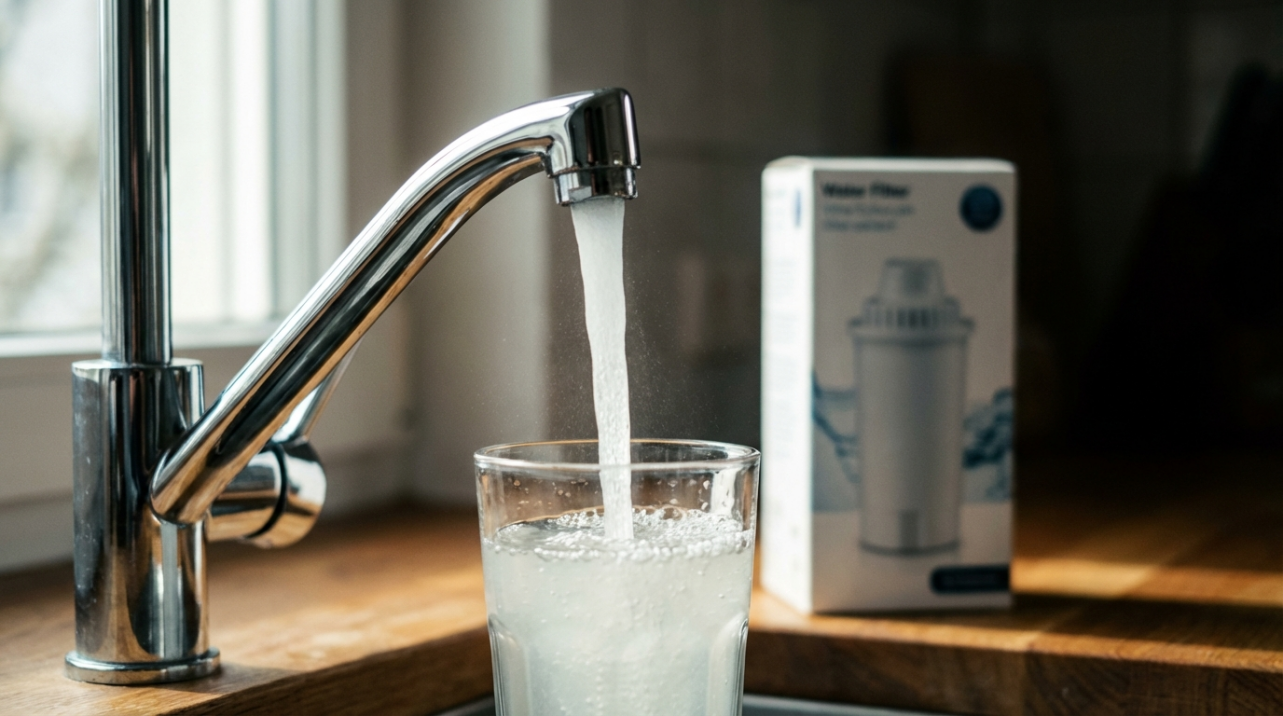
As a smart hydration specialist, I spend a surprising amount of time talking with people who say something like this: “I did the right thing, changed my water filter on time, and now the water actually looks or tastes worse. What went wrong?”
The good news is that this experience is common and, in many cases, temporary and explainable. The less comfortable news is that sometimes a post-replacement decline in water quality is a real red flag about installation, maintenance, or even your plumbing and source water.
Drawing on troubleshooting insights from professional plumbing companies, guidance from the Centers for Disease Control and Prevention (CDC), health‑focused groups like Green America and the Environmental Working Group, and university research on filtration performance, this article explains why water quality can deteriorate right after a filter replacement and what to do about it in a practical, user‑friendly way.
When “Cleaner” Water Looks Or Tastes Worse
If you have ever replaced a cartridge and then watched cloudy, white, brown, or oddly tasting water pour out, it feels like the filter is failing at its single job. Homeowners on support forums describe under‑sink filters that turn water opaque white for days, even after following the manufacturer’s five‑minute flushing instructions. Water‑treatment companies and manufacturers also acknowledge complaints about noisy faucets, strange tastes, and weak flow after new filters go in.
Understanding the “why” starts with one simple idea: a filter replacement is not just a quiet swap of media. It disturbs water flow, releases trapped air, shifts pressure, and sometimes exposes deeper issues in plumbing or source water that the old, clogged filter was hiding. In other words, the system is being reset, and any weaknesses tend to show up right then.

Short-Term Changes After A New Filter That Are Actually Normal
Some changes right after a replacement are expected and generally harmless, even if they do not look pretty in a glass. Recognizing these normal effects helps you avoid overreacting and gives you a clear sense of when to wait and when to escalate.
Cloudy Or White Water From Air Bubbles
Several troubleshooting guides on new filters describe cloudy or white water in the first hours to days after installation. A case from a Whirlpool under‑sink system shows water turning almost solid white after cartridge changes, then gradually clearing with repeated use. Similar to that experience, manufacturers and water‑treatment companies note that brand‑new housings and cartridges often trap air in the filter media and plumbing. When water starts flowing again, that air is broken into a cloud of microbubbles.
A sediment and discoloration guide from a filtration company explains that cloudy water immediately after installing a new filter is common and usually temporary, especially when it appears milky and then clears from the bottom of the glass upward as bubbles rise. The same source notes that when trapped air is the primary cause, clarity often improves within roughly a day or two once the system has been flushed according to the manufacturer’s instructions.
In practical terms, that means you can expect some cloudiness right after a filter change, especially if the instructions tell you to flush for several minutes or several gallons. If you imagine a faucet that delivers about 1 gallon of water per minute, a recommended five‑minute flush would push about 5 gallons through the new cartridge. That feels like a lot of water, but it is part of purging air and fine particles so the filter can settle into normal operation.

If the water remains white or murky for more than a couple of days of normal use, or never clears within a glass, that moves out of the “normal new filter” zone and into the troubleshooting zone described later.
Black Specks Or Gray Cloudiness From Carbon Fines
Many home filters use activated carbon. Guidance from a major appliance manufacturer notes that new carbon‑based filters can shed small black particles, often called carbon fines. These may appear as pepper‑like specks or a faint gray haze in the glass right after a cartridge change.
This manufacturer explains that small amounts of these carbon particles are usually not considered a health concern and are expected to wash out after flushing several gallons, which is why manuals stress running water for a few minutes before drinking. A separate article on fast‑browning filters also points out that loose carbon fines are a common cause of short‑term cloudiness and that a good flush plus proper seating of the cartridge typically resolves the issue.
From a user perspective, it is understandably unsettling to see black particles in “filtered” water, but if they match the description of carbon fines and disappear after thorough flushing, they do not necessarily indicate that the water is dirtier than before. The filter is simply shedding loose media from the manufacturing process. Persistent, heavy, or metallic‑looking particles are a different story and warrant a pause on drinking until the source is identified.
Temporary Noises And Flow Changes
After a filter change, some homeowners report gurgling, hissing, or rattling sounds at faucets or filter housings. A water‑conditioning company notes that noisy faucets commonly appear after installing a new filtration system or replacing a filter and often decrease on their own as trapped air and pressure imbalances resolve. Another plumbing firm that specializes in whole‑house filters adds that air pockets and sudden pressure shifts can cause knocking pipes, brief flow surges, and other sounds right after servicing.
As long as the noise gradually fades and there are no leaks or pressure drops, these sounds are usually a side effect of the system adjusting rather than a sign of poor water quality. Continuing noise combined with visible leaks, discolored water, or very low pressure, however, should prompt a closer look.

When Water Truly Gets Worse After A New Filter
Not every post‑replacement issue is harmless. The same sources that describe normal short‑term cloudiness also document situations where water quality really does deteriorate after filter replacement. The common pattern is that replacement was done without fully addressing contamination in the housing, plumbing, or source water, or that the filter type or installation was mismatched to the actual contaminants.
Old Filters, Biofilm, And Mold That Do Not Magically Disappear
Several water‑treatment and maintenance resources warn that filters left in service too long gradually turn from protective barriers into contamination risks. Articles on overdue filters explain that saturated cartridges can become breeding grounds for bacteria and biofilm, particularly in carbon‑based and whole‑house systems. A home filtration provider notes that neglected filters can harbor harmful substances, leading to slimy residue or mold around fixtures, cloudy water, and unpleasant tastes or odors.
One plumbing and filtration company points out that mold is a frequent issue in moist, warm filter housings when cartridges are not cleaned or replaced on schedule. Another warns that old filters loaded with hard‑water particles and debris not only reduce flow but also increase pressure in pipes and fixtures, which can drive more contaminants into the system.
When you finally replace a very overdue filter in a system like this but do not sanitize the housing, you may dislodge accumulated slime, rust, or organic material. That material can pass through the new cartridge in the first hours or days, making the water look or taste worse even though the cartridge itself is fresh. Guidance from several companies recommends thoroughly washing housings with mild soap or appropriate sanitizer during each replacement and letting them dry where possible, rather than simply swapping cartridges. The CDC similarly recommends using gloves, cleaning housings, and washing hands after filter changes to reduce exposure to trapped contaminants.
If you see slime, dark deposits, or mold in a clear housing, or notice musty, earthy, or sulfur‑like smells immediately after putting in a new filter, the problem is unlikely to fix itself. That is the time to pause consumption, sanitize the system according to manufacturer or professional instructions, and consider having a qualified technician inspect for deeper biofilm inside plumbing or additional stages.
Installation Mistakes That Let Contaminants Slip Through
Professional troubleshooting guides are remarkably consistent on one point: a new cartridge can only improve water quality if it is correctly matched to the system and properly seated.
A whole‑house filtration guide from a plumbing company details how leaks often occur at housing seals, O‑rings, and pressure‑release buttons. If O‑rings are worn, dirty, or missing, or if the housing is cross‑threaded or over‑tightened, water can bypass around the filter media. Another article on the importance of using the correct replacement cartridge explains that filters are not universal; even small differences in size or design can allow unfiltered water to slip past the cartridge, and some generic cartridges may leach their own impurities.
Several sources, including SpringWell, Dupure, and Complete Home Filtration, emphasize using system‑specific replacement filters, ordered by exact model number, rather than guessing based on dimensions alone. They also note that ignoring the manufacturer’s replacement schedule can lead to clogged filters that release trapped contaminants back into the water.
The CDC reinforces this by pointing out that home water filters only help if they are designed and certified to remove the specific contaminants present. It recommends checking certifications from organizations such as NSF International and the Water Quality Association and matching filter technology to the contaminants in your water.
In practice, this means that if your water suddenly smells strongly of chlorine or tastes metallic or earthy right after a cartridge change, it might not be a normal “break‑in” phase. It could signal a mis‑seated cartridge, a non‑compatible replacement, or a housing problem that is allowing untreated water to bypass the filter altogether. In that case, turn off the filter, inspect the installation carefully, and, if needed, call a professional.

Underlying Plumbing Or Source Water Problems A New Filter Cannot Fix
Another reason water may seem worse after a replacement is that the real problem is not the cartridge at all. Several plumbing and water‑treatment companies stress that poor water quality can originate in household plumbing, especially older galvanized or iron pipes that shed rust flakes and iron particles. A water‑conditioning company notes that if water quality remains poor even though the filter and purifier appear to be working, the issue may lie in broken or compromised pipes that let in foreign materials.
A sediment and discoloration guide explains that very rapid browning of a new filter often means it is capturing a heavy load of dirt, sand, rust, or silt from private wells or aging municipal lines, sometimes made worse by nearby construction. Naturally occurring iron and manganese can also oxidize into reddish‑brown or black deposits that stain filters and fixtures and change taste. Tannins from decaying vegetation can color water yellow to brown. In such conditions, filters may clog much faster than the typical three to six months and water may still look discolored even when the filter is functioning as designed.
Beyond visible sediment, there is the issue of changing chemical contaminants. An article on residential water treatment notes that changes in local water quality can introduce new contaminants your current system was never designed to remove, as in regions known for hard water where additional pollutants appear over time. Green America highlights that federal drinking‑water regulations cover only a limited number of contaminants and have not been fully updated in decades, while the Environmental Working Group’s tap water analyses often identify additional chemicals of health concern that may not be effectively removed by standard carbon filters.
Research from Duke University and North Carolina State University on PFAS (“forever chemicals”) in North Carolina found that under‑sink reverse osmosis systems removed these compounds very effectively, while some whole‑house filtration systems actually increased PFAS levels in tap water. The study underscores that not all filters improve every contaminant, and some system designs can make certain problems worse.
When water quality appears to deteriorate after a new filter, especially if you live near industrial activity, agriculture, or older infrastructure, that may be your cue to test the water rather than blame the cartridge. The CDC recommends testing private wells at least annually and whenever taste, color, or smell changes, using state‑certified laboratories identified by local or state health departments. For people on public supplies, reviewing the annual water quality report and cross‑checking it with independent resources like the Environmental Working Group’s tap water database can clarify which contaminants need attention.
Why A “Better” Filter Can Change Taste And Minerals
One of the most confusing experiences for homeowners is that a more advanced filter sometimes makes water taste “flat,” “empty,” or simply “off,” even as it removes more contaminants. That perceived drop in quality is often about minerals and fluoride rather than new pollutants.
Filters That Strip Beneficial Minerals And Fluoride
The CDC notes that home water filters can remove both harmful and beneficial substances. For example, they can strip out chlorine, which is important for disinfection, and fluoride, which helps prevent cavities when present in controlled amounts. It even suggests that if your tap water already meets safety standards, you might reasonably decide not to filter it at all rather than lose these benefits.
A clinical study of popular pitcher filters looked at how nine different products changed fluoride, calcium, magnesium, sodium, and potassium in tap water. The researchers found that some pitchers significantly reduced fluoride but did not remove it completely, contradicting manufacturers’ claims of near‑total fluoride removal. Many pitchers also lowered calcium and magnesium, which support tooth remineralization, and some altered sodium and potassium levels. The study’s authors concluded that pitchers differ widely in how they affect beneficial minerals and that some products may unintentionally strip components that support oral health.
Green America’s guidance on filtration echoes this broader point for other technologies. It notes that reverse osmosis systems are among the most effective at removing difficult contaminants like arsenic and certain industrial chemicals, but they also waste water and remove helpful minerals such as calcium, magnesium, and iron. A separate review on kitchen filters warns that long‑term consumption of very demineralized water has been linked in some research to increased cardiovascular risks, particularly in areas where water would otherwise be naturally mineral‑rich.
From a hydration‑wellness perspective, this means a high‑performance filter might deliver very low contaminant readings while also changing the mineral profile enough to affect taste and possibly long‑term health benefits. The result can be water that is, in a narrow chemical sense, “cleaner” but feels less satisfying to drink.
Taste Changes That Do Not Always Equal Danger
Taste is an invaluable early warning sign when something is wrong with your water, but it can also mislead you right after a filter upgrade. Dirty or exhausted filters allow chlorine byproducts, metals, or organic compounds to break through, leading to metallic, musty, or chemical tastes and odors. Several companies list these changes as classic signs that a filter needs replacing.
After a replacement, the opposite can happen: a new carbon filter may remove the chlorine smell you unconsciously associate with “treated” water, or a reverse osmosis system may lower total dissolved solids to the point where the water tastes very different from what you are used to. At the same time, if the replacement process dislodged old deposits or was done without cleaning the housing, you might get a short burst of off‑tastes from leftover contaminants.
So, if the water tastes different after a filter change, ask two questions. First, does the new taste resemble chlorine, metal, sulfur, mold, or earthiness, and does it get worse over time? That usually points to a filter or plumbing problem and warrants troubleshooting. Second, does the new taste simply feel flatter or more neutral while other signs (clarity, lack of odor, stable pressure) are positive? That may reflect a genuine change in mineral balance rather than contamination.
A Practical Game Plan When Water Quality Drops After Filter Replacement
When your water seems worse after a filter change, it helps to move from frustration to a structured check‑in. Research and professional guidance suggest focusing on a few key steps rather than guessing.
First, revisit the manufacturer’s instructions for your specific system. Most under‑sink, refrigerator, and whole‑house filters require you to turn off the water, relieve pressure, remove and clean the housing, insert the new cartridge making sure it is fully seated, and then flush for a specified time. Case studies where water stayed white or cloudy often involved systems that were flushed only once, even though the replacement instructions recommended several minutes of flushing every time. Following those steps exactly is not a formality; it is how you purge air, clear carbon fines, and confirm there are no leaks or bypass paths.
Second, perform a sensory check over the next day or two. Fill a clear glass and look for particles, color, or cloudiness. Note whether cloudiness clears from the bottom up, which suggests air bubbles. Smell for chlorine, rotten egg, musty, or earthy odors. Taste a small amount once you are reasonably confident the installation is correct, paying attention to metallic or chemical notes. Professional maintenance guides list these sensory cues as early warning signs of clogged or failing filters as well as plumbing issues.
Third, consider the system’s history. If you cannot remember the last time the housing was sanitized, or if the old filter looked slimy, rust‑coated, or heavily discolored, assume the system needs more than a quick cartridge swap. Several manufacturers recommend cleaning housings at every change, using mild soap or approved sanitizers, and letting components dry when possible to discourage bacteria and mold. Tankless reverse osmosis units, in particular, require periodic internal sanitation because chlorine is removed early in the process, leaving later stages more vulnerable to biofilm.
Fourth, evaluate whether the filter you installed is the right one. Check the model numbers on both the system and the cartridge. Guidance from SpringWell, Dupure, and others stresses that using cartridges that are merely “close enough” can compromise performance or even damage the system, while generic replacements, though cheaper, may be made from lower‑quality media. The CDC recommends verifying that the filter is certified to remove the contaminants of concern in your area, rather than assuming any “universal” cartridge will do the job.
Finally, if problems persist beyond a couple of days or are severe from the start, step back and consider testing. For private wells, CDC and environmental health agencies recommend annual testing, plus additional tests whenever color, taste, or smell change. For municipal water, reviewing your system’s quality report and comparing it with independent databases can reveal emerging issues. Professional plumbers and water‑treatment specialists can also perform on‑site tests and inspect for corroded pipes, high sediment loads, or other structural problems that no point‑of‑use filter can fully solve on its own.
Quick Symptom Guide: Normal Versus Concerning
To bring these ideas together, the table below contrasts common post‑replacement symptoms using patterns described by manufacturers, service companies, and research groups.
Symptom right after replacement |
Most likely explanation in the research |
Typical pattern if normal |
When to escalate and seek help |
Brief cloudy or white water without particles |
Trapped air and microbubbles or minor carbon fines after a new filter, as described by several filter manufacturers |
Clears within a day or two of normal use; cloudiness in a glass fades from bottom to top |
Cloudiness persists for several days, never clears in the glass, or is accompanied by bad taste or odor |
Black specks or gray tint |
Carbon fines from new activated carbon filters, noted by appliance makers |
Decreases significantly after flushing several gallons per instructions |
Heavy, metallic, or sand‑like particles that continue after flushing, or particles appearing at multiple fixtures |
New flat or “empty” taste but no odor |
Changed mineral or fluoride content after switching to more aggressive filtration, consistent with pitcher and reverse osmosis studies |
Stable taste and clear, odor‑free water once the system has broken in |
Metallic, chemical, sulfur, or moldy taste that appears or worsens after replacement |
Brown water or rapidly browning filters |
High sediment, rust, or iron and manganese from wells or older lines, as described by sediment and troubleshooting guides |
Filter protects by catching contaminants but may clog faster than expected |
Visible discoloration combined with pressure drops, plumbing leaks, or lack of recent testing of source water |
Persistent bad odor or slimy residue |
Bacteria, mold, or biofilm in neglected filters and housings, warned about by multiple maintenance articles |
Not considered normal after a proper replacement |
Stop drinking the water, sanitize the system, and consult a professional for inspection and possible re‑design |
Replacing Filters So Water Quality Consistently Improves
The long‑term goal is not just to get through the first few days after a filter change; it is to make each replacement a reliable upgrade in water quality. The most consistent advice across CDC guidance, non‑profit health organizations, and professional service providers comes down to four habits.
First, match your filter technology to your actual contaminants. Carbon filters are excellent for improving taste and reducing chlorine and some organic chemicals, but they do not remove many dissolved ions or more stubborn pollutants. Reverse osmosis systems remove a much broader set of chemicals, including many heavy metals and industrial compounds, but they also waste water and strip minerals. UV disinfection is powerful for killing microbes but does not remove chemicals. The CDC explicitly states that no single filter removes all possible contaminants and often recommends combinations, such as carbon plus reverse osmosis or carbon plus UV, depending on testing results.
Second, follow a realistic replacement schedule instead of waiting for obvious problems. Multiple companies suggest that sediment and carbon filters typically need changing somewhere in the six to twelve‑month window, while reverse osmosis membranes often last two to five years, depending on water quality and usage. Other guidance suggests that whole‑house cartridges may need replacement every three to six months in sediment‑heavy areas. Rather than memorizing exact numbers, work with your installer or system provider to set a schedule tailored to your water conditions and family size and then track dates on a calendar or in a phone reminder.
Third, treat maintenance as hygiene, not just mechanics. That means washing housings, checking and lubricating O‑rings with appropriate silicone grease, and occasionally sanitizing systems according to manufacturer instructions. It also means handling old filters carefully, as the CDC cautions that they concentrate contaminants. People with weakened immune systems are encouraged not to change filters themselves due to potential exposure to trapped germs.
Fourth, view filtration as a partnership with your broader water system, not a complete solution in isolation. Green America and the Environmental Working Group emphasize that while home filters are essential stop‑gap tools, especially in communities facing contamination crises, they do not replace the need for strong infrastructure and regulation. The Duke PFAS research reinforces this by noting that even the best under‑sink reverse osmosis units are ultimately temporary shields unless industrial discharges are controlled. For your own home, that means staying informed about local water issues, engaging with utilities and community efforts, and seeing your filter as one part of a larger water‑wellness strategy.
Short FAQ
Why does my water look worse right after I replace the filter, even if I follow the instructions?
Most commonly, you are seeing trapped air or loose carbon fines, both of which are widely documented by appliance makers and filter manufacturers as normal in the first few minutes to days after replacement. If the water clears within a day or two of regular use and does not smell or taste bad, it is probably a temporary startup effect. If cloudiness, particles, or odors persist, you may be dealing with biofilm in the housing, an installation issue, or underlying plumbing or source‑water problems that the new filter alone cannot fix.
Can a new filter actually make my water less safe?
Unfortunately, yes in some situations. If a cartridge is the wrong size or type, if housings and O‑rings are damaged, or if whole‑house systems are not carefully designed, water can bypass the filter or, in rare cases, certain contaminants can even increase, as seen in research on some whole‑house PFAS systems. Overdue or poorly maintained filters can also support bacterial growth that is not fully eliminated by simply swapping the cartridge. This is why the CDC and multiple service providers stress correct cartridge selection, regular maintenance, and periodic professional inspection.
How do I know when to get my water tested after a filter change?
Testing is wise if you notice persistent changes in color, cloudiness, taste, or odor that do not improve after following the manufacturer’s flushing and cleaning steps. It is especially important if you use a private well, live in an area with known contamination issues, or have vulnerable household members such as young children, pregnant women, or immunocompromised adults. The CDC recommends using state‑certified laboratories and consulting local or state health departments to decide what to test for.
In the end, a filter change should be a confidence‑building moment, not a reason to doubt your tap. When you understand which post‑replacement changes are normal, which signal deeper issues, and how to choose and maintain the right system, you turn every cartridge swap into a step toward safer, more enjoyable hydration at home.
References
- https://www.cdc.gov/drinking-water/prevention/about-choosing-home-water-filters.html
- https://pmc.ncbi.nlm.nih.gov/articles/PMC11927951/
- https://news.duke.edu/stories/2020/02/06/not-all-in-home-water-filters-completely-remove-toxic-pfas/
- https://greenamerica.org/your-green-life/optimize-your-tap-water
- https://ovpw.net/dangers-not-changing-water-filter/
- https://adamswater.com/five-common-water-filter-problems/
- https://www.basicwaterneeds.com/faq/
- https://callwisler.com/troubleshooting-common-issues-with-water-treatment-systems/
- https://www.completehomefiltration.com.au/importance-of-regular-filter-changes/
- https://products.geappliances.com/appliance/gea-support-search-content?contentId=22189

Share:
Key Differences Between Membrane Blockage and Insufficient Pump Pressure
Strategies for Calibrating Drift in Smart Sensors Effectively in Home Water Systems