

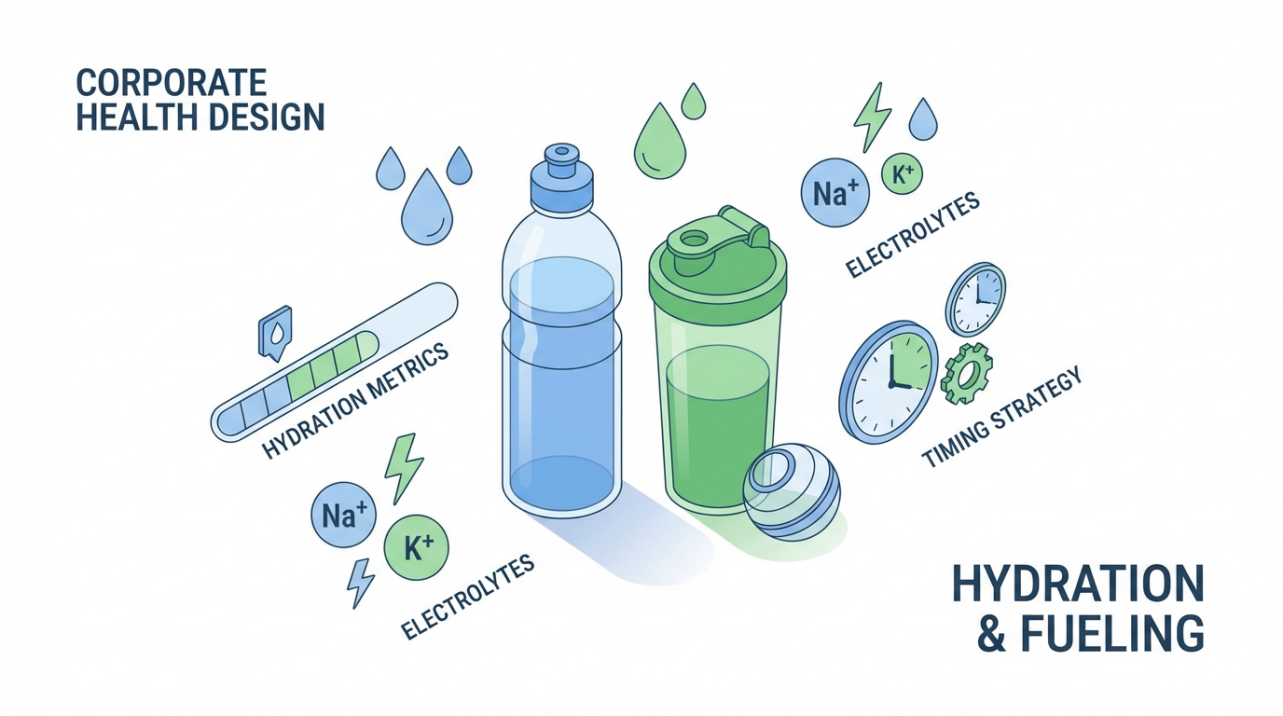
As someone who spends most days looking at water bottles and lab printouts instead of recipe books, I see a pattern over and over: people can follow a long-term meal replacement plan almost perfectly, yet feel tired, constipated, bloated, or stuck with their weight loss because their hydration strategy has not kept up with their new way of eating.
If you rely on shakes, bars, or even more intensive approaches like elemental formulas for months at a time, your hydration needs are not quite the same as someone eating three traditional plate-style meals. The good news is that you can make hydration work for you with a few science-backed adjustments, rather than adding yet another complicated rule.
In this guide, I will walk through the big decisions you are probably already asking yourself:
- How much should I really be drinking when most of my meals are liquid?
- What should I drink with or instead of my shakes?
- When should I drink to support appetite, metabolism, and comfort?
- When do electrolytes and water-rich foods matter, and when are they just marketing?
- What is different if you are on a full or half-elemental diet instead of standard shakes?
Throughout, I will pull in findings from organizations such as Cleveland Clinic, CU Anschutz Health and Wellness Center, Harvard Health Publishing, the National Academies of Medicine, NutritionFacts, WebMD, and others, and combine those with what I see in real-world clients using long-term shake or elemental programs.
Why Hydration Changes When Most Meals Are Shakes
The hidden hydration shift
In typical US diets, about one fifth or more of daily water intake comes from solid food, especially fruits and vegetables, according to a major review on water and health that analyzed national survey data. When you swap many of those foods for shakes, bars, or elemental formulas, you change not just calories and protein, but also where your water and electrolytes are coming from.
Water is still the most critical nutrient. Reviews in medical literature note that humans survive only a few days without it, that it makes up roughly three quarters of body weight in infants and more than half in older adults, and that even a few hundred milliliters of deficit can trigger thirst, hormonal changes, and kidney concentration mechanisms. In other words, your body notices small hydration mistakes quickly.

On long-term meal replacement plans, I typically see two opposite problems. Some people assume their liquid shakes are “enough water” and barely drink anything else, then wonder why they have headaches, dark urine, and sluggish bowels. Others overcorrect and start chugging enormous amounts of water on top of multiple large shakes, then run into bloating, low sodium risk, or sleep disruption from endless bathroom trips.
The goal is to move away from guessing and toward a personalized, evidence-informed plan.
How Much Fluid Do You Need On A Long-Term Meal Replacement Plan?
Using energy intake to estimate water needs
Different expert groups approach water needs in slightly different ways:
- A comprehensive review on water, hydration, and health suggests that under typical conditions, adults often need around 2.5 to 3 liters of total fluid per day, which is roughly 85 to 101 fluid ounces.
- The National Academies of Medicine frame total intake (from beverages plus food) at about 11 cups, or 88 fluid ounces, for women and 15 cups, or 120 fluid ounces, for men.
- The same scientific review argues that one of the best ways to express water needs is relative to energy intake: about 1 to 1.5 milliliters of water per kilocalorie eaten.
That last point becomes very useful if you are on a structured program where calories are fairly consistent. For example, on a 1,800 calorie plan, that rule of thumb suggests roughly 1.8 to 2.7 liters total water per day, or about 61 to 91 fluid ounces, from all sources. On a 2,200 calorie plan, it would be closer to a range of 74 to 111 fluid ounces.
Remember that this is total water, not just plain drinking water. Shakes, milk, tea, fruits, vegetables, and soups all contribute. In traditional solid-food diets, about 20 percent or more of that total often comes from food. If you are on a long-term shake-based plan, the formula in your shaker bottle is now one of your main “foods,” but you may be eating fewer water-rich fruits and vegetables unless your program explicitly includes them.
Adjusting for shakes, exercise, and climate
Several sources converge on the idea that your baseline requirement goes up with heat, humidity, and physical activity, and during illness with fever, vomiting, or diarrhea. For example:
- A major hydration review notes that in hot environments or heavy exercise, sweat losses can reach around two liters per hour, prompting daily needs as high as about six liters, or roughly 1.6 gallons.
- Public health guidance, such as from the CDC, reinforces that the body needs more water when you are physically active or when you have diarrhea, vomiting, or fever.
On the other hand, Better Health Channel data show that most adults lose around 2.5 to 3 liters per day under normal conditions, including water from breath, skin, urine, and stool, while older adults may lose slightly less but have blunted thirst.
If you are using meal replacements for weight loss or metabolic health, you may also be in a structured program like the CU Anschutz Health and Wellness Center’s six-week “My New Lifestyle” program. Their model typically uses one to three meal replacements per day plus fruits, vegetables, and healthy fats. In that mixed pattern, your shakes supply a substantial portion of fluids, but the produce still helps.
A practical way to think about your daily target is this:
- Start from an energy-based estimate. If your plan is around 1,500 to 2,000 calories, your total water needs will usually fall somewhere in the 50 to 100 fluid ounce range under typical conditions, depending on body size and environment.
- Subtract the fluid you are already getting from your shakes and obvious liquids. A typical ready-to-drink shake is 8 to 11 fluid ounces; if you drink three per day, that is around 24 to 33 fluid ounces. If you mix powders with water, that mixing liquid counts as well.
- The remainder is your plain-water and unsweetened beverage “budget” to spread across the day.
For example, imagine you are on a three-shake plan, each mixed with 12 fluid ounces of water, and one vegetable-heavy meal. The three shakes alone give you 36 fluid ounces. If your total target is 90 fluid ounces, you still want roughly another 54 fluid ounces from plain water, tea, or other low-calorie beverages. That could be a 16 ounce glass on waking, another 16 ounces mid-morning, and smaller servings with your meal and in the afternoon and evening.
Two final guardrails are important. First, a major hydration review estimates that healthy kidneys can usually excrete up to about one liter of water, roughly 34 fluid ounces, per hour. Second, NutritionFacts summarizes work showing that drinking much more than about three cups, or 24 fluid ounces, within an hour can dangerously dilute blood sodium in susceptible people. In other words, aim to spread your fluids steadily through the day instead of “catching up” all at once.
What Should You Drink With Or Besides Your Shakes?
Plain water versus diet and caloric drinks
Most long-term shake users tell me some version of the same story: the shake is non-negotiable, but they feel “entitled” to keep their soda, juice, or sweetened coffee because “the shake is already healthy.” The evidence suggests that this is exactly backward if your goal is long-term weight management.
A systematic review on water intake and weight found that when adults replaced sugar-sweetened beverages with water, predicted daily calorie intake fell by about 200 calories. In children, modeling suggested that replacing sugary drinks with water could trim roughly 235 calories per day. Another large school-based study in Germany installed water fountains and encouraged students to drink more water; after a school year, water intake was higher and the risk of overweight was about 31 percent lower compared with control schools.
Other analyses, including those summarized by a comprehensive review in the public health literature, show that when people replace caloric drinks like sodas, juice, and whole milk with water, their daily energy intake can drop by about 10 to 13 percent of calories, without any other diet changes. WebMD has highlighted related research showing that as little as one extra cup of water per day is associated with eating about 68 fewer calories; three extra cups correlate with about 205 fewer calories.
In my own practice, the biggest breakthroughs rarely come from tweaking the shake formula itself. They come when someone finally gives up that one or two sugary drinks per day and uses plain water as the default choice.
What about diet sodas and artificially sweetened beverages? The systematic review and National Health and Nutrition Examination Survey data suggest that diet beverages, like water, do not drive calorie intake up the way sugary drinks do, at least in the short term. However, NutritionFacts points out that many diet beverages have much higher dissolved solids than plain water and may not trigger the same low-solute, noradrenaline-related metabolic boost that plain water does. Better Health Channel and other public sources also raise concerns about artificially sweetened drinks perpetuating a preference for sweetness and contributing to tooth enamel erosion due to acidity.
I generally encourage long-term shake users to let water be the star and unsweetened tea, black coffee, or sparkling water be the supporting cast, with diet drinks as an occasional tool rather than a daily staple.

Mixing shakes with water, milk, or plant milks
The other big drink decision is what you mix into your shake itself. This is where hydration and calorie control intersect.
Articles from Health.com and Protyze, along with meal replacement reviews, point out that water is effectively calorie-free, sugar-free, and fat-free. When you mix a standard 30 gram scoop of whey protein with water, you usually get around 100 to 130 calories and roughly 23 to 25 grams of protein, depending on the brand. The same scoop mixed with one cup of whole milk jumps to roughly 249 calories and about 33 grams of protein. Low-fat milk adds somewhat fewer calories but still carries extra carbohydrates and a bit of fat.
Milk has advantages. It is about 90 percent water, so it counts toward hydration, and it naturally contains whey and casein proteins, along with calcium, potassium, and other nutrients. Studies summarized by Health.com suggest that milk after exercise can help replenish glycogen, support muscle growth, reduce soreness, and rehydrate as effectively as some commercial recovery drinks.
From a hydration and weight-management perspective, you can think of your options this way:
Shake base |
Hydration and calorie profile |
Best fit for… |
Water |
Zero calories from the liquid; reflects only the powder’s nutrition; fast digestion and a light feel |
Weight loss phases, people drinking multiple shakes per day, those watching carbohydrates or with lactose intolerance |
Cow’s milk |
Adds roughly 8 grams of protein and around 150 calories per cup, plus lactose carbohydrates and some fat; thick, creamy texture |
Muscle gain, underweight individuals, those who struggle to eat enough in solid meals |
Soy or higher-protein plant milks |
Soy milk provides around 9 grams of protein per cup with calories similar to cow’s milk; other plant milks vary widely |
Vegans who want extra protein and creaminess; people replacing dairy due to allergy or preference |
Low-calorie plant milks (almond, cashew, some oat) |
Often low in protein but add creaminess and a bit of flavor with fewer calories than dairy |
People wanting a middle ground between plain water and higher-calorie milks |
If you are trying to lose weight or maintain significant weight loss while using shakes long term, using water as the default mixer and reserving milk-based shakes for specific situations, such as post-workout recovery or intentional weight gain, generally makes sense.
One practical pattern I often suggest is to mix most daytime shakes with cold water, then, if needed, enjoy a milk- or soy-based shake as a more substantial evening “meal” when appetite and cravings tend to spike. This keeps hydration high and calories controlled without making your plan feel austere.
When To Drink: Timing Water Around Shakes And Meals
Pre-shake water for appetite and metabolism
You have probably heard the advice to drink a glass of water before meals to help with weight loss. The evidence is not magic-pill strong, but it is surprisingly consistent when applied in a realistic way.
Clinical trials from Virginia Tech, summarized in a systematic review on water and weight, found that older adults following a low-calorie diet lost more fat mass over 12 weeks when they were instructed to drink about 500 milliliters of water, roughly 17 fluid ounces, before each meal compared with those who did not receive that guidance. Another study reported a trend toward greater total weight loss over six months in the pre-meal water group. Medical News Today describes a trial in which overweight women who drank 500 milliliters of water 30 minutes before each main meal for eight weeks reduced body weight, body fat, and body mass index.
Harvard Health Publishing notes that, overall, these studies are small and short-term, and the extra weight loss is modest rather than dramatic. The likely mechanisms are straightforward: water takes up space in the stomach, increases feelings of fullness, and can help some people distinguish thirst from hunger, leading them to eat slightly less at the meal. There is little support for the idea that warming water itself burns meaningful calories.
NutritionFacts brings in another interesting piece. When people drink about two cups of plain water on an empty stomach, some studies have found a rise in the hormone noradrenaline and an increase in metabolic rate of up to about 30 percent within an hour. That effect appears to rely on the low solute concentration of plain water; the same volume of saline, juice, or diet beverages does not trigger it. In some randomized trials, people who used this strategy of drinking plain water before meals lost about 40 percent more weight than controls.
Not everyone responds the same way. People taking beta-blocker medications, often ending in “-olol,” may not experience the same noradrenaline-related boost, and those with heart or kidney failure may need to avoid extra water altogether and should only change fluid intake under close medical supervision.
For most otherwise healthy adults using long-term meal replacements, a realistic pattern is to drink about two cups of cool or cold plain water roughly 30 minutes before two or three main intake times per day, whether that is a shake, a solid meal, or a combination. This aligns with the research, stays under the safety ceiling of about three cups per hour, and often provides a noticeable improvement in satiety.
Drinking with meals and shakes: digestion myths versus reality
Another common question I hear is whether drinking water with shakes or meals will “dilute stomach acid” and interfere with digestion. A detailed review on drinking liquids with meals, summarized by Healthline, finds no evidence for that concern.
Digestion begins with chewing and saliva in the mouth, continues as food mixes with acidic gastric juices in the stomach, and proceeds through the small intestine where enzymes and bile break nutrients down for absorption. The digestive system adjusts its secretions to match the meal; water intake does not meaningfully weaken stomach acid or the activity of digestive enzymes. Liquids empty from the stomach more quickly than solid food, but they do not appear to change the digestion speed of the solid portion.
In practice, sipping water with your shake can help you go slower, take pauses between gulps, and better notice fullness cues, which may actually support weight control rather than harm it. The exception is if you personally experience reflux, bloating, or discomfort when you drink during meals; in that case, you can favor more of your water intake in the 30 minutes before and the hour after eating or drinking your shake.
The most important rule is not “never drink with meals,” but “do not overdo water all at once.” Multiple sources, including Better Health Channel and physicians writing about hyponatremia, highlight that water intoxication occurs primarily when large amounts are consumed in a short period, overwhelming the kidneys’ ability to excrete it and driving blood sodium to dangerously low levels. Symptoms include headache, confusion, cramps, and in extreme cases seizures or coma. While this is rare in the general population, it has been reported in endurance athletes and in people with mental health conditions who consume excess water compulsively.
Spreading fluids throughout the day and respecting any limits given by your doctor is a much safer and more sustainable strategy.
Electrolytes, Water-Rich Foods, And Digestive Comfort
Do you really need electrolyte drinks?
Electrolytes are minerals such as sodium, potassium, magnesium, calcium, chloride, phosphate, and bicarbonate that carry an electric charge in your body’s fluids. UCLA Health points out that these charged particles are essential for nerve signaling, muscle contraction, heart rhythm, blood pressure regulation, and acid–base balance. They are present in blood, lymph, urine, sweat, and other fluids.
Everyday life already includes a steady flow of electrolyte loss through urine and sweat. For people who are not doing prolonged intense exercise and are not dealing with heavy vomiting or diarrhea, UCLA Health and other expert sources emphasize that a balanced diet is usually enough to replace these losses. Vegetables, fruits, dairy, nuts, seeds, legumes, and lean meats naturally supply electrolytes in forms the body can use. Many meal replacement shakes are fortified with sodium, potassium, calcium, and magnesium as well.
Special electrolyte powders and drinks can be helpful in specific situations: severe gastrointestinal illness, medically supervised rehydration, or very long, hot training sessions. However, those products vary widely in composition and often contain significant amounts of sugar or artificial sweeteners. Overuse, especially in people who are not truly depleted, can actually skew electrolyte levels in the wrong direction.
For long-term shake users who are not heavy endurance athletes, I generally recommend making sure your shakes and any solid meals include sources of potassium and magnesium (through fruits, vegetables, and nuts when allowed), salting food to taste unless you have a sodium restriction, and reserving dedicated electrolyte drinks for times of high heat, prolonged sweating, or illness, ideally in consultation with your healthcare provider.
Using food to stay hydrated on partial meal replacement plans
If your plan is more like the CU Anschutz Center’s “one to three meal replacements plus fruits and vegetables,” food becomes a powerful hydration ally.
Harvard Health Publishing notes that many fruits and vegetables are 70 to 95 percent water. Celery, cucumbers, and romaine lettuce are near the top at around 95 percent water, while foods such as grapes, peaches, and corn typically fall between 70 and 90 percent. Eating the recommended daily servings of fruits and vegetables can provide roughly two cups of fluid, or about 15 ounces, even before counting beverages.

Here is how that might look in your day as a long-term shake user:
- A morning smoothie that blends your meal replacement powder with water, frozen berries, and a handful of spinach will not only increase antioxidants and fiber but also add water from the fruit and greens.
- A large salad at your non-shake meal, built from lettuce, cucumbers, tomatoes, and bell peppers, contributes both fluid and electrolytes like potassium.
- Snacks such as orange slices, watermelon cubes, or grapes support hydration with minimal effort.
Better Health Channel emphasizes that solid foods typically supply around 20 percent of the body’s water needs in a standard diet, and Harvard data suggest a similar pattern. When meal replacements crowd out those food sources, maintaining a habit of at least a couple of high-water produce servings daily can restore that natural buffer, ease constipation, and make it easier to stay hydrated without feeling like you are constantly drinking.
Special Considerations On Elemental And Half-Elemental Diets
Elemental diets are a more intensive category of meal replacement used therapeutically for conditions such as small intestinal bacterial overgrowth (SIBO), small intestinal fungal overgrowth (SIFO), or severe gastrointestinal inflammation. Cleveland Clinic describes a full elemental diet as one in which all regular food is eliminated and replaced by liquid formulas of fully broken-down nutrients, often with only plain, additive-free tea allowed in addition to the formula. A half-elemental diet provides about half of daily calories from elemental formula and the rest from regular foods.
Managing symptoms, bowel changes, and hydration
Because elemental formulas are delivered as liquids, people often assume they cannot possibly become dehydrated while taking them. In reality, the picture is more nuanced.
Cleveland Clinic notes that early in an elemental diet, abdominal cramping is common because the liquid diet helps move out residual stool; gas and cramping can be uncomfortable but may indicate helpful clearing. At the same time, bowel motility often slows, which can feel like constipation even though it usually reflects a natural adjustment to lower residue. There can also be transient “detox” symptoms such as headaches, lightheadedness, nausea, and fatigue as the liver processes stored compounds or as microbial populations in the small intestine shift and die off.
From a hydration perspective, these symptoms can easily tempt people either to drink far too little (to avoid making nausea worse) or to sip endlessly out of anxiety. The practical approach I have found most helpful is to respect the fluid plan set by the prescribing provider, since they calculate both calories and formula volume, and then layer modest amounts of plain water between formula “meals” as tolerated.
Cleveland Clinic suggests coping strategies such as blending formulas with ice so they are very cold, sipping them slowly to reduce nausea, and drinking plenty of water between meals. Using a temperature-controlled bottle or thermos helps keep formula palatable when you are away from home, and staying engaged in non-food activities can distract from both hunger and discomfort in the early days.
Because elemental diets can alter gut flora and motility, it is particularly important to contact your care team promptly if you develop persistent vomiting, severe diarrhea, signs of dehydration such as very dark urine and dizziness, or if you have heart or kidney disease that affects fluid handling. In some cases, providers will recommend probiotics or prokinetic medications as you transition off the elemental plan, and your hydration strategy may evolve with that process.
Transitioning back to solid food safely
After completing a full elemental diet, Cleveland Clinic notes that foods are usually reintroduced slowly, often through a half-elemental phase or a low-FODMAP diet. This is a period when hydration needs careful attention, because fiber and osmotic loads change quickly.
Adding back higher-fiber foods without enough water can worsen bloating or constipation. On the other hand, piling large amounts of high-FODMAP fruits, juices, or sugar-alcohol-sweetened drinks on top of a gut that is still sensitive can drive diarrhea and electrolyte loss.
A gentle approach is to:
- Continue spacing water regularly through the day, rather than suddenly chugging large volumes with new foods.
- Pair each new or larger portion of fiber-rich food with some extra water over the following hours.
- Use urine color, energy levels, and stool consistency as feedback, alongside your provider’s guidance, to adjust both fluid and fiber progression.
Think of this stage as teaching your digestive system how to coordinate solid food, fiber, and water again after a period of “gut rest.”
Putting It All Together: A Day Of Smart Hydration On Shakes
To see how all of this can work in real life, imagine an adult on a long-term plan that includes two meal replacement shakes and one whole-food meal, aiming for about 90 fluid ounces of total water daily in a temperate climate.
On waking, they start with a 16 ounce glass of plain tap water, maybe filtered and chilled if that makes it more appealing. This begins rehydration after overnight losses and counts toward both hydration and weight-management goals that studies from WebMD and others connect with slightly lower calorie intake over the day.
About 30 minutes before their first shake, they drink another 12 to 16 ounces of cold water. That timing is consistent with trials from Virginia Tech, Medical News Today, and analyses summarized by Harvard Health and NutritionFacts, which show modest but meaningful benefits on fullness and calorie intake when about two cups of water are consumed shortly before a meal.
They mix their first shake with water rather than milk, keeping calories controlled and digestion light. Late morning, they sip another 8 to 12 ounces of water or unsweetened herbal tea, staying well below the upper excretion limit of roughly one liter per hour described in hydration reviews.
At lunch, they have a large salad with high-water vegetables such as lettuce, cucumbers, and tomatoes, which Harvard Health lists among the most water-rich foods. Alongside the meal, they sip water comfortably, knowing that evidence does not support the idea that water with meals harms digestion. The vegetables contribute an extra glass or so of fluid and valuable electrolytes.
Mid-afternoon, another 12 to 16 ounces of water, maybe lightly flavored with lemon, keeps hydration on track and helps avoid mistaking thirst for snack cravings, a confusion that Novell PCP and others highlight as a common barrier in weight-loss meal planning.
Before dinner, they repeat the pre-meal water strategy, then enjoy either a second water-based shake or, if muscle gain is a priority and dairy is tolerated, a shake blended with milk. Health.com notes that this pattern can support muscle repair and glycogen replenishment when timed after exercise.
By evening, they have comfortably spread their fluid intake across the day, hit their approximate volume target, kept calories from drinks in check, and avoided extremes that could stress the kidneys or dilute electrolytes.
Customized versions of this pattern can be built around elemental plans, vegan shakes, or more aggressive weight-loss programs, but the underlying principles are the same: let water and water-rich foods do their quiet work in the background while your meal replacement plan focuses on macros and micronutrients.
Brief FAQ For Long-Term Meal Replacement Users
Do shakes themselves “count” toward my water intake?
Yes. If you mix your powder with water, that liquid counts fully toward your daily fluid goal. Ready-to-drink shakes count as well, since they are mostly water. Just remember that if you start mixing with milk or juice, you are adding calories and sugar along with fluid, which matters for weight and blood sugar.
Is sparkling water okay, or do I need still water?
For most people, sparkling water without added sugar or sodium is perfectly acceptable and counts toward hydration. Some individuals find that carbonation worsens bloating or reflux, especially when they are already drinking large-volume shakes, so pay attention to how your body responds and adjust accordingly.
How can I tell if I am drinking the right amount?
General guidance from physicians and public health sources suggests that infrequent thirst, clear or light-yellow urine, stable energy, and regular comfortable bowel movements are signs that you are probably in a good zone. Dark urine, strong odor, headaches, fatigue, or constipation can indicate that you need more fluid, while frequent nighttime urination, persistent bloating, or symptoms of low sodium are reasons to speak with your clinician about dialing back or adjusting your pattern.
Staying well hydrated on a long-term meal replacement plan is not about carrying a gallon jug everywhere; it is about aligning what you drink, when you drink, and how you mix your shakes with what the science tells us about the body’s water and electrolyte needs. When you pair a thoughtfully designed shake program with equally intentional hydration, you do not just survive your plan—you give your brain, gut, and metabolism the conditions they need to thrive.
References
- https://news.cuanschutz.edu/health-and-wellness/meal-replacements-a-balanced-approach-to-nutrition
- https://www.health.harvard.edu/blog/does-drinking-water-before-meals-really-help-you-lose-weight-202402203018
- https://www.cdc.gov/healthy-weight-growth/water-healthy-drinks/index.html
- https://pmc.ncbi.nlm.nih.gov/articles/PMC2908954/
- https://my.clevelandclinic.org/health/treatments/22053-elemental-diet
- https://nutritionfacts.org/video/friday-favorites-optimizing-water-intake-to-lose-weight/
- https://www.uclahealth.org/news/article/diet-hydration-best-way-get-electrolytes
- https://www.health.com/protein-with-milk-or-water-11707117
- https://www.healthline.com/nutrition/drinking-water-helps-with-weight-loss
- https://www.medicalnewstoday.com/articles/322296

Share:
Is RO Water Ideal for Orchid Care Among Gardening Enthusiasts?
Guidelines for New Parents Choosing an RO System for Baby Formula