

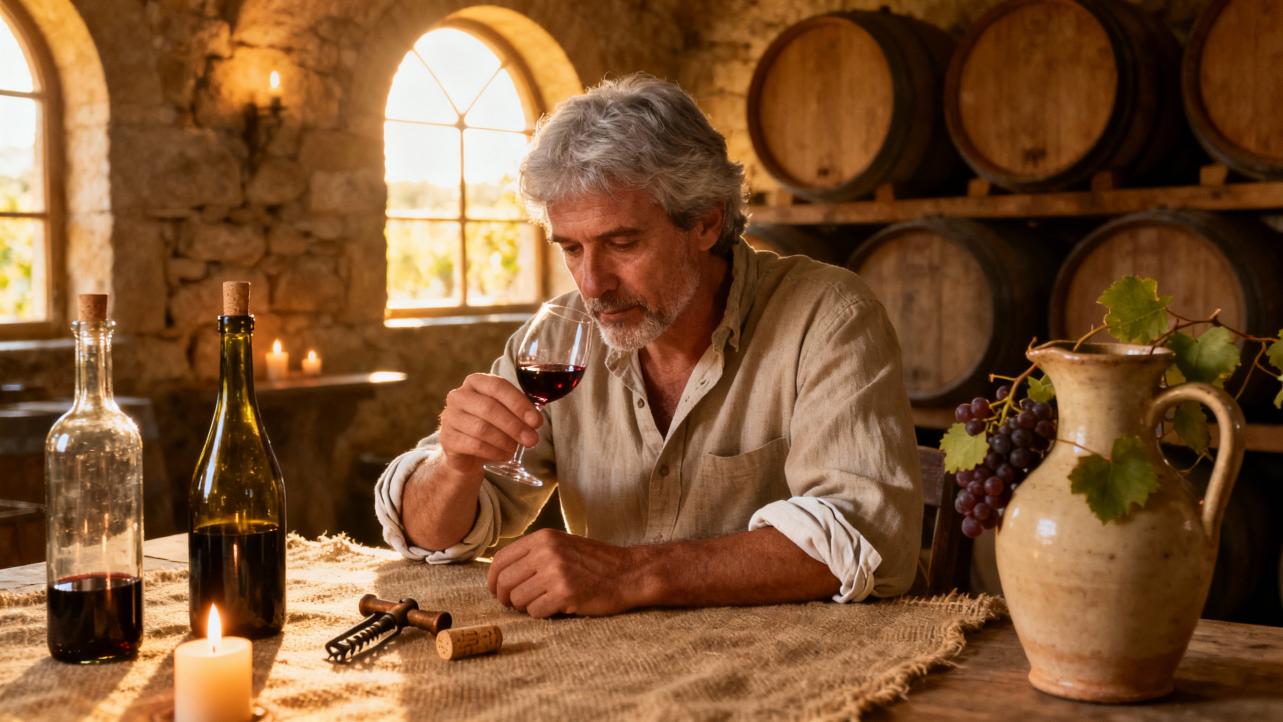
Walking into a Michelin three-star dining room, you notice the quiet choreography: the glide of servers, the glow of polished stemware, the almost meditative calm before the first course. Somewhere in that scene, usually just out of the spotlight, is the sommelier. Their work shapes how you taste every sip of wine and, as a Smart Hydration Specialist, I would add, how you experience every glass of water as well.
In the world’s most exacting restaurants, sommeliers are not simply “wine waiters.” They are sensory specialists, storytellers, and business strategists whose decisions affect your palate, your comfort, and the restaurant’s financial health. Understanding their role makes a Michelin-level meal less intimidating and far more rewarding, whether you drink a single glass, an extensive pairing, or mostly water with a few thoughtful tastes along the way.
What A Sommelier Really Does
Hospitality schools and industry guides describe the sommelier as a professional who combines deep wine knowledge with practical service and beverage-program management. Resources from hospitality institutes and sommelier education bodies emphasize that this is a professional designation rather than a protected legal title. The sommelier is expected to understand grape growing, wine regions and appellations, vinification techniques, sensory evaluation, and the principles of food–wine pairing, then turn all of that into clear, calm guidance at the table.
In restaurants, the role covers several layers. Behind the scenes, the sommelier sources wines from around the world that match the restaurant’s culinary vision and budget. Articles from hospitality insights platforms explain how they negotiate with suppliers, manage the cellar, and build balanced lists across styles, regions, and price points. Cellar management at the top level is meticulous: one South African hospitality article notes that a sommelier must know exactly where each bottle is stored, how it is aging, when it will be ready, and be able to retrieve it quickly during service.
On the floor, sommeliers act as ambassadors of hospitality. A master sommelier interviewed in a service-industry publication describes their job as sitting between management and service staff, able to see both operational bottlenecks and guest needs. That means they are not just discussing vintages. They are also pouring water, running plates, clearing glasses, and helping reset tables so the dining room flows smoothly. At a casual New York pizza restaurant profiled by SevenFifty Daily, multiple on-floor sommeliers helped transform a simple weeknight pizza into a memorable experience by building a distinctive culture around Champagne and Italian wines.
At Michelin three-star level, this same toolkit is amplified. The stakes are higher, the menus longer, and the expectations sharper. The sommelier must align a complex wine program with a highly choreographed tasting menu while keeping every guest, from curious beginner to seasoned collector, relaxed and engaged.

Inside A Three-Star Dining Room: How Sommeliers Shape The Experience
Fine dining is often described as a multi-sensory, immersive experience. An article from DiRōNA’s network of distinguished restaurants calls the sommelier “the bridge between kitchen and vineyard.” In a Michelin three-star setting, that bridge must carry an entire tasting journey.
The process usually begins before you ever see a bottle. Sommeliers work closely with the chef and restaurant manager to plan dishes and pairings. A menu-planning article from Sommelier’s Choice Awards explains that effective pairing is a team exercise: chefs bring ingredient and technique expertise, while sommeliers contribute deep wine knowledge and a broad understanding of global cuisines. Together, they design food–wine combinations that allow both elements to shine, rather than letting one overpower the other.
Treating wine as another “course” of food is central. Specialists in menu planning emphasize that wine has structure, weight, aftertaste, and nuance. The goal is balance. Delicate dishes call for similarly delicate wines; bold, rich courses can support more tannic reds or intensely aromatic whites. High-acid wines are especially useful with rich or creamy dishes because their tang cuts through heaviness and prevents palate fatigue. Tannic reds, which can feel astringent alone, soften when paired with red meat or cheese, because the tannins bind to fat in the food.
In three-star environments, where tasting menus may stretch over many courses, the sommelier also designs the overall arc of the wine journey. Sometimes that means reordering dishes so the progression of flavors and wine styles feels coherent. Diners might move from crisp, high-acid whites to fuller-bodied selections, then to reds, then to sweet or fortified wines with dessert. The sommelier must manage this flow so that each wine feels appropriate in the moment, your palate stays engaged, and the cumulative alcohol load does not overshadow the food.

Beyond The Bottle: Storytelling, Culture, And Inclusivity
Modern sommeliers are increasingly seen as cultural interpreters, not just technicians. A profile on a wine director and sommelier frames them as a kind of cultural anthropologist: an ambassador for land-steward producers who reads social cues, bridges the familiar and unfamiliar, and helps guests create lasting sensory memories. Younger guests in particular, as that interview notes, are more curious, travel more, and care deeply about brand and producer narratives. They want to know who made the wine, how the grapes were farmed, and what the winemaker is trying to express.
Narrative depth is one of the things that distinguishes the best three-star programs. DiRōNA’s article describes sommeliers sharing stories about terroir, grape origins, and winemaker philosophy in a way that turns selection into a moment of storytelling rather than a technical lecture. Elite Traveler profiles a new generation of beverage directors who pair top-tier Champagne with elevated fried chicken, or organize wine lists by the history of wine itself, from ancient Georgia to speculative future vintages on Mars. In each case, the list is intentionally designed to spark conversation and make wine more accessible, even in rarefied dining rooms.
A narrative review published on ScienceDirect goes even further, positioning sommeliers as cultural intermediaries who “perform taste.” Drawing on practice theory and Bourdieu’s concept of cultural capital, the review describes how sommeliers deploy embodied routines, symbolic gestures, and polished language to legitimate certain styles of wine and forms of enjoyment. Importantly, it highlights how these skills are not simply intellectual. They are literally written into the body.
The Science Behind Sommelier Expertise
One of the most interesting developments for anyone who cares about taste science and wellness is the growing body of research into sommelier training. The ScienceDirect review synthesizes neurological studies showing structural and functional brain differences between sommeliers and novices. Repeated exposure to wines and systematic training lead to increased activation in sensory-integration regions of the brain, greater connectivity in olfactory and memory-related areas, and measurable increases in olfactory bulb volume and cortical thickness. In plain language, intensive sommellerie training reshapes the sensory brain.
Training studies cited in the review show that sommelier students quickly outperform novices at identifying wine-relevant odors even before improving basic detection thresholds. Their advantage appears first in how they categorize and describe aromas rather than in raw sensitivity. That underscores why advanced sommeliers in three-star restaurants can describe a wine with such precision, connect it to specific dishes, and adjust their language for different guests. They are not just memorizing flavor wheels; they are drawing on refined multisensory imagery and years of dialog with chefs, guests, and bottles.
This science-backed perspective is valuable for guests who might otherwise see wine talk as vague or performative. When you ask a Michelin-level sommelier to recommend a pairing, you are tapping into a form of expertise that is both theoretically grounded and physically trained, in a way that parallels elite culinary or medical practice.
Stewardship Of Landmark Cellars
Three-star restaurants often hold remarkable wine collections. At Atrio in Cáceres, Spain, a Relais & Châteaux property with three Michelin stars since 2023, the head sommelier oversees a cellar of around forty thousand bottles from twenty-three countries. Elite Traveler reports that even after a major theft of rare wines, including legendary sweet wines, the sommelier continues to interpret this vast collection for guests, drawing on training with organizations such as WSET and experience at institutions like The Ritz London and Mugaritz.
Similar depth appears in non-Michelin but benchmark programs that share the same spirit. Pappas Bros. Steakhouse in Houston and Dallas is known for a team of top wine professionals and deep cellars, using the strength of its list to set itself apart from competitors who also serve excellent meat. In Napa Valley, the master sommelier directing the program at Press manages what is described as the world’s largest collection of Napa Valley wines, curating a “Napa sandbox” where every wine, even sake, must maintain some connection to the region.
In these environments, the sommelier is an asset manager as much as a storyteller. Hospitality-management articles note that wine programs often make a “significant, if not dominant” contribution to profit, with margins commonly reaching several hundred percent over cost. A South African hospitality school reports that the wine list is expected to generate roughly sixteen to twenty percent of total restaurant revenue. Managing that inventory responsibly, avoiding waste, and aligning selections with guest demand are core parts of the job, particularly in restaurants where bottles can range from everyday choices to rare, irreplaceable vintages.
Innovation And Approachability At The Highest Level
The caricature of the sommelier as a stiff, intimidating gatekeeper is increasingly out of date. A culinary school article about the “sommelier revolution” notes that in 2024, only about twenty percent of U.S. wine consumption came from people under forty, which has pushed many sommeliers to make wine more approachable and relevant. Modern figures use playful labels, social media, and casual language to break down barriers and invite newcomers in.
Elite Traveler’s profiles show that this spirit has reached the highest tiers of dining. At Coqodaq in New York, a beverage director with Michelin-restaurant experience applies a Korean-inspired concept to pair elevated fried chicken with Champagne, drawing on the “chimaek” idea of fried chicken with beer. The restaurant offers the largest Champagne selection in the country, with more than four hundred varieties including around one hundred bottles under one hundred dollars and several half-bottles, proving that serious selection does not have to mean forbidding prices.
In London, a former sommelier from The Fat Duck co-founded Trivet, an “unpretentious fine dining” restaurant that has earned two Michelin stars. Its roughly three hundred fifty-wine list is organized by a tongue-in-cheek wine-history timeline, starting with ancient Georgia and ending with Mars. This structure rekindles the sommelier’s curiosity and invites guests into a playful, educational narrative. Dessert courses are even engineered to work with red wine so guests can keep enjoying the wine already in their glasses rather than switching to a default sweet option.
For Michelin three-star guests, these examples highlight an important point. Even at the summit of gastronomy, sommeliers are working hard to shift wine culture away from elitism and toward conversation. Their goal is not to make you pass a test. It is to find the intersection between what the kitchen is expressing, what the cellar holds, and what you genuinely enjoy.

Training, Credentials, And The Master Sommelier Challenge
Becoming the kind of sommelier who can confidently run a Michelin-level program usually requires years of study and practice. Industry guides describe a typical pathway that combines formal education with hands-on experience in fine dining restaurants, wine bars, or shops. Certification bodies such as the Court of Master Sommeliers, Wine & Spirit Education Trust, and the Society of Wine Educators offer structured programs that test theory, blind tasting, and service.
Several sources describe the Master Sommelier exam as one of the toughest professional tests in the world, with an exceptionally low pass rate. A South African hospitality article notes that fewer than two hundred candidates had achieved the title over nearly four decades at the time of writing, while other commentators speak of fewer than three hundred globally. The film “SOMM” is often cited for its behind-the-scenes portrayal of the emotional and personal costs of preparing for this exam.
At the same time, a thoughtful Facebook discussion about professional identity emphasizes that holding multiple certifications does not automatically make someone a sommelier. In that conversation, a wine professional certified by several respected bodies clarified that because they had never held a full-time restaurant position, they did not call themselves a sommelier, highlighting the distinction between education and job role. In Michelin three-star restaurants, guests often encounter both: individuals with advanced certifications and many years of high-pressure service, applying their knowledge in real time and under intense scrutiny.

Water, Hydration, And Palate Health In Three-Star Service
From a hydration and sensory-health perspective, the sommelier’s influence extends beyond alcohol. Modern hospitality guides note that sommeliers are increasingly responsible for the whole beverage program, including non-alcoholic options, and that specialist roles such as water, tea, and coffee sommeliers are emerging. In practice, this means that at high-end restaurants, the same level of thought that goes into wine pairing can also inform water service.
During long tasting menus, how you hydrate affects how you perceive flavor, how quickly your palate tires, and how comfortable you feel later in the evening. Well-designed service quietly supports this. Sommeliers and beverage teams decide whether to offer still or sparkling water, which brands or mineral profiles to pour, and at what temperature. Lightly chilled still water can refresh without numbing your taste buds, while fine-bubbled sparkling water can gently lift rich textures between bites.
Alternating sips of wine with water keeps your mouth moist, supports saliva production, and helps reset your perception of acidity and tannin. In my work with hydration and sensory design, I see that guests who drink thoughtfully, with regular water alongside wine, tend to describe their experience as clearer and more comfortable, especially with very long menus. From a wellness standpoint, this is just as important as any individual pairing choice.
As a guest, you can invite the sommelier into your hydration decisions. If you prefer to minimize alcohol, ask about non-alcoholic pairings or low-alcohol options by the glass. Many sommeliers now design parallel journeys using sparkling waters, teas, infusions, and de-alcoholized wines. If you are sensitive to carbonation or certain minerals, mention it; a good sommelier will match the water service to your needs as carefully as they match wine to food.

Pros And Cons Of Deep Sommelier Involvement
For Michelin three-star restaurants, investing in a serious sommelier program is both a tactical and philosophical choice. It brings clear advantages for guests and operators, but it also introduces challenges that must be managed carefully.
Industry case studies show that knowledgeable sommeliers can substantially increase wine sales, average check size, and overall profitability. Because wine margins are often high, a well-designed list and thoughtful upselling can drive a sizeable share of revenue. The same sommelier, however, can also lower costs by negotiating better deals, choosing versatile wines that pair with multiple dishes, and training staff to avoid waste and spoilage.
For guests, the benefits are equally tangible. Sommeliers can transform anxiety into curiosity. Articles from DiRōNA, Wine & More, and others emphasize how they match wines to a guest’s taste, budget, and occasion rather than to their own preferences. Whether you spend sixty dollars or six thousand dollars on a bottle, the best programs aim to deliver the same level of care, building trust and long-term loyalty.
There are potential downsides. Some commentators note that subjective taste and industry trends can bias recommendations, and that guests may feel pressured or intimidated if communication is poor. Balancing sales goals with genuine hospitality is a constant tension. It is one reason why modern sommeliers work deliberately to soften their language, invite questions, and validate whatever a guest genuinely enjoys, whether that is a grand cru or a light, “glou glou” style wine meant for joyful, easy drinking.
A concise way to view the trade-offs in three-star settings is to look at them from both guest and restaurant perspectives.
Perspective |
Key advantages of a dedicated sommelier in a three-star setting |
Potential challenges |
Guest |
Personalized pairings that respect palate and budget; deeper storytelling and education; smoother pacing and hydration support across long tasting menus |
Feeling intimidated if expectations or budget are not clearly discussed; risk of being steered toward fashionable styles you do not actually enjoy if you stay silent |
Restaurant |
Higher average wine sales and margins; stronger brand identity and awards; more consistent training and service standards across the team |
Significant investment in salary and training; reliance on a few highly skilled individuals; need to manage upselling so it never undermines guest trust |
When these dynamics are handled thoughtfully, the advantages far outweigh the risks, especially in restaurants that stake their reputation on providing one of the best dining experiences in the world.

How To Work With A Sommelier In A Michelin Three-Star Restaurant
If you are planning a visit to a three-star restaurant, understanding how to collaborate with the sommelier can dramatically improve your experience. The goal is not to impress them. It is to share enough about yourself that they can use their expertise on your behalf.
Start by talking about how you like to drink, not about specific bottles. Articles from DiRōNA and Elite Traveler encourage guests to name simple preferences: perhaps you enjoy wines that feel crisp and refreshing, or reds that are more fruity than earthy. If you typically dislike heavy tannins or strong oak flavors, say so. This gives the sommelier a clear starting point.
Next, be open about your budget. The Napa sommelier profiled in Elite Traveler emphasizes how helpful it is when guests indicate a comfortable range, whether that is around fifty dollars or several hundred. This allows the sommelier to tailor recommendations without causing discomfort or appearing to upsell. In three-star settings, where lists can be extensive and prices high, that clarity is especially important.
Also consider sharing the mood and purpose of your meal. DiRōNA’s guidance suggests that the right pairing for a leisurely anniversary tasting menu might be different from what suits a quick business dinner, even in the same restaurant. Mention whether you want to explore adventurous, lesser-known regions, or whether you would prefer classic, benchmark styles.
From a hydration and wellness perspective, tell the sommelier how you like to pace alcohol. If you know that you feel better with one glass spread over several courses and lots of water, say so. They can propose half-pours, adjust the pairing sequence, or suggest a mix of alcoholic and non-alcoholic options. As numerous hospitality sources emphasize, a good sommelier’s job is to make you comfortable, not to push you into more consumption than you want.
Finally, ask questions. Sommeliers interviewed across industry publications consistently describe themselves as eager educators. Ask why a certain wine was chosen, what makes a producer special, or how a particular pairing works. These conversations not only deepen your understanding; they often reveal details about farming, sustainability, and labor practices that matter to many modern diners, especially younger ones.
Closing Thoughts From A Hydration Perspective
In Michelin three-star restaurants, sommeliers operate at the intersection of science, art, business, and care. They manage cellars that represent decades of investment, interpret complex menus course by course, and adapt their language to every guest, all while moving swiftly through an intense service. When you bring a hydration lens to this work, you see yet another dimension: how their choices about pacing, water, and non-alcoholic options quietly protect your palate and your comfort over the course of the evening.
If you remember one thing for your next three-star meal, let it be this. Treat the sommelier as your ally in taste and in wellness. Speak openly about your preferences, your budget, and how you want to feel during and after the meal, and allow them to weave together wine, water, and story into a coherent, nourishing experience.
References
- https://hospitalityinsights.ehl.edu/what-is-a-sommelier
- https://www.escoffier.edu/blog/world-food-drink/sommelier-revolution-how-a-new-generation-is-making-wine-cool-again/
- https://www.mastersommeliers.org/wp-content/uploads/2025/05/2025-ADV-MS-HS-Standards-and-Guidlines-FINAL.pdf
- https://www.researchgate.net/publication/240260797_The_role_of_the_sommeliers_and_their_influence_on_US_restaurant_wine_sales
- https://aas.modul.ac.at/MU/MUDoc.pl?file=thesis132.pdf&tid=132
- https://dirona.com/how-sommeliers-elevate-the-dining-experience-with-wine/
- https://home.getsauce.com/post/pairing-sommeliers-and-restaurants-elevating-with-your-wine-service
- https://www.keznerconsulting.com/sommelier-restaurant/
- https://www.mattscammell.com/the-evolving-role-of-sommeliers-in-contemporary-hospitality/
- https://editorial.mazerow.com/the-artists/

Share:
Understanding the Safety of Tap Water in Europe vs China
Understanding Color Changes in Boiled Mung Bean Soup