

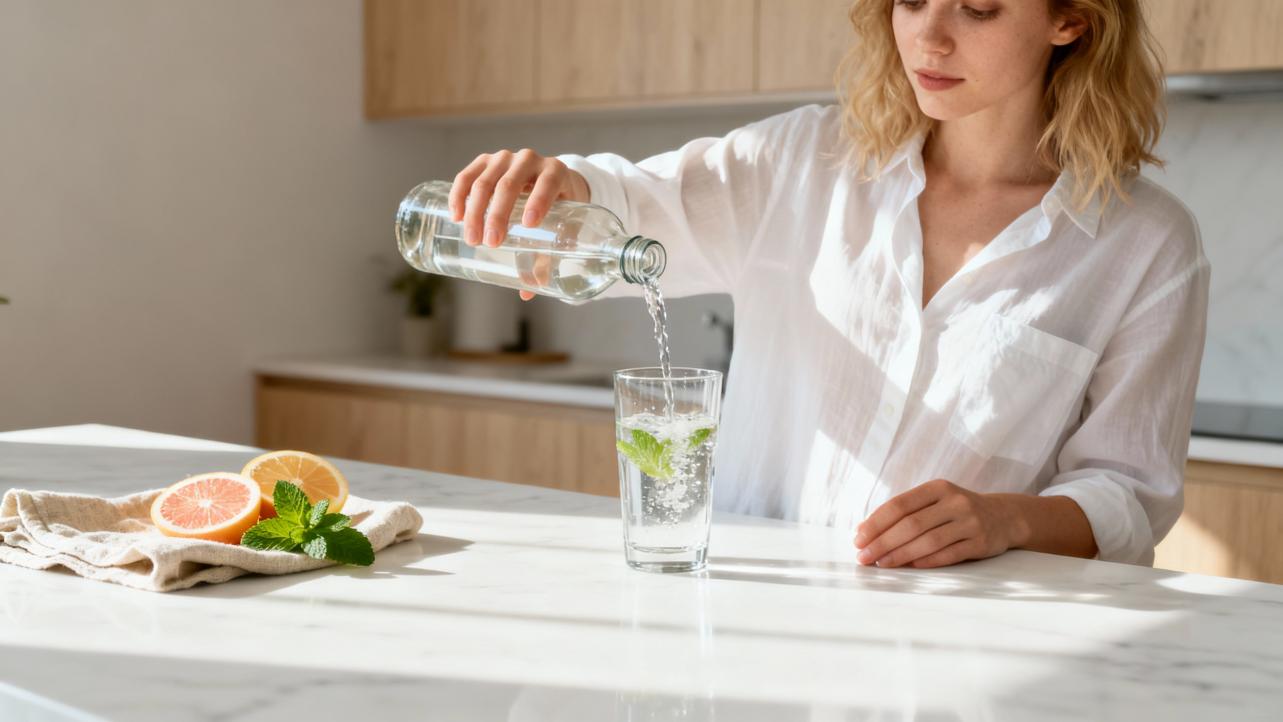
As a smart hydration specialist, I hear the same pair of worries over and over: one person is afraid of what is lurking in their tap water, while another is afraid that “over‑purified” water is somehow too aggressive, “dead,” or unhealthy in the long run.
When you work with real families every day—people on private wells with rust‑colored water, parents in apartments who do not trust the pipes, Indigenous communities who have lived under boil‑water advisories for years—you see that both instincts come from a rational place. We are caught between fear of contamination and fear of going “too far” with technology.
This article unpacks that tension using what the science actually says: guidance from the World Health Organization, clinical guidelines from the Wilderness Medical Society, large environmental reviews of contaminants, and nutritional insights on minerals in water. My goal is to help you decide what long‑term purified water really means for your health, and how to use it wisely at home.
What “Purified Water” Really Means
In technical guidance, experts draw an important distinction between three terms: disinfection, purification, and potability. Clinical practice guidelines from the Wilderness Medical Society define disinfection as the removal or inactivation of harmful microorganisms, purification as the broader removal of chemicals and particulates that affect color, taste, and odor, and potable water as water with a sufficiently low microbial hazard that the illness risk is acceptably low over time. Potable water is not sterile; it typically reflects a three to five log (99.9 to 99.999 percent) reduction in pathogens rather than complete elimination.
In everyday life, “purified water” is used more loosely. It usually refers to water that has gone beyond simple municipal treatment or a basic carbon pitcher. It might be produced by reverse osmosis, distillation, or a multi‑stage system combining sediment filters, activated carbon, membranes, and ultraviolet light. Marketing materials from home hydration brands describe this as “almost pure water,” stripped of nearly all dissolved solids as well as microbes.
At the same time, many people are really drinking filtered water rather than fully purified water. A handheld filter that removes sediment and chlorine, or an under‑sink system that uses activated carbon and a microfilter but leaves most minerals in place, falls into this category. Guidance from municipal and wilderness medicine sources emphasizes that these filters can markedly improve taste and remove many chemicals, but they do not by themselves remove every pathogen, trace pharmaceutical, or endocrine disrupting compound.
To frame the debate, it helps to see the spectrum.
Drinking water type |
Typical treatment |
Microbial focus |
Minerals and chemicals |
Typical use |
Municipal tap |
Coagulation, filtration, disinfection (usually chlorine), distribution system |
Strong focus on microbes; residual disinfectant |
Retains most natural minerals; may contain disinfection byproducts and trace contaminants |
City water supplies |
Simple filtered water |
Sediment and carbon filters, sometimes microfilters |
Improves microbes somewhat if microfilter is included, but not a full disinfection step |
Removes many organics, chlorine, some metals; minerals largely retained |
Pitchers, faucet and under‑sink filters |
Reverse osmosis or distillation |
Membranes or evaporation/condensation, often with carbon stages |
Membrane blocks most microbes; often paired with UV or residual disinfectant |
Removes most dissolved salts, heavy metals, many organics; very low mineral content unless re‑mineralised |
Household RO units, some bottled waters, desalinated water |
Bottled and packaged water |
Varies: filtration, ozonation, UV, sometimes RO |
Generally disinfected; quality depends on producer |
Mineral content depends on source and processing; plastic packaging can introduce other compounds |
On‑the‑go and in areas with low tap‑water trust |
Untreated natural sources |
Springs, rivers, boreholes |
Microbial risk highly variable and often high |
Mineral content depends on geology; chemical contamination possible |
Wells, rural sources, wilderness streams |
The long‑term question is therefore not only “Is pure water safe?” but also “Which version of ‘purified’ are we talking about, and compared with what?”

Why So Many People Are Moving Toward Purified Water
Microbial safety is still the first priority
Across the guidance documents, one theme is overwhelming: the health risk of inadequately disinfected water is large, well documented, and still affecting billions of people. Wilderness Medical Society guidelines point out that untreated or poorly treated water remains a major driver of enteric disease. The World Health Organization has estimated that a large proportion of diarrheal disease globally is preventable through safe water, sanitation, and hygiene, and that simple household interventions can reduce diarrheal incidence by roughly thirty to sixty percent.
Even in high‑income countries, outdoor and travel medicine experts emphasize that the microbiologic quality of surface water from lakes and streams is not assured. Clinical guidelines recommend disinfecting water during international travel in many regions, in wilderness areas with upstream human or animal activity, and in disaster situations affecting municipal supplies. Boiling to a rolling boil for about one minute is considered a very reliable approach, because enteric pathogens die rapidly at temperatures above about 140°F. Microbiologic purifiers and filters are tested to achieve large log‑reductions of bacteria, viruses, and protozoa, and portable chemical disinfectants based on chlorine or iodine are widely used when fuel or equipment is limited.
Scoping reviews among Indigenous communities in Canada show what happens when water systems are chronically under‑resourced. Many small on‑reserve systems were classified as high risk, with episodes of poor microbiological quality and high levels of disinfection byproducts. Residents often report low confidence in tap water, higher reliance on bottled water, and water‑related illness. In one remote community, water insecurity contributed to substitution with sugary drinks, which residents linked to high obesity and diabetes rates.
From a public‑health perspective, the strongest and most consistent evidence is that water needs to be reliably disinfected, day in and day out. None of these documents argue that this becomes harmful simply because you maintain that safety for years; they focus on how to achieve and sustain it.
Chemical contaminants and trace pollutants have raised the bar
Microbes are not the only concern. A large environmental review of drinking water contamination and treatment techniques describes major contaminant groups: heavy metals such as arsenic and lead, inorganic ions such as fluoride and nitrate, pesticides, volatile organic compounds, radionuclides, and disinfection byproducts such as trihalomethanes. Benchmark guideline values from the World Health Organization and the Environmental Protection Agency are on the order of about 1.5 milligrams per liter of water for fluoride (roughly 5.7 milligrams per gallon), 10 micrograms per liter for arsenic (about 0.04 milligrams per gallon), and 50 milligrams per liter for nitrate as nitrate (about 190 milligrams per gallon). In many groundwaters around the world, one or more of these limits is exceeded.
More recently, pharmaceuticals and personal care products have emerged as contaminants of concern. Reviews in environmental and medical journals document antibiotics, anti‑inflammatories, hormones, antidepressants, and other active ingredients in wastewater, surface water, groundwater, and even finished drinking water. A U.S. Geological Survey study found one or more medications in about eighty percent of sampled streams, and follow‑up monitoring has detected multiple drug classes in treated drinking water in many metropolitan areas. A Harvard health newsletter notes that although concentrations are very low compared with therapeutic doses, the long‑term health implications of chronic low‑dose exposure, especially for vulnerable groups, remain uncertain.
Endocrine disrupting compounds are another focus. A Nature paper surveying households in Malaysia measured nine endocrine‑active residues in tap water and calculated life‑stage risk quotients. Even when the mixture of contaminants was considered, all risk quotients remained well below one, indicating no apparent non‑cancer health risk at the measured levels. However, the analysis also showed that infants and young children had higher exposure per unit body weight than adolescents and adults because they drink more water relative to their size.
Conventional treatment plants were never designed with these micro‑pollutants in mind. Reviews of pharmaceutical contaminants conclude that primary and secondary wastewater processes can remove a large share of bulk organic matter but often leave persistent pharmaceuticals largely untouched. Drinking‑water plants can reduce some compounds considerably, but others, such as certain anticonvulsants and anti‑inflammatories, may pass through.
This is one reason why both scientists and consumers are turning toward multi‑barrier and advanced purification: membrane processes such as nanofiltration and reverse osmosis, adsorption with activated carbon, and even more novel options like nanomaterials and microalgal treatment. These technologies are not perfect, but they tend to offer much higher removal efficiencies for a broad range of contaminants than conventional treatment alone.
Taste, trust, and daily drinkability
The decision to rely on purified water in the long term is rarely just about contaminants. It is also about trust and daily experience.
Clarification techniques such as sedimentation, coagulation–flocculation, and filtration can transform muddy or cloudy water into something clear, neutral‑smelling, and more appealing, which in turn makes it easier for people to drink enough. Wilderness guidelines emphasize that clarification improves taste and esthetics and reduces chemical disinfectant demand, even though it does not by itself ensure microbiologic safety.
Consumer‑facing hydration articles echo this. Modern home purifier brands describe how activated carbon improves the odor and taste associated with chlorine, pesticides, and many organic chemicals. Traditional medical perspectives from Persian and Chinese frameworks add a qualitative layer, viewing clean, palatable water as supportive of digestion, kidney function, and emotional balance. In my own work, once a household moves from cloudy, metallic‑tasting tap water to a steady supply of clear, neutral‑tasting filtered water, people almost always start drinking more and relying less on sweetened beverages.

The Safety Case for Long‑Term Purified Water
Long‑term disinfection is a proven health win
Across wilderness medicine, disaster response, and urban public health, the message is consistent: safe, disinfected water dramatically reduces infectious disease. The Wilderness Medical Society’s evidence‑based recommendations are to disinfect drinking water when traveling in many developing regions, in most wilderness areas, and after disasters that disrupt municipal or private supplies. Household water interventions such as boiling, point‑of‑use disinfection, and filtration in low‑resource settings have been associated with substantial reductions in diarrheal disease and improvements in child survival.
Boiling, when feasible, is described as the most certain method. Data compiled in clinical guidelines show that common enteric bacteria are inactivated with pasteurization temperatures around 131°F for about half an hour or 149°F for less than a minute, with protozoan cysts generally even more heat‑sensitive. Since water heats from 131°F up to a rolling boil, all common enteric pathogens are effectively killed by the time it reaches boiling.
Chemical disinfectants based on chlorine remain the primary municipal method worldwide, endorsed by bodies such as the World Health Organization and the Centers for Disease Control and Prevention. Portable halogen tablets and drops are effective for short‑term use when dosed correctly, with guidance to adjust contact time and concentration for colder or cloudier water.
Nothing in these clinical and public health documents suggests that drinking water, once safely disinfected, becomes harmful because that disinfection continues year after year. The focus is instead on using appropriate doses, minimizing taste and byproduct formation, and pairing disinfection with filtration and source protection.
Multi‑barrier treatment reduces a wide array of chemical risks
The scientific reviews emphasize that no single process handles every contaminant. Coagulation and filtration remove many particulates and some microbes; activated carbon excels at removing many organic chemicals, pesticides, and disinfection byproducts; membrane technologies can block dissolved salts, heavy metals, nitrates, and a wide range of organics; advanced oxidation processes use highly reactive radicals to break down persistent pollutants.
A practical, cost‑conscious strategy recommended in the water‑treatment literature is a multi‑barrier approach that integrates source protection, an appropriate treatment train, robust disinfection, and careful management of distribution systems and household plumbing. For households, that often translates into something like this: municipal treatment to handle the bulk of microbiologic and inorganic contaminants, a certified home filter or purifier to remove residual chlorine, many organics, and additional dissolved solids, and safe storage in containers that are not prone to biofilm growth.
Home‑oriented guidance highlights that reverse osmosis membranes are especially effective at removing heavy metals, excess minerals that contribute to high total dissolved solids, and many pesticide and pharmaceutical residues. Under‑sink systems that combine sediment filtration, activated carbon, reverse osmosis, and post‑carbon polishing are marketed as delivering very high purity. Articles from clinical and consumer perspectives note that this can be particularly important in areas with poor source‑water quality or infrastructure issues.
The scientific literature on pharmaceuticals and endocrine disrupting compounds supports this logic, even if data are still emerging. Reviews of active pharmaceutical ingredients in water conclude that relying solely on conventional treatment is insufficient and call for multi‑barrier strategies that incorporate advanced technologies such as membranes or specialized adsorbents. At the same time, risk assessments like the Nature study from Putrajaya suggest that, at least at the measured concentrations in that particular system, health risks from endocrine disruptors in tap water are low for all age groups.
Taken together, these sources support the idea that, from a risk‑benefit perspective, long‑term use of properly purified water is far more likely to reduce health risks than to create new ones, provided that purification is done thoughtfully.
Concerns About Long‑Term Purified Water
If the safety case is strong, why does the debate persist? Most of the concerns cluster around three areas: minerals, disinfectant chemistry, and the psychological worry that water can be “too pure” or “unnatural.”
Is very low‑mineral water a problem?
A World Health Organization expert consultation on nutrients in drinking water examined how minerals and trace elements such as calcium and magnesium contribute to nutrition and chronic disease risk. The report emphasizes that food is the primary source of these nutrients, but in populations with low‑mineral diets, drinking water can make a meaningful contribution. For instance, if an adult drinks about half a gallon of water per day and that water contains around 50 milligrams per liter of calcium and 25 milligrams per liter of magnesium, the water could provide on the order of 190 milligrams of calcium and 95 milligrams of magnesium per gallon, translating into a useful share of daily intake over time.
The report also raises concerns about very low mineral or low total dissolved solids water, such as that produced by distillation, reverse osmosis, or desalination without remineralization. Potential issues include reduced intake of beneficial minerals, increased corrosivity that can cause metals like lead and copper to leach from pipes and fixtures, and subtle physiologic effects associated with electrolyte balance. Because of these concerns, the expert group suggests that policy makers consider target ranges for calcium, magnesium, and total dissolved solids in public water supplies, and recommends re‑mineralising desalinated or reverse‑osmosis water when it is used as a primary drinking‑water source.
Consumer‑focused articles echo this in more practical language. Descriptions of reverse osmosis units note that they remove nearly all impurities and minerals, producing almost pure water. Some authors advise that such systems are especially useful in areas with very poor water quality, but that when they are used as the sole drinking source for long periods, people should ensure adequate mineral intake from diet or from water with moderate mineral content. Other filtration approaches are designed to retain essential minerals such as calcium and magnesium while removing particulates, chlorine, and many contaminants, and are promoted as a good long‑term balance for most households.
A sensible takeaway from these sources is that low‑mineral purified water itself is not a poison, but that extremely low mineral intake from all sources could become an issue over time. For most people with a varied diet, this is unlikely to be a problem. For people drinking large volumes of very low‑TDS water with marginal diets, aiming for either remineralised water or filters that preserve minerals may be prudent.
Iodine, chlorine, and long‑term chemical use
Another concern is that using chemical disinfectants for long periods could have adverse effects. The nuances here matter.
Guidelines and toxicology articles describe chlorine‑based disinfection as the backbone of municipal water safety and a cornerstone of outbreak prevention. When applied at appropriate concentrations with proper contact time, hypochlorite is highly effective at inactivating bacteria and viruses and is recommended by both the World Health Organization and the Centers for Disease Control and Prevention for large‑scale and household use, particularly in emergencies.
Iodine is different. It is effective at low concentrations against many bacteria, viruses, and some protozoa, and field studies suggest that iodine may be more effective than chlorine against certain protozoan cysts. However, iodine directly interacts with the thyroid gland, and clinical and wilderness guidelines recommend it only for short‑term emergency use. People with thyroid disease, on certain medications, pregnant women, and others may need to avoid iodine‑based disinfectants altogether and rely on alternatives such as chlorine or non‑iodine filters.
Poison‑control specialists also note that water purifying tablets and drops, while generally safe when used as directed, may be misused or accidentally ingested, especially by children, and they do not remove chemical contaminants such as pesticides.
Another chemical issue involves disinfection byproducts. When chlorinated tap water is boiled or stored, chlorine can react with natural organic matter to form compounds such as trihalomethanes. Articles discussing home filtration, drawing on guidance from authorities such as the CDC, recommend filtering chlorinated water before boiling to reduce the formation of these byproducts, and using activated carbon to remove both chlorine and many disinfection‑byproduct compounds. Granular activated carbon is widely used in municipal plants, household under‑sink devices, and water pitchers for exactly this reason.
In other words, the long‑term concern is not that purified water is inherently dangerous, but that certain disinfection tools (particularly iodine and high unregulated doses) are best reserved for short‑term or emergency use, and that chlorine chemistry should be managed intelligently with the help of filtration and clarification.
Traditional perspectives and myths about “cold” or “weakening” water
Traditional systems of medicine offer additional perspectives that color how people feel about purified water, especially in cultures with strong herbal or energetic frameworks.
Traditional Persian medicine, supported by modern clinical observations, describes detailed “rules of drinking,” such as avoiding large volumes of water immediately with or after meals, or after intense physical activity or bathing. It suggests that drinking too much water can weaken the gastrointestinal tract and that water should be sipped slowly rather than gulped. The authors emphasize that these ideas need rigorous modern clinical trials, but many patients with reflux and digestive complaints report feeling better when they follow such patterns.
Traditional Chinese Medicine conceptualizes water in terms of warmth and its relationship to the kidney and bladder system. Some elders worry that cold, unboiled filtered water could cause stomach coldness, poor circulation, or joint pain. Modern hydration articles referencing both TCM and biomedical science point out that there is no clinical evidence linking properly filtered water to joint or body pain, and that joint discomfort is far more likely related to age, inflammation, or lifestyle than to the temperature or purity of clean water. The temperature and timing of drinking may still affect comfort for some individuals, but this is separate from the question of whether purification itself is safe.
As a practitioner, I have seen that acknowledging these traditional concerns, while grounding decisions in modern safety data, often helps families transition to safer water without feeling they must abandon their cultural frameworks.
Endocrine disruptors and “forever trace” fears
The presence of endocrine disrupting compounds and pharmaceuticals at trace levels in drinking water understandably makes people uneasy, particularly when headlines raise the possibility of hormone disruption, antimicrobial resistance, or subtle developmental effects.
The scientific documents summarized here strike a cautious but measured tone. Risk assessments that combine human morphology and detailed local consumption patterns, such as the Nature study from Malaysia, estimate risk quotients for specific endocrine‑active residues and their mixtures. Even when infants and children are considered, the calculated quotients for the chemicals measured in that setting remain well below one, indicating no apparent non‑cancer health risk from those exposures via drinking water.
At the same time, reviews on active pharmaceutical ingredients in water make it clear that pharmaceutical contamination is a real and growing issue. Pharmaceuticals are chemically diverse, can persist in the environment for months or longer, may bioaccumulate, and can promote antibiotic resistance or endocrine disruption in aquatic organisms. These reviews explicitly conclude that relying solely on conventional treatment is insufficient and advocate a multi‑barrier strategy that includes advanced or “green” technologies such as nanomaterial‑based adsorption, microalgal treatment, and reverse osmosis.
From a hydration standpoint, this means that while current measurements in many systems do not show acute or high‑level risk, there is still a rationale for choosing purification technologies that are more effective at removing a broad spectrum of organic micro‑pollutants, especially for populations drawing from contaminated rivers, reclaimed wastewater, or suspect distribution systems.

What the Evidence Actually Suggests About Long‑Term Purified Water
If we step back and look at all of these sources, certain patterns emerge. Public‑health guidelines and clinical practice documents devote extensive space to the dangers of under‑treated or re‑contaminated water, and to strategies for achieving robust disinfection, clarification, and chemical control. They pay relatively little attention to hypothetical harms from long‑term consumption of purified water, with two main exceptions: the nutritional and technical concerns around very low mineral content, and the need to avoid long‑term misuse of certain disinfectants such as iodine.
The World Health Organization’s work on minerals in drinking water suggests that extremely low‑mineral water, used as a primary source with no re‑mineralization and poor dietary intake, could be suboptimal over many years. Wilderness and outdoor guidelines warn against relying on hot‑water tanks long term because higher temperatures can increase leaching of metals. Poison‑control and wilderness medicine sources caution against chronic use of iodine tablets or high concentrations of disinfection chemicals.
By contrast, the documents do not report that properly purified water—produced by well‑designed systems that manage disinfectant levels, remove a wide range of contaminants, and either preserve or restore a reasonable mineral profile—causes specific diseases simply because it is “too clean.”
In my experience designing home hydration setups, the households that move to such systems and maintain them properly almost always see fewer gastrointestinal upsets, greater confidence in their tap, and better hydration habits. The key is to do purification intelligently rather than reactively.

Practical Guidance for Using Purified Water Long Term
Start with your source
Before choosing a system, you need to know what you are starting with. Municipal water in a well‑regulated city, a small rural system serving an Indigenous community, a private well, and a river in a rapidly urbanizing region are not equivalent.
Scoping reviews show that many small systems and private wells can have microbiological or chemical issues, including high disinfection byproducts, metals, or microbial contamination. In such contexts, relying on bottled water alone is costly and does not address bathing, cooking, and brushing teeth. Home purification can be part of the solution, but only alongside better infrastructure and monitoring.
For relatively well‑controlled municipal water with acceptable hardness and no major contamination alerts, a high‑quality under‑sink or whole‑house filter that combines sediment removal and activated carbon may be sufficient to improve taste, remove many organic chemicals, and reduce disinfection byproducts. Where nitrate, arsenic, fluoride, or other dissolved contaminants exceed guideline values, or where active pharmaceutical ingredients and endocrine disruptors are a concern, membrane‑based purification such as reverse osmosis or nanofiltration adds an important layer of protection.
Where microbial safety is uncertain, ensure there is a true disinfection step. Microfilters that remove protozoa and bacteria may not reliably remove viruses. Clinical and wilderness guidelines recommend combining filtration or clarification with chemical disinfection or heat to reach the three to five log pathogen reductions associated with potable water.
Use purification wisely, not fearfully
Chemical disinfectants, filtration, and heat each have strengths and limitations. Guidelines from the Wilderness Medical Society and the Outdoor Action program at Princeton emphasize several practical points that also apply at home.
Heated water is highly effective for microbiologic safety, but fuel and convenience are limiting factors. Boiling is excellent for emergencies and travel, but not a practical primary solution for decades in most homes. Portable halogen tablets and drops are invaluable for short trips and disasters but are not meant for routine daily consumption over years, especially for people with thyroid issues or in households with small children who might ingest the tablets undiluted.
Home purification systems, in contrast, are designed for continuous use. To use them safely in the long term, regular maintenance is essential. Filters and membranes clog over time and can become sites for bacterial growth if they are not replaced on schedule. Granular activated carbon, in particular, should be combined with disinfection in systems where the incoming water may not already be potable, because carbon itself does not kill microbes and can harbor biofilms.
Sanitation remains critical. Infection‑control guidance from the CDC reminds us that microorganisms can persist and grow in moist environments, including plumbing, humidifiers, and medical devices. Even with purified water, poor hygiene, contaminated storage containers, and inadequate handwashing can undermine safety. Narrow‑mouthed containers, spigots rather than dipping cups, and regular cleaning all help reduce re‑contamination.
Make a conscious plan for minerals
If you rely primarily on very low‑mineral purified water, think about where your calcium and magnesium are coming from. For most people with balanced diets, food alone can easily supply adequate amounts. However, if your diet is marginal, or if you simply prefer the mouthfeel of water with some hardness, you have options.
You can choose filtration technologies that retain minerals while removing contaminants, or you can blend some naturally mineralized water into your daily intake. Where reverse osmosis is needed to deal with serious contamination, re‑mineralising cartridges or mixing with a modest proportion of higher‑mineral water can help restore a more natural mineral profile. The World Health Organization’s expert group suggests that aiming for moderate total dissolved solids and at least modest calcium and magnesium levels is reasonable when designing or selecting water supplies.
Consider your personal health context
Certain medical conditions affect how much water you should drink, regardless of whether it is purified. Traditional Persian medicine sources, which draw on modern nephrology as well as historical practice, note that people with kidney failure, heart failure, or end‑stage liver disease often need to limit fluid intake under medical guidance.
Similarly, people with thyroid conditions, those on specific medications, pregnant women, and older adults may need to avoid iodine‑based disinfectants. For them, chlorine, ultraviolet disinfection, and filtration are generally preferred when emergency treatment is required.
If you have a chronic illness, work with your healthcare provider to align your hydration strategy with your medical plan. Most clinicians are happy to know that their patients are paying attention not only to how much water they drink but also to its quality.

Short FAQ on Purified Water
Is it safe to drink only reverse osmosis water for years?
The documents reviewed here do not report specific diseases caused by drinking reverse‑osmosis water itself. Concerns focus instead on low mineral content and on the need to avoid corrosive water in pipes. A World Health Organization expert consultation suggests that very low‑mineral water used as a primary source may not be ideal without re‑mineralization, especially in populations with marginal dietary intake of calcium and magnesium. If you use reverse osmosis as your main source, it is prudent to ensure a mineral‑rich diet or to consider options that restore some hardness and total dissolved solids.
Does purified water “leach” minerals from your body?
The research summaries here do not describe purified water actively stripping minerals from the body. The more realistic issue is that very low‑mineral water does not provide minerals that moderately hard water can contribute. The focus in expert guidance is therefore on making sure your total intake of calcium and magnesium from food and water is adequate, rather than on fearing that purified water will remove minerals you already have.
Is purified water better for children than regular tap water?
Infants and young children drink more water per unit body weight than adults and are therefore more exposed to any contaminants present. Risk‑assessment work on endocrine disrupting compounds shows that their relative exposure is higher, yet for the tap water studied the overall risk quotients still remained below one. For children, the most important priority is microbiologically safe water. If your local tap water has chemical or taste issues, a well‑maintained home purification system can provide additional protection and may help children drink more water instead of sugary beverages. Just be sure to avoid prolonged use of iodine‑based tablets as a primary treatment and to discuss any fluid restrictions with your pediatrician when chronic illness is present.
Clean, safe water is one of the most powerful long‑term health investments you can make. The science summarized here points much more strongly toward the dangers of unsafe or unpalatable water than toward any inherent harm from drinking purified water over many years, provided you respect basic principles: disinfect reliably, remove key chemical contaminants, maintain your system, and keep an eye on minerals.
If you treat purification as a long‑term ally rather than something to fear, you can build a home hydration setup that is both scientifically sound and deeply supportive of your everyday wellbeing.
References
- https://www.health.harvard.edu/newsletter_article/drugs-in-the-water
- https://pmc.ncbi.nlm.nih.gov/articles/PMC10961709/
- https://www.princeton.edu/~oa/manual/water.shtml
- https://www.cdc.gov/infection-control/hcp/environmental-control/water.html
- https://www.poison.org/articles/are-water-purifying-chemicals-safe-183
- https://wms.org/magazine/magazine/1254/2020water-cpg/default.aspx
- https://www.askdrskip.com/water/
- https://www.healthycoway.com/post/unboiled-filtered-water-causes-body-pain-myths-and-facts-about-drinking-water
- https://www.nature.com/articles/s41545-022-00176-z
- https://www.xiahepublishing.com/2835-6357/FIM-2023-00086

Share:
Understanding the Safety of Tap Water in Europe vs China
Understanding Color Changes in Boiled Mung Bean Soup