

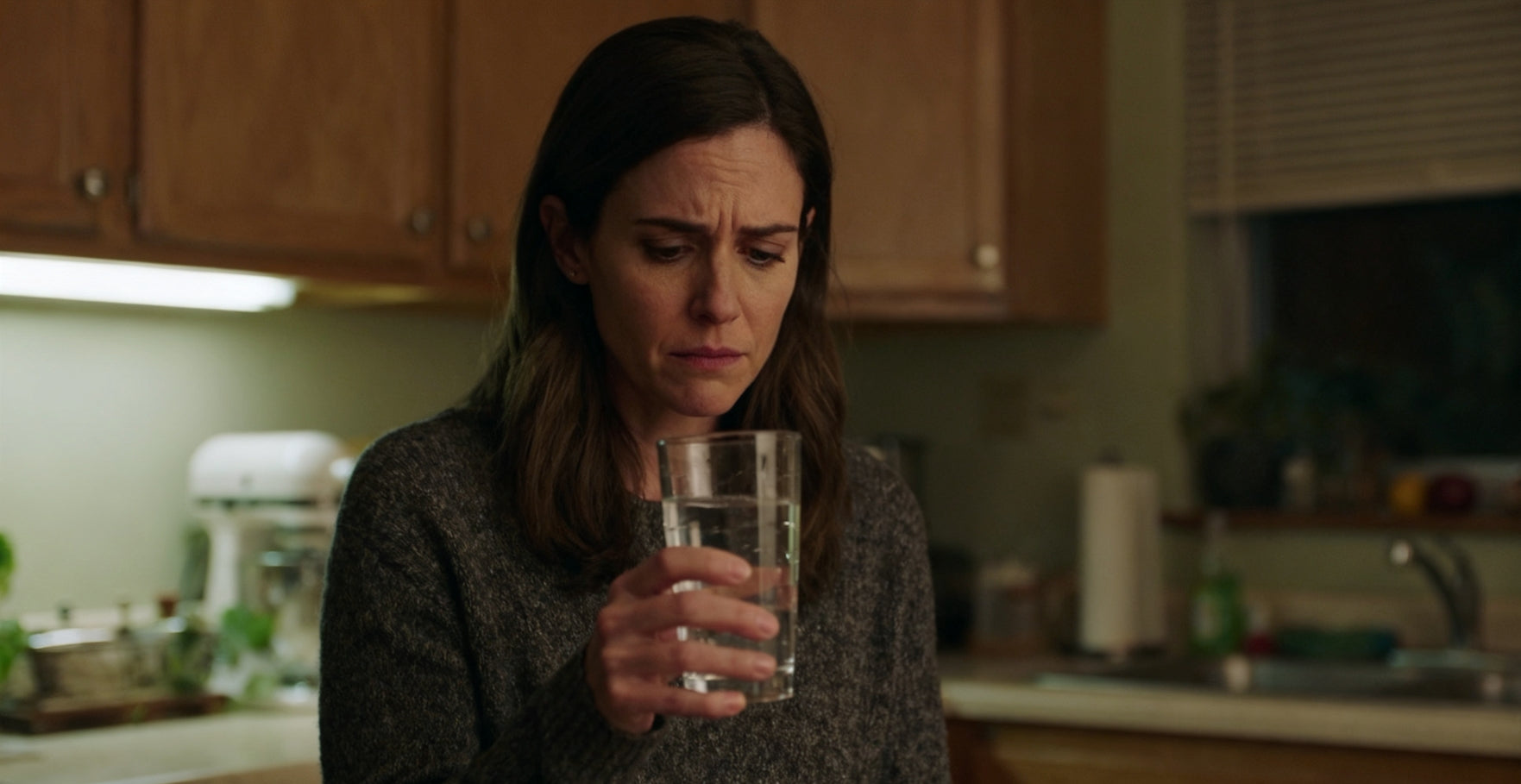
If drinking water leaves you feeling sick to your stomach, you're probably wondering what's going wrong with something so basic and essential. The truth is, drinking water causes nausea for more people than you'd expect, and the reasons can range from obvious to surprisingly sneaky.
Maybe you're sensitive to chemicals in your tap water, or perhaps you're drinking at the wrong times or temperatures for your body. Whatever's causing your nausea after drinking water, there are practical solutions that can help you get back to healthy hydration without the uncomfortable side effects.

What Makes Water-Induced Nausea So Common?
If water makes me nauseous sounds like an unusual complaint, think again. Studies show that up to 15% of adults experience some form of digestive discomfort related to water consumption, yet most people assume they're dealing with something else entirely. The human digestive system is surprisingly sensitive to changes in temperature, timing, chemical composition, and even psychological factors when it comes to hydration. Nausea after drinking water often gets dismissed as a minor inconvenience, but it can significantly impact your daily hydration habits and overall health if left unaddressed.
Signs Your Water Might Be the Problem
Recognizing water-related nausea isn't always straightforward since the symptoms can mimic other digestive issues. However, certain patterns can help you identify if your water is the culprit:
- Immediate reaction - Nausea occurs within 5-15 minutes of drinking water
- Consistent timing - Symptoms happen regularly with certain water sources or temperatures
- Taste or smell sensitivity - You notice an off-putting chlorine, metallic, or sulfur taste before feeling sick
- Location-specific symptoms - You only feel nauseous when drinking water at home, work, or specific places
- Temperature correlation - Ice-cold or very hot water consistently triggers discomfort
- Volume-related nausea - Large quantities of water cause more severe symptoms than small sips
When to Be Concerned vs. Normal Reactions
Water-related nausea is usually no big deal, but there are some warning signs that mean you should get medical help.
| Normal Reactions (Usually Fine) | Red Flags (See a Doctor) |
| Cold Water Nausea: Mild nausea after drinking very cold water on an empty stomach that passes within 10-15 minutes | Persistent Nausea: Nausea that lasts more than 30 minutes after drinking even small amounts of water |
| Too Much Too Fast: Temporary discomfort from drinking too much water too quickly during exercise or when extremely thirsty | Severe Symptoms: Vomiting, dizziness, or signs of dehydration despite adequate water intake |
| Travel Sensitivity: Brief queasiness when switching between different water sources while traveling to new locations | Daily Avoidance: Consistently avoiding drinking water because it makes you feel sick every day |
| Temporary Changes: Occasional sensitivity during illness, stress, or hormonal changes that affects normal tolerance | Multiple Symptoms: Stomach pain, diarrhea, or fever that accompany water-related nausea |
| Situational: Nausea that only happens in specific situations and goes away quickly | Getting Worse: Symptoms that become more severe or frequent over time |
Most occasional water-related nausea falls into the normal category and can be managed with simple adjustments to your drinking habits. However, if you're experiencing persistent or severe symptoms, don't hesitate to consult with a healthcare provider to rule out underlying conditions that might be contributing to your discomfort.
Why Does Water Make You Feel Sick?
Feeling nauseous after drinking water usually comes down to how your body handles water in different situations. Drinking water causes nausea through your digestive system, hormones, or stress reactions. Here are the main reasons water can make you feel sick. To address these contamination issues, using a water purifier, such as an RO System, can be a highly effective solution.
- Cold Water Shocks Your Stomach: Ice-cold water on an empty stomach shocks your digestive system and causes nausea because your stomach muscles tighten up when hit with cold liquid. Drinking too fast also overwhelms your stomach with too much liquid at once.
- Drinking Too Much Water Too Fast: When you're dehydrated and drink a lot of water quickly, your mineral balance gets messed up and your electrolytes get too diluted, causing nausea and dizziness. Drinking too much water too fast can drop your blood sodium dangerously low.
- Drinking Water at the Wrong Time: On an empty stomach, water dilutes your stomach acid and disrupts digestion, while drinking right after eating makes you feel too full because your stomach is already working hard.
- Digestive Conditions Make Your Stomach Extra Sensitive: Gastroparesis slows stomach emptying so water sits there longer, GERD makes water trigger acid reflux, and IBS makes your stomach sensitive to normal amounts of water.
- Certain Medications Make Water Harder to Handle: Diuretics mess with your fluid balance, while antibiotics and pain meds upset your stomach and water makes it worse on an empty stomach.
- Pregnancy Makes Women Sensitive to Water: Pregnancy hormones make women sensitive to tastes and smells, so plain water often triggers morning sickness, especially early in pregnancy.
- Stress Makes Your Stomach React to Water: Stress creates real physical symptoms including nausea from water, and anxiety slows digestion while making your stomach more sensitive.
What Water Quality Problems Cause Nausea?
Water quality problems often get missed as causes of stomach issues because the effects build up slowly. Contaminated water symptoms don't always show up right away - your body might react to chemicals, bacteria, or minerals in your water.
Chemicals in Your Tap Water
Most tap water has chlorine added to kill germs, but some people get nauseous from these chemicals. Heavy metals like lead and copper can get into water from old pipes and upset your stomach. Pesticides from farms also get into water supplies and can make sensitive people feel sick.
Bacteria and Parasites
Even small amounts of bacteria like E. coli can make you nauseous without giving you full food poisoning. Parasites like giardia are common in well water and some city water, causing ongoing nausea and stomach problems. Well water gets contaminated easily from septic tanks and farm runoff.
Too Many Minerals
Hard water with lots of calcium and magnesium can irritate some people's stomachs, especially if you drink a lot. High mineral levels make water taste metallic or chalky, which can trigger nausea if you're not used to it.
Wrong pH Levels
Water that's too acidic can irritate your stomach and cause nausea, especially on an empty stomach. Water that's too alkaline can also cause problems by messing with your natural stomach acid. Most people handle water best when it's neutral (pH 6.5-8.5).
What Medical Conditions Make Drinking Water Difficult?
Some health problems can make drinking water uncomfortable or cause nausea. Stomach sensitivity from medical conditions often gets missed as a reason for water-related problems. Water intolerance isn't just being picky - it's usually a symptom of real medical issues that can be treated.
Gastroparesis Slows Your Stomach
Gastroparesis means your stomach muscles don't work right, so liquids empty much slower than normal. Water sits in your stomach for hours instead of moving through quickly, making you feel full, bloated, and nauseous after drinking even small amounts. People with diabetes get this condition more often because high blood sugar damages the nerves that control stomach muscles.
Functional Dyspepsia Causes Stomach Problems
This condition causes ongoing stomach discomfort without doctors being able to find a clear physical cause. Your stomach becomes too sensitive to normal amounts of food and liquid, so even water can make you feel nauseous, bloated, or full too quickly. The stomach overreacts to what should be normal feelings from drinking water.
Anxiety Makes Your Stomach Sensitive
Anxiety disorders cause real digestive problems that make drinking water uncomfortable. When you're anxious, your body slows down digestion and makes your stomach more sensitive to everything, including water. Some people get anxious specifically about drinking water after feeling sick before, which creates a cycle where worrying about it actually causes the physical symptoms.
How to Stop Feeling Sick from Water Right Away
If water keeps making you nauseous, you can try several simple changes right now to feel better. These water induced nausea remedies work by fixing the most common problems like temperature, timing, and taste.
Fix Your Water Temperature and Drinking Speed
How hot or cold your water is and how fast you drink it can make a huge difference:
- Drink room temperature water - Cold water shocks your stomach, especially when it's empty
- Take small, slow sips - Big gulps fill up your stomach too fast and make you bloated
- Wait between drinks - Give your stomach 2-3 minutes to handle each small amount
- Skip ice-cold drinks when you haven't eaten for a few hours
- Sip all day long instead of trying to drink big amounts at once
Add Natural Flavors That Help Your Stomach
Plain water can feel too heavy or boring, which makes nausea worse for some people. Adding simple things can make water easier to drink and even help your stomach feel better:
- Lemon or lime slices give you citrus that naturally helps with nausea
- Fresh mint leaves cool your stomach and make water taste better
- Small pieces of ginger actually fight nausea and help digestion
- A tiny bit of sea salt replaces minerals and helps your body absorb water better
- Cucumber slices add light flavor without upsetting your stomach

Try Other Ways to Get Fluids
If plain water always makes you feel sick, there are other good ways to get the fluids you need. Herbal teas like chamomile or peppermint are easier on upset stomachs and still keep you hydrated. Clear soups give you both fluids and minerals without feeling as heavy as plain water. Foods with lots of water like watermelon, cucumber, and broth can also help you stay hydrated when regular water is too hard to drink.
Why Does Clean Water Help Sensitive Stomachs?
Pure water gets rid of many things that make people nauseous when they drink water. Removing contaminants that irritate digestive system means your stomach doesn't have to handle chemicals, bacteria, or minerals that upset it. Clean water also tastes and smells the same every time, so your sensitive stomach doesn't get surprised by different flavors or chemical levels that can trigger nausea.
How RO Systems Stop Water Nausea
When you need the best protection for a sensitive stomach, reverse osmosis systems fix all the water quality problems we talked about earlier. Multi-stage filtration removes nausea-triggering substances like chlorine, metals, bacteria, and minerals that upset sensitive stomachs. RO water benefits include water that tastes and smells the same every time, so your stomach won't react to unexpected contaminants.
RO water tastes cleaner because it doesn’t have the metallic, chlorine, or sulfur flavors that often trigger gagging. The neutral, clean taste makes it much easier to drink enough water without getting nauseous. Some under sink RO systems work especially well for people with sensitive stomachs because they use advanced 9-stage filtration that targets the specific things that cause nausea - they remove the chlorine and chemical smells that make water unpleasant to drink, plus they get rid of over 90% of heavy metals and nearly all microplastics that can irritate your digestive system. These systems also save you money compared to constantly buying bottled water, making clean water affordable for everyday use.
When Should You See a Doctor About Water Nausea?
Most water-related nausea goes away when you change how you drink, but some situations need medical help. Chronic nausea that happens every time you drink water might mean you have a health problem that needs treatment. Water aversion symptoms that get worse or stop you from staying hydrated shouldn't be ignored. Certain symptoms mean you should contact your doctor right away instead of trying to manage the problem on your own:
- You throw up every time you try to drink water, even in small amounts.
- You're losing weight because you can't keep any fluids down for several days.
- You feel dizzy, weak, or confused along with severe nausea when drinking water.
- You have stomach pain that gets worse every time you try to drink any liquid.
- You develop a fever along with your water-related nausea symptoms.
- Your symptoms have been getting progressively worse over several weeks or months.
- You're avoiding drinking water completely because of nausea, which is affecting your daily activities.
- You notice blood in your vomit or have severe abdominal cramping with water consumption.
Don't wait to get help if you're experiencing any of these serious symptoms. Early medical attention can prevent dehydration and help identify treatable conditions that might be causing your water-related nausea.
End Your Water Nausea Once and For All
Now you know that water makes me nauseous isn't just in your head - it's a real problem with real solutions. Try adjusting how and when you drink first, then consider if your tap water quality might be the issue. If it is confirmed that the water quality is a problem, immediately install good filtration. If simple changes don't help, don't hesitate to see a doctor about possible underlying conditions. Take the first step today and start drinking water without that awful nauseous feeling.
Share:
Are Plastic Water Bottles Safe? Hidden Health Risks & Solutions
Lead Contamination Tap Water: Test, Detect & Eliminate Today