

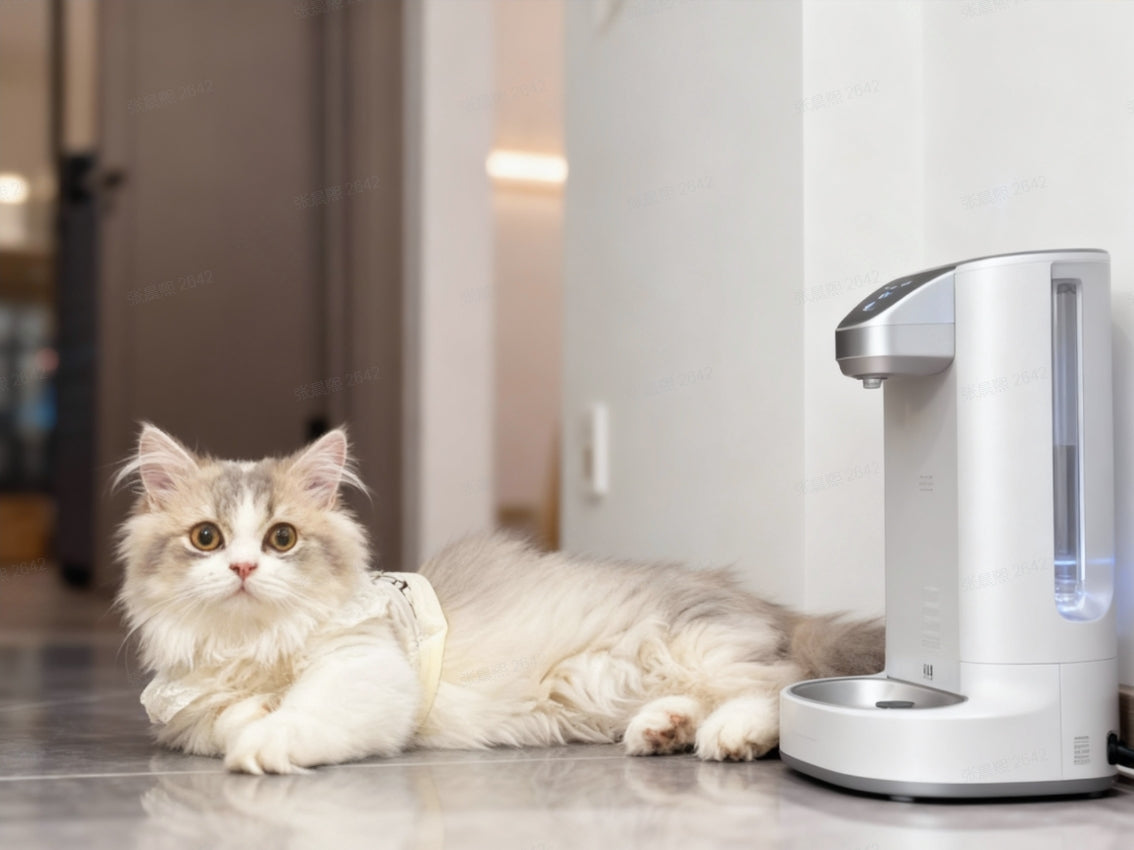
Does your cat treat their water bowl like it's invisible, leaving you wondering if they're getting enough to drink? While a healthy cat needs roughly 3.5-4.5 ounces of water per 5 pounds daily, most cats naturally drink very little compared to dogs or other pets. The good news is that when cats avoid water, there's usually a simple explanation - and even simpler solutions that can get your feline friend properly hydrated again.

How Much Water Should Cats Drink Daily?
Most cat owners don't realize their feline friends need about 3.5 to 4.5 ounces of water for every 5 pounds of body weight daily, which means a typical 10-pound cat should drink roughly 7-9 ounces each day. Kittens need more - about 1 ounce per pound due to their rapid growth, while senior cats may vary depending on health conditions. Cats eating wet food need less additional water since canned food contains 70-80% moisture, but cats on dry kibble must drink the full amount since dry food only has 10% moisture. These numbers give you a baseline, though every cat is different based on activity level, environment, and overall health.
What Does Proper Hydration Look Like in Cats?
A well-hydrated cat shows subtle but consistent signs of good health. Their gums are smooth, moist, and light pink, and their coat feels soft and well-groomed. They urinate two to three times a day with light yellow urine and show steady energy, curiosity, and a healthy appetite.
You’ll also notice that they keep up their normal grooming routine and rarely seem sluggish or uninterested in their surroundings. These behaviors reflect proper hydration and overall well-being.
Signs Your Cat May Be Dehydrated
If you suspect your cat isn’t drinking enough water, you can confirm it with a few simple at-home checks:
- Skin test: Gently lift the skin between your cat’s shoulder blades. If it doesn’t snap back right away, your cat is likely dehydrated.
- Gums: Press the pink tissue—if it feels sticky or takes more than two seconds to return to normal color, that’s a red flag.
- Eyes and behavior: Sunken or dull eyes, excessive sleeping, or reduced play can indicate moderate to severe dehydration.
- Appetite and litter box habits: Less eating, smaller or fewer clumps, or dark, strong-smelling urine also point to dehydration.
Call your vet promptly if any of these signs appear. Cats can become dangerously dehydrated faster than most owners realize.
7 Main Reasons Why Cats Won't Drink Water
Most cats naturally drink less water than other pets, but some factors can make them avoid water completely. Here are the main reasons and what causes them.
- Cats Get Their Water from Food, Not Drink: Cats are descended from desert animals who drank 70–75% of their water from food. Wet food has 75–80% moisture, but dry kibble has just 6–10%. Many cats don't consume enough water to compensate for the deficiency.
- Cats Smell Things in Water You Can't: Cats detect contaminants and chlorine in tap water that we are unable to detect. This is often why they avoid their water bowl. Furthermore, standing water can develop bacteria and become stale, making it even less appealing. Many cat owners report that their pets happily resume drinking once they switch to filtered, freshly changed water.
- Incorrect Bowl or Location: Bacteria and odors are retained in plastic bowls. They prefer shallow, wide bowls; deep ones irritate their whiskers. Because it smells or appears unhygienic, water near food or litter boxes is disregarded.
- Cats Only Trust Moving Water: Cats prefer moving water because still water may harbor dangerous bacteria. Their drinking reflexes are triggered by fountains and faucets, but not by bowl water.
- Stress Stops Drinking: Shifts in schedule, relocation, or the addition of pets can all have an impact on drinking patterns. It's possible for several cats to vie for water. Calm, quiet places are more productive than crowded ones.
- Health Issues Make Drinking Inconvenient: Diabetes, kidney disease, dental discomfort, and urinary issues all have an impact on drinking. A veterinarian should be consulted immediately if there are any abrupt changes in water intake.
- Age Brings Unique Challenges: Elderly cats may experience pain from arthritis when they lean over or neglect to drink. Although they are easily distracted, kittens require more water. Both groups benefit from elevated bowls and varied locations.
How to Get Your Cat to Drink More Water
Get a Water Fountain
Water fountains work really well because cats naturally prefer moving water over still water. Look for fountains that keep water circulating and filtered. You want a quiet motor (under 25 decibels so it won't scare your cat), parts that come apart easily for cleaning, and different levels so cats can drink comfortably.
Feed More Wet Food
This is honestly the easiest way to get more water into your cat. Wet food has about 75-80% water while dry kibble only has 6-10%. A cat eating wet food basically gets most of their water from their meals. If your cat currently eats dry food, mix in wet food slowly over a week or so - start with about 25% wet food and increase it each day. Even just switching one meal a day to wet food makes a big difference.
Put Water Bowls All Over Your House
Don't just have one water bowl - put them in 3-4 different spots, especially if you have multiple floors. Cats drink more when water is easy to find and they don't have to go far for it. Good spots are near where your cat likes to nap, in hallways they walk through a lot, and definitely not right next to their food or litter box. If you have more than one cat, put out one bowl per cat plus an extra one so they don't have to compete for water.
Make Water Taste Better
Some cats will drink way more if their water has just a little bit of flavor. You can try:
- Low-sodium chicken or beef broth (make sure it doesn't have onions or garlic)
- Water from canned tuna (the kind packed in water, not oil)
- Just a few drops of chicken broth mixed into regular water
- Ice cubes made from watered-down tuna juice when it's hot outside
Start with tiny amounts - if you make it too strong, your cat might not drink it at all.
Use the Right Bowl
Throw out any plastic bowls and get stainless steel or ceramic ones instead. Plastic holds onto smells and bacteria even after you wash it. Get wide, shallow bowls - at least 4-5 inches across but only about 2 inches deep. Deep bowls bug cats because their whiskers hit the sides when they drink. Glass bowls work too, but make sure they won't tip over easily.
Put Bowls in Better Spots
Keep water bowls away from food (at least a few feet apart) and definitely not near the litter box. Cats like quiet places where they won't get startled while drinking. If you have an older cat or one with joint problems, raise the bowl up 3-4 inches so they don't have to bend down as much.
Keep Water Fresh Every Day
Change the water completely every day, even if there's still some left in the bowl. Wash the bowls with hot soapy water daily because cats can smell bacteria buildup that we can't detect. Most cats like room temperature water best, but some prefer it slightly cool. Try adding a few ice cubes on hot days, and keep bowls out of direct sunlight so the water doesn't get warm and gross.
For households where tap water quality is consistently an issue, a reverse osmosis filtration system might be the long-term solution. Vortex 8 Tankless Under Sink Reverse Osmosis Water Purifier, for example, removes chlorine and other chemicals that create the offensive odors cats detect but we don't notice. Since it produces fresh, clean water without any storage tank, there's no chance for bacteria to develop - addressing another thing cats instinctively avoid. It's one of those investments that often pays off when you see your finicky cat actually using their water bowl regularly.
Don't try to change everything at once - cats hate sudden changes. Pick one or two things to try first, then add more once your cat gets used to the new setup.
When to Call Your Vet About Cat Hydration
While some variation in your cat's drinking habits is normal, certain changes signal serious health problems that need professional attention right away.
Call Your Vet Immediately:
- Your cat hasn't drunk any water for a full day
- Your cat is vomiting and won't drink water
- Your cat won't lift their head or barely responds to you
- When you pinch their skin, it takes 3+ seconds to go back down
- Your cat has diarrhea for more than a day and isn't drinking
Call Within 1-2 Days:
- Your cat suddenly drinks way more water than normal for several days
- Your cat completely stops drinking for 2-3 days straight
- Your cat's drinking changes and they're urinating much more or much less
Call Within a Few Days:
- Your cat drinks excessively and is losing weight or always hungry
- Drinking changes plus vomiting, not eating, or hiding
- Your cat seems confused or has trouble walking along with drinking changes
Watch Senior Cats Closely:
Older cats need vet visits for any sudden drinking changes since they get kidney problems more easily
Don't wait to see if things improve on their own. Drinking problems usually mean something else is wrong, and catching it early makes treatment much easier.
Help Your Cat Drink More Water
Getting your cat to drink more water is usually easier than you think once you figure out what's putting them off. Simple changes like switching to a water fountain, adding wet food, or just moving their bowl away from their food can make a huge difference within days. Keep an eye on any sudden changes in drinking habits though - whether they're drinking way more or way less than usual, that's when you should call your vet right away.
Share:
Why Your Coffee And Tea Taste Flat: The Truth About Water Remineralization
What Is pH in Water, and How Does It Affect Us?
1 comment
so cute