

Quick Answer
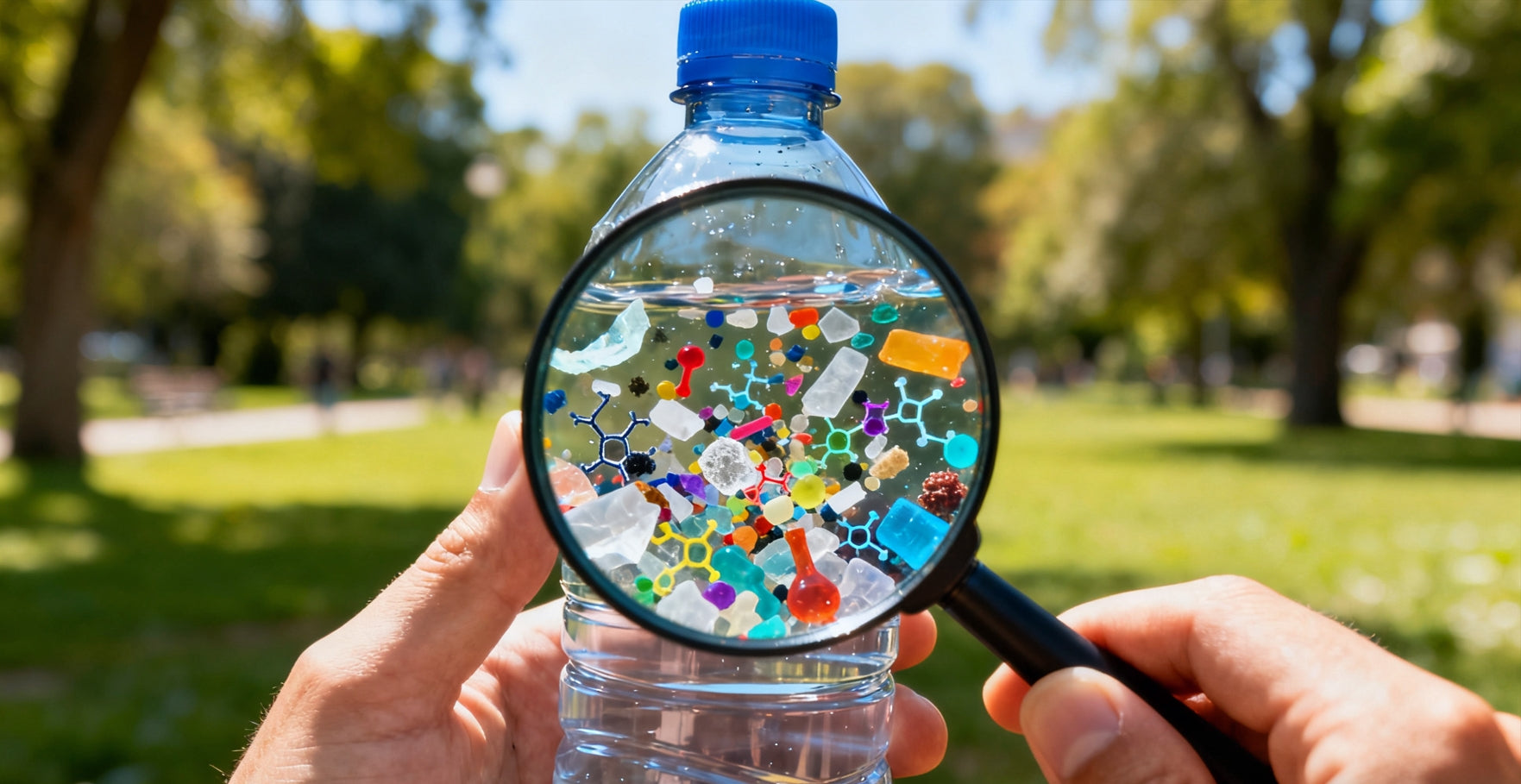
No, plastic water bottles are not safe for regular use because they contain 240,000 microplastic particles per liter and harmful chemicals that leak into your drinking water. These substances have been found in human blood and organs, causing health problems like cancer, heart disease, and hormone issues.
Introduction
You've probably never questioned whether your bottled water is actually clean, but new research might change your mind. What looks like pure H2O often contains microscopic particles and chemicals that weren't supposed to be there. Fortunately, microplastics in drinking water can be avoided with the right water filtration systems that provide safer, microplastic-free water without the hidden risks.

What Are Microplastics and How Do They Get in Your Drinking Water?
Microplastics are tiny plastic fragments smaller than 5 millimeters—about the size of a sesame seed or even invisible to the naked eye. These particles come from the breakdown of larger plastic items like water bottles, packaging, and synthetic clothing. Microplastics in drinking water enter our supply through multiple pathways: plastic bottles shed particles directly into the water they contain, especially when exposed to heat or sunlight. Municipal water systems pick up contamination from plastic waste in rivers and groundwater, while even tap water becomes contaminated as plastic debris breaks down in treatment facilities. The result? Every glass of water potentially contains thousands of these microscopic invaders.
Are Plastic Water Bottles Safe? 5 Hidden Health Risks You Should Know
No, plastic water bottles are not safe for regular use. While they won't hurt you immediately, research shows that drinking from them daily exposes you to thousands of microplastic particles and over 4,200 potentially harmful chemicals that build up in your body over time.
1. Harmful Chemicals Leak Into Your Water
Plastic bottles contain chemical additives like BPA, phthalates, and antimony that slowly seep into the water inside. This happens faster when bottles sit in hot cars or direct sunlight, but it occurs even at room temperature. The FDA has found these chemicals in water samples from bottles sold across the United States, and the concentrations get higher the longer water stays in plastic containers.
2. Thousands of Plastic Particles in Every Bottle
Research reveals that bottled water contains an average of 240,000 microplastic particles per liter—almost double what's found in tap water. These tiny plastic pieces are so small they can enter your bloodstream and have been found in human blood, lungs, and even placenta tissue. People who regularly drink from plastic bottles consume about 5 grams of plastic each week, according to recent studies.
3. Disrupted Hormones and Fertility Problems
The chemicals that leak from plastic bottles interfere with your body's natural hormone production. Scientists have connected these chemicals to fertility issues, early puberty in children, and problems with reproductive organs. Pregnant women and young children face the highest risks, with exposure potentially causing developmental problems and birth defects.
4. Higher Cancer and Heart Disease Rates
Long-term exposure to plastic bottle chemicals is linked to increased rates of breast cancer, prostate cancer, and heart disease. Some plastic additives are classified as possible cancer-causing substances by international health organizations.
5. Weakened Immune System and Chronic Inflammation
Microplastics can cause ongoing inflammation in your body and may weaken your immune system's ability to fight off illness. Research shows connections between microplastic exposure and inflammatory bowel disease, breathing problems, and getting sick more often. These plastic particles can also carry harmful bacteria into your system, making infections more likely.
Which Water Filters Actually Remove Microplastics? (2025 Guide)
With microplastics found in tap water and even higher levels in bottled water, finding the right filter is essential for your family's health. Not all filters can remove these tiny plastic particles. Here's what actually works based on current testing and research.
Reverse Osmosis Systems Work Best
RO systems are the best water filtration systems for removing microplastics, eliminating 99.9% of plastic particles in lab tests. These systems push water through an ultra-fine membrane that blocks particles as small as 0.0001 microns. While they need professional installation and regular filter changes, RO systems provide the strongest protection against both microplastics and chemicals.
Carbon Block Filters Offer Good Results
Quality multi-stage carbon filters can remove microplastics when they include pre-filters and fine carbon blocks. These systems typically have sediment filters and activated carbon that work together to catch particles down to 0.5 microns. They cost less than RO systems and are easier to maintain, but may miss the smallest plastic particles.
Ultrafiltration Removes Plastics, Keeps Minerals
Ultrafiltration systems use special hollow fiber membranes that block particles larger than 0.01 microns while keeping beneficial minerals in your water. These filters work well for microplastics water filter needs without electricity and need less maintenance than other systems. They're good for both home and portable use.
Ceramic Filters Provide Basic Protection
High-quality ceramic filters with 0.1-0.5 micron pores can catch most microplastics through physical screening. They're durable, can be cleaned and reused, and don't need frequent replacement. However, they may not capture the tiniest plastic fragments that other systems can remove.
Standard pitcher filters, basic faucet filters, and single-stage carbon systems don't remove microplastics. These are made for chlorine removal and taste improvement, with holes too big for plastic particles. Boiling water won't help either and may actually concentrate microplastics as water evaporates.
RO Water Filter vs Bottled Water: Cost, Health & Environmental Comparison
When choosing between an RO water filter vs bottled water, the facts strongly favor filtration systems. While bottled water seems convenient, reverse osmosis filters save money, protect health, and reduce environmental damage over time.
Quick Comparison Chart
| Factor | RO Water Filter | Bottled Water |
| Annual Cost (Family of 4) | $150-300 | $1,200-2,400 |
| 10-Year Total Cost | $800-1,500 | $12,000-24,000 |
| Cost per Gallon | $0.10-0.25 | $1.50-3.00 |
| Microplastic Removal | 99.9% removed | 240,000 particles/liter |
| Chemical Contamination | Removes 4,200+ chemicals | Contains BPA, phthalates |
| Plastic Waste Generated | Zero ongoing waste | 1,500 bottles/person/year |
| Convenience | Always available at tap | Must buy and transport |
RO Systems Cost Less Than Bottled Water Long-Term
An RO system pays for itself in 8-12 months for most families. If you spend $100-200 monthly on bottled water, you'll save over $10,000 in ten years with an RO filter. Annual filter replacements cost $50-150, while bottled water expenses keep rising with inflation.
RO Filters Remove More Contaminants Than Bottles
RO systems remove 99.9% of microplastics, while bottled water averages 240,000 plastic particles per liter. The filtration eliminates over 4,200 harmful chemicals like BPA and heavy metals that leak from plastic bottles. People switching from bottles to RO reduce their weekly plastic intake by 5 grams.
RO Systems Create Less Environmental Damage
One RO system prevents about 6,000 plastic bottles yearly from reaching landfills for a family of four. Bottled water production uses 3-5 liters of water to make each liter sold, plus transportation emissions. RO filtration creates 95% less environmental impact than bottled water.
RO Filters Are More Convenient for Daily Use
RO systems provide unlimited clean water without storage issues or emergency store trips. Installation takes 2-3 hours, and modern systems alert you when filters need replacement. No more buying, storing, or carrying heavy water cases.
How to Stop Drinking Microplastics: 5 Simple Steps for Clean Water
1. Install a Reverse Osmosis Water Filter at Home
Call a plumber to install an under-sink RO system under your kitchen sink. Look for systems like the Vortex 8 Tankless Under Sink Reverse Osmosis Water Purifier that come with a reverse osmosis filter and PCB filter, plus an additional PCB filter for longer life. The total filter lifespan reaches up to 4 years with this setup. You don't need to track replacement dates because the LED faucet light turns orange when it's time to change filters, and you can replace them in seconds without any tools.

2. Replace Plastic Bottles with Glass or Steel
Buy glass or stainless steel water bottles from any store that sells kitchenware. Get bottles with wide tops so you can clean them easily and add ice. Wash them every day with soap and water using a bottle brush, then let them air dry completely.
3. Never Heat Anything in Plastic Containers
Move food and drinks to glass or ceramic dishes before putting them in the microwave or oven. Keep plastic bottles in cool places away from windows, cars, and heaters. Don't leave plastic bottles in hot cars or near stoves where heat can make them release more chemicals.
4. Drink Tap Water Instead of Bottled When You Can
Look up your city's water quality report online before switching from bottled water. Fill your glass or steel bottle straight from the kitchen tap. When traveling, check if the local water is safe to drink and bring water purification tablets if you're unsure.
5. Filter Your Shower Water Too
Screw a shower filter onto your existing showerhead - most attach without tools. For whole-house filtering, hire a plumber to install a system where water enters your home. Replace shower filter parts every 3-6 months based on how much water you use.
Choose Water Filtration Systems Over Plastic Bottle Dangers
You don't have to accept 240,000 microplastic particles in every glass of water you drink. Water filtration systems provide the microplastic-free water your family deserves while eliminating the plastic bottle dangers linked to cancer and hormone disruption. The solution is straightforward: install an RO filter, grab a reusable bottle, and stop paying premium prices for contaminated water. Your wallet and your health will thank you.
Share:
PFAS in Drinking Water: What Every Homeowner Should Know
Why Does Water Make You Nauseous? 7 Hidden Causes + Solutions