

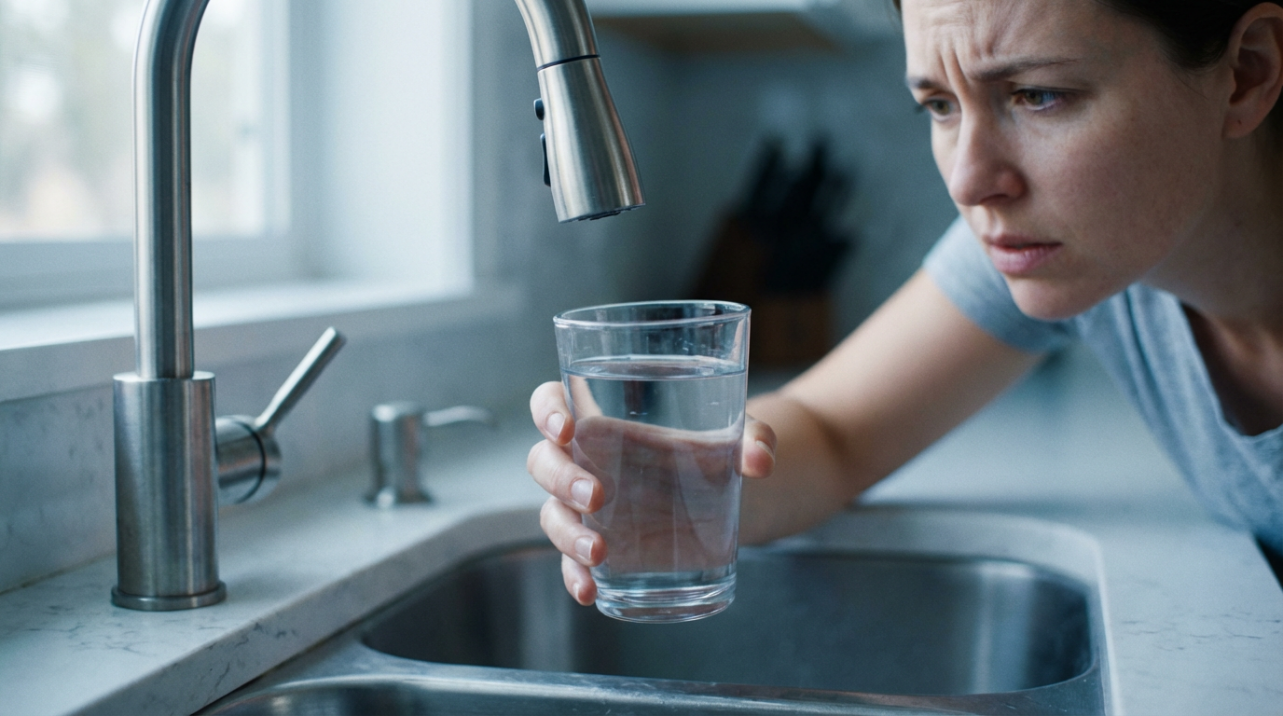
Reverse osmosis systems are sold on a simple promise: clear, clean, better‑tasting water right at your sink. So when that first glass of “purified” water tastes like a garden hose, plastic wrap, or a new pool toy, it feels like the system has failed you.
As a smart hydration specialist, I see this situation all the time. Homeowners invest in a new RO system, then immediately worry that the plastic taste means the water is unsafe or the equipment is defective. In reality, a plastic or chemical taste is usually a symptom with a clear cause, not a mystery. The key is knowing when it is a normal break‑in effect and when it is a sign of a deeper problem in your plumbing, filters, or tank.
This article walks through what that plastic taste actually is, why RO water tends to reveal it so clearly, the main causes backed by manufacturer and lab guidance, and specific steps you can take to fix it and protect your long‑term water wellness.
What “Plastic Taste” in RO Water Really Is
When people describe plastic‑tasting RO water, they often use the same words: hose‑like, vinyl, chemical, new‑car, or rubbery. The Tap Score taste guide notes that plastic or vinyl flavors in tap water usually come from compounds leaching out of plastic plumbing such as PEX, PVC, CPVC, or HDPE. Researchers have identified more than one hundred such pipe‑associated compounds, many of them organic chemicals that can influence taste and smell.
Manufacturers of portable filters see the same pattern. LifeStraw, for example, explains that a new straw, bottle, or dispenser may have a plastic‑like or chemical taste at first use because of harmless manufacturing residues and off‑gassing from materials like thermoplastic polyurethane. They emphasize that the plastics themselves are food‑grade and designed to be safe, but any remaining residues on new parts will alter taste until they are flushed away.
From a chemistry standpoint, that plastic taste usually comes from small organic molecules such as residual monomers, plasticizers, or other volatile organic compounds (VOCs) that migrate into the water. They are present in very small concentrations, but your sense of taste is extremely sensitive to these kinds of compounds.
Two things make the taste especially obvious in RO water:
First, reverse osmosis removes the “background noise” in your water. Research from Nebraska Extension describes how household RO systems typically strip out total dissolved solids, many metals, and a wide range of other dissolved ions. When the usual mix of minerals, metals, and chlorine disappears, even a trace of plastic‑like compounds stands out.
Second, RO water tends to taste softer or flatter because it is low in minerals. Waterdrop and Viomi both point out that by removing calcium, magnesium, and other dissolved salts, RO systems create a very neutral, almost blank flavor profile. That neutral base is great for coffee or tea, but it gives plastic flavors nowhere to hide.
So if your new RO system water tastes like plastic, it is almost always a combination of two factors: small amounts of plastic‑related compounds plus ultra‑clean, low‑mineral water that makes them easy to detect.

How Reverse Osmosis Systems Work (And Why They Reveal Taste Issues)
Understanding the basic layout of an RO system helps you track down where that taste is coming from.
Guidance from Nebraska Extension explains that a typical under‑sink RO unit is a point‑of‑use system with several key stages. Source water first passes through sediment and activated carbon pre‑filters. These protect the RO membrane by removing particles, chlorine, and many organic chemicals. The water then moves through the semi‑permeable membrane, which rejects a large fraction of dissolved salts, metals, and other contaminants. Because RO membranes work best at lower recovery rates, many residential systems are designed for about twenty to thirty percent recovery. That means for every roughly 100 gallons of water entering the unit in a day, only 20 to 30 gallons are purified and 70 to 80 gallons carry rejected contaminants to the drain.
Treated water is stored in a small pressurized tank—often about 2 to 5 gallons—and finally passes through an activated carbon “polishing” filter before it reaches your dedicated drinking faucet.
Each of those components has plastic surfaces: housings, tubing, the tank shell, the bladder inside the tank, and even some filter end caps. Any of them can contribute to a plastic taste if they are new, poorly flushed, low quality, or exposed to heat.
Because the RO membrane and pre‑filters remove so much else, what remains is mostly pure water plus whatever leaches from these parts.

As Waterdrop notes, many people experience RO water as very clean but a bit bland. When a plastic or chemical note overlays that blandness, you notice it immediately.
Main Causes of Plastic Taste in RO Water
The plastic taste in RO water almost never has a single cause. Instead, it is usually one of several overlapping issues affecting new plastics, flushing, tanks, plumbing, or filters. The following causes are the most common ones documented across manufacturer guidance and water‑quality publications.
New Plastics and Manufacturing Residues
New filters, tanks, and tubing need a break‑in period. LifeStraw warns that new filters may have plastic or chemical taste at first due to harmless residues on plastic components and off‑gassing of VOCs from recently manufactured parts. SimPure, writing specifically about new RO systems, echoes this and explains that residual carbon dust and factory preservatives can give water a dirty, plastic, or rubbery taste if the system is not flushed properly.
Whirlpool’s refrigerator guidance shows the same pattern in a different context. When new PVC plumbing or a new refrigerator water line is installed, the first batches of water and ice can have discolored or off flavors, sometimes described as plastic‑like. Their recommendation is simple: discard the first batches of ice and flush additional water through the dispenser until the taste disappears.
In other words, if your RO unit is brand new, a light plastic or chemical note is usually a start‑up effect from new plastics and filter media rather than a sign of toxic contamination.

As a practical example, imagine a standard under‑sink RO unit with a 3 gallon storage tank. SimPure recommends flushing at least 3 to 5 gallons through a new system, and Whirlpool notes that some filters need 1 to 4 gallons for a proper flush. For that 3 gallon tank, you might fill and completely drain the tank two times, which moves about 6 gallons through the plastics and filters. That process alone often cuts the plastic taste dramatically.
Incomplete Flushing and Break‑In
The strongest plastic or chemical tastes usually come when that initial flushing step is skipped or rushed.
LifeStraw notes that if the initial flush is missed, fine particles and residual materials remain in the filter and worsen plastic or chemical taste during the first uses. SimPure emphasizes that incomplete system flushing leaves loose carbon, factory residues, and preservatives inside the system; their guidance is to run at least 3 to 5 gallons and perform several full fill‑and‑drain cycles before you rely on the water for drinking.
Whirlpool adds that refrigerator water filters also need to be flushed every time they are changed, sometimes with as much as 1 to 4 gallons depending on the specific filter. Flushing removes excess carbon fines and trapped air that can cloud the water and subtly affect taste.
This break‑in period is not just about volume. SimPure notes that new filters generally stabilize over the first 3 to 7 days of regular use. For that first week, they advise discarding the first few gallons out of each new filter and continuing to flush until taste normalizes.
If your RO water tastes distinctly like plastic or chemicals and the system is new or has new cartridges, ask yourself how thoroughly it was flushed. In many homes I visit, simply doing the break‑in flush correctly—several full tank cycles over a few days—solves the problem.
Storage Tanks, Bladders, and Low Use
RO storage tanks are a common, and often overlooked, source of plastic or rubbery taste. These tanks use an internal rubber bladder to maintain pressure. SimPure notes that these bladders can impart rubbery or stale flavors, especially if they were not sanitized before being put into service or if water sits too long in the tank.
Lack of use increases the problem. Both RO service guidance and MyWaterScience’s discussion of strange tastes point out that when water sits in the tank or tubing, especially in warmer months, tastes intensify and bacteria may begin to grow. That can layer a musty or earthy note on top of the plastic taste.
Manufacturers like SimPure recommend sanitizing the storage tank when new and periodically afterward. One suggested approach for new or problem tanks is to use a mild bleach solution—about one teaspoon of unscented bleach per gallon of water—hold it in the tank for around 30 minutes, and then flush thoroughly until the bleach smell disappears. For smaller membrane filters, LifeStraw suggests optional flushing with a vinegar and water mixture, followed by a thorough rinse and backwash.
The important point is that the tank itself is a plastic component with a rubber interior. If your RO system is several years old, you have never sanitized the tank, and your water tastes rubbery after it sits, that tank deserves attention.
Plastic Plumbing Upstream of the RO System
Sometimes the RO system is not the source of the plastic flavor at all. The taste may be arriving at the system already present in the supply water.
Tap Score notes that a plastic taste in tap water typically comes from plastic plumbing materials such as PEX, PVC, CPVC, or HDPE pipes and fittings. They emphasize that while many of these materials are certified under NSF/ANSI standards to limit certain leachates, the long‑term health impacts of the wide range of pipe‑associated compounds are not yet fully understood. They specifically mention that more than one hundred compounds have been identified, and their behavior depends in part on the type of disinfectant (chlorine versus chloramine) used by the utility.
NuvoH2O adds that plastic‑tasting household water is a warning sign that something is wrong in the water supply path, often due to contaminants leaching from plastic pipes, fixtures, or storage containers. They point out that high mineral content (hard water) and heat exposure can both amplify plastic‑related flavors.
Whirlpool’s refrigerator guide again confirms that new plastic plumbing connections, especially PVC, can cause discolored or off‑flavored water and ice until they are fully flushed.
When RO is installed under the sink, it is fed by whatever plumbing reaches that location. If that line is new or made of problem materials, some plastic‑related compounds can enter the RO system. The membrane and carbon stages will remove many of them, but not all small organic molecules are fully rejected, especially if the carbon stage is undersized or exhausted. That is why Tap Score suggests addressing plastic tastes first at the plumbing level with thorough flushing and, if needed, inspection or replacement of suspect piping.
Heat, Hard Water, and Storage Conditions
Heat accelerates chemical reactions, including the migration of plastic‑associated compounds into water. LifeStraw notes that storage in hot or humid conditions—such as a warehouse, garage, or delivery truck—and allowing water to sit inside thermoplastic components when warm can intensify plastic odors and flavors. NuvoH2O similarly points out that heat exposure in hot environments or hot plumbing lines increases the amount of plastic‑related chemicals that migrate into water.
Hard water can make things worse. NuvoH2O notes that higher levels of dissolved minerals interact with plastic materials in pipes or containers and can make plastic‑like tastes more pronounced. In practical terms, if your home has relatively hard water and long plastic pipe runs near hot spaces (think sun‑baked garage walls), your RO system is starting with water that is already carrying a higher load of plastic‑associated molecules.
In such cases, a salt‑free softener or other scale‑control system ahead of the RO can help protect plumbing and reduce some of the interactions that emphasize plastic taste. NuvoH2O promotes salt‑free approaches as a way to improve both taste and feel of hard water without adding sodium.
Low‑Quality or Aging Components
Filter quality matters. SimPure cautions that low‑quality or uncertified filters can fail to remove contaminants and may themselves leach chemicals or off‑flavors into the water. By contrast, the University of Kentucky Cooperative Extension recommends choosing devices certified by organizations such as NSF or the Water Quality Association and paying attention to contact time, carbon type, and rated capacity.
Over time, plastic housings, tubing, and tank bladders can degrade and release more compounds into the water. Nebraska Extension also notes that RO‑treated water is often more corrosive, which is why they recommend corrosion‑resistant plumbing for RO installations. The combination of aggressive low‑mineral water and aging plastics can slowly increase plastic or chemical tastes if components are not replaced at appropriate intervals.
Is Plastic‑Tasting RO Water Safe?
Safety is the first question most families ask, and the honest answer is nuanced.
Manufacturers of portable products like LifeStraw are clear that the plastic or chemical taste from new filters is common, generally harmless, and temporary, especially in products that do not include a carbon stage to improve taste. The materials are food‑grade and tested to ensure that any leachate remains below established safety thresholds.
At the same time, Tap Score stresses that while plastic‑tasting tap water often reflects aesthetic issues, the long‑term health impacts of many plastic‑related compounds in plumbing are not fully known. Their research highlights the sheer number of pipe‑associated compounds and the fact that their behavior changes with disinfectant chemistry and water conditions.
NuvoH2O takes a precautionary stance by framing plastic taste as a warning sign that should not be ignored. In their view, identifying and addressing the root cause is important both for health protection and for peace of mind.
There are also limits to what RO can do. Nebraska Extension and the University of Kentucky both explain that reverse osmosis membranes are very effective for dissolved salts and many metals, while activated carbon excels at adsorbing chlorine and a wide range of organic chemicals, including many VOC‑related tastes and odors. However, neither technology removes every possible contaminant, and performance depends on contact time, carbon type, and maintenance.
In practical terms, here is how to think about safety:
If the RO system is brand new, the plastic taste is mild, and you can clearly link it to new parts and incomplete flushing, the issue is likely aesthetic and will usually fade with proper break‑in and use.
If the plastic taste is strong, persistent after correct flushing and several weeks of regular use, or accompanied by other red flags such as visible particles, discoloration, slimy residues, or strong chemical odors, it is time to treat it as a potential contamination issue and investigate more deeply. Tap Score recommends targeted testing when plastic tastes are linked to plumbing, and RO service centers encourage stopping use and troubleshooting if taste changes suddenly or dramatically.
When in doubt, you can always fall back on a simple rule: if your senses tell you the water tastes aggressively chemical or wrong, do not force yourself to drink it until you understand why.

Practical Steps to Get Rid of Plastic Taste from Your RO System
Once you understand the likely sources, you can tackle the plastic taste systematically. The goal is to clear residues, condition the filter media, and rule out more serious problems.
Deep Flush and Break‑In
Start with a thorough break‑in flush. SimPure recommends running at least 3 to 5 gallons of water through a new RO system and doing two to three full fill‑and‑drain cycles on tank systems. Whirlpool advises 1 to 4 gallons of flushing after replacing a refrigerator water filter. These recommendations are strikingly consistent across brands: new carbon and plastic parts need time and flow to stabilize.
For a typical under‑sink RO unit rated to produce about 20 gallons per day at roughly 20 percent recovery, flushing 5 gallons of product water in one day would push about 25 gallons through the system. That is well within normal operating limits, but it can dramatically reduce plastic and carbon flavors.
During this break‑in period, discard the water produced during flushing and avoid storing it in bottles or pitchers. You are conditioning the system, not stocking your fridge yet.
Keep Water Moving
Several sources, including MyWaterScience and AppliancePartsPros, note that stagnation in the storage tank or tubing leads to musty or strange tastes. Once you have flushed the system thoroughly, keep using it regularly so fresh water is always cycling through the tank.
If you are away from home for a week or more, plan to drain and refill at least one full tank before drinking the water again. This simple habit helps prevent both stale flavors and bacterial buildup.
Sanitize Tanks and Plastic Parts as Needed
If the plastic or rubbery taste is coming from the storage tank, or if you notice slime, mold, or odd smells during inspection, sanitation is a smart next step.
SimPure suggests sanitizing new or suspect tanks with a diluted bleach solution of roughly one teaspoon of unscented bleach per gallon of water, holding it for around thirty minutes, and then flushing thoroughly until all bleach taste and odor are gone. LifeStraw offers an alternative for their membrane products: flushing with a mixture of one part white vinegar to four parts water, then rinsing and backwashing completely.
For loose plastic parts that do not contain membrane or carbon media—like bottle bodies or some housings—LifeStraw recommends rinsing with warm water and soaking overnight in water mixed with baking soda or lemon juice, followed by a thorough rinse.
Always follow your specific manufacturer’s instructions, especially regarding whether bleach or vinegar should ever contact the RO membrane. Nebraska Extension notes that thin film composite membranes are sensitive to oxidants like chlorine, which is why an activated carbon pre‑filter is typically used to protect them.
Address Upstream Plumbing and Water Source
If you taste plastic at other taps in your home, the RO system is probably amplifying a problem that starts in your plumbing.
Tap Score advises flushing new plastic pipes according to manufacturer instructions and, if plastic taste persists, testing for plastic leachates and considering additional treatment such as activated carbon. NuvoH2O suggests that a whole‑home filtration system combined with a salt‑free softener can reduce the load of contaminants and improve both taste and feel of water across the house.
Whirlpool specifically warns against feeding refrigerator ice makers from softened water because softener salt can both damage components and introduce salty or chemical tastes. If your RO system is fed from softened water and you notice both plastic and salty notes, it may be time to revisit that configuration.
Maintain Filters and Membrane on Schedule
Many taste problems that homeowners call “plastic” are actually a mix of plastic notes and other off‑flavors from exhausted filters or membranes.
Axeon’s troubleshooting guidance emphasizes regular pre‑ and post‑filter replacement, membrane inspection, and annual cleaning or disinfection as critical to maintaining water quality. Ro service centers and AppliancePartsPros add that sediment and carbon pre‑filters typically need replacement every 6 to 12 months, while RO membranes usually last about 2 to 3 years depending on source water quality and usage. Post‑carbon “polishing” filters are often changed once a year.
When carbon filters are exhausted, they can stop removing chlorine and organic compounds effectively, letting more taste‑active chemicals pass through. In that case, what you interpret as “plastic” may be a cocktail of chlorine, organics, and plastic‑related compounds. Fresh, certified carbon media makes a large difference.
Choosing filters certified under relevant NSF/ANSI standards and sized properly for your flow rate and contact time—as the University of Kentucky recommends for activated carbon devices—gives you more predictable and reliable performance.
Optimize for Great Taste, Not Just “No Plastic”
Once you have addressed the root causes of plastic taste, you can fine‑tune flavor so your RO water is something you genuinely want to drink all day.
Waterdrop and Viomi explain that RO water often tastes flat because it lacks minerals. To improve both taste and mouthfeel, they recommend remineralization filters that add back small amounts of calcium, magnesium, and other minerals. SimPure suggests either built‑in alkaline cartridges or mineral/electrolyte drops as options, all of which help restore a more natural, crisp taste.
SimPure and Viomi also describe practical taste‑enhancement strategies such as chilling water in the refrigerator, storing it in glass or ceramic rather than plastic containers, using a post‑carbon polishing filter, or even lightly carbonating RO water for a fresher texture.
Importantly, Viomi notes that people tend to drink about twenty to thirty percent more water when it tastes good. That higher intake supports better hydration, more stable energy, and healthier beverage choices overall. From a hydration‑wellness perspective, resolving plastic taste and optimizing flavor is not a cosmetic tweak; it is a behavior change trigger that genuinely supports better health.
Quick Comparison: RO vs Carbon‑Only for Plastic Taste
A common decision point is whether a good activated carbon filter alone is enough to fix plastic taste, or whether you need RO plus carbon. The following table summarizes their roles based on guidance from Nebraska Extension, the University of Kentucky, Tap Score, and Viomi.
Aspect |
Activated Carbon Filter Only |
RO System with Carbon Stages |
Main function |
Adsorbs chlorine and many organic chemicals that affect taste and odor |
Removes dissolved salts and many metals; carbon stages handle chlorine and organics |
Effect on plastic‑type taste |
Often reduces VOC‑related plastic smells and tastes significantly |
Also reduces many plastic‑related organics; ultra‑clean water makes any remaining taste more noticeable |
Effect on minerals |
Leaves hardness and most dissolved minerals in place |
Strips most minerals, leading to softer or flatter taste |
Ideal use case |
Chlorine taste or mild plastic odors from plumbing |
Multiple taste issues plus TDS, metals, or serious quality concerns |
Maintenance focus |
Replace cartridges on schedule; ensure enough contact time |
Replace pre‑filters and membrane regularly; sanitize tank and lines |
For mild plastic tastes in otherwise acceptable tap water, Tap Score notes that a well‑designed carbon filter may be sufficient. When off‑flavors combine with high TDS, metals, or other contaminants, Viomi recommends RO as the more comprehensive long‑term solution.
When to Call a Professional or Test Your Water
There is a point where DIY flushing and filter changes should give way to professional diagnosis.
MyWaterScience suggests calling an RO professional when you have already replaced filters, checked for leaks, and verified pressure, yet strange tastes persist. They also flag slime, mold, or strong odors as reasons to seek expert help. AppliancePartsPros and roservice.center echo that advice: if taste changes are sudden, extreme, or coupled with cloudy, discolored, or slimy water, stop drinking it, shut off the system, and arrange for inspection and sanitization.
Tap Score advises targeted testing when plastic tastes appear alongside new plumbing or unexplained water‑quality changes. Testing for plastic‑related leachates, VOCs, or other specific contaminants can tell you whether the problem is mostly aesthetic or something that warrants plumbing changes or more advanced treatment.
As a hydration‑focused homeowner, that is the point where you are no longer just troubleshooting flavor—you are managing your household water as a health resource. It is worth taking seriously.
Short FAQ
How long should a plastic taste from a new RO system last?
Manufacturers such as SimPure and Whirlpool indicate that most start‑up tastes fade after proper flushing and a short break‑in period. Flushing 3 to 5 gallons and performing a few full tank fill‑and‑drain cycles, followed by several days of regular use, is often enough to make a noticeable difference. If a strong plastic taste remains after you have followed those steps and used the system for a couple of weeks, it is time to look at the storage tank, upstream plumbing, or component quality.
Can I drink RO water that has a mild plastic smell?
LifeStraw explains that a light plastic or chemical note from new, food‑grade plastics and unflushed filters is common and generally harmless, especially when it fades with use. However, Tap Score and NuvoH2O both stress that persistent or strong plastic taste should not be ignored, because it can signal ongoing leaching from plumbing or components. If the taste is faint, clearly improving over time, and not accompanied by other problems, most manufacturers consider the water acceptable after flushing. If it is strong, getting worse, or combined with other unusual odors or cloudiness, avoid drinking it until you understand and fix the cause.
Will a remineralization filter remove plastic taste?
Remineralization cartridges primarily add minerals such as calcium and magnesium back into RO water to improve taste and mouthfeel. Viomi and Waterdrop describe them as a way to make RO water taste less flat, not as the main tool for removing plastic or chemical notes. Plastic‑related tastes are best addressed with proper flushing, high‑quality activated carbon stages, plumbing fixes where needed, and tank sanitation. Once those are in place, remineralization can help the water taste more natural and enjoyable, but it should not be your only strategy for dealing with plastic flavor.
Clean, great‑tasting water is one of the simplest daily health upgrades you can give yourself. If your RO system is producing plastic‑tasting water, treat it as an invitation to tune your system, not a reason to give up on filtered water. With the right mix of flushing, maintenance, and component choices—all grounded in the science and best practices outlined here—you can turn that first disappointing glass into the kind of crisp, neutral water that actually makes you want to drink more every day.
References
- https://cdr.lib.unc.edu/downloads/5m60qr99v
- https://www.isws.illinois.edu/pubdoc/C/ISWSC-127.pdf
- https://cse.umn.edu/college/feature-stories/finding-ways-make-your-water-taste-better
- https://fieldreport.caes.uga.edu/publications/B1523/mechanical-filtration-methods-and-devices/
- https://publications.mgcafe.uky.edu/sites/publications.ca.uky.edu/files/ip6.htm
- https://digitalcollections.dordt.edu/context/faculty_work/article/2226/viewcontent/Yang2020_Article_CeramicWaterFilterForPoint_of_.pdf
- https://scholarworks.indianapolis.iu.edu/server/api/core/bitstreams/97f7c5d5-4c65-42f5-9100-c067c0641825/content
- https://extensionpublications.unl.edu/assets/html/g1490/build/g1490.htm
- https://www.wpi.edu/sites/default/files/inline-image/Academic-Resources/STEM-Education-Center/Water%20Filtration%20Background.pdf
- https://www.mywaterscience.com/strange-tastes-from-your-ro-system-in-salt-lake

Share:
Understanding Continuous Wastewater Discharge in RO Systems
Should People with Gastroesophageal Reflux Drink Alkaline Water?